Easy Chicken Francese Recipes You Can Make at Home
Table of Contents
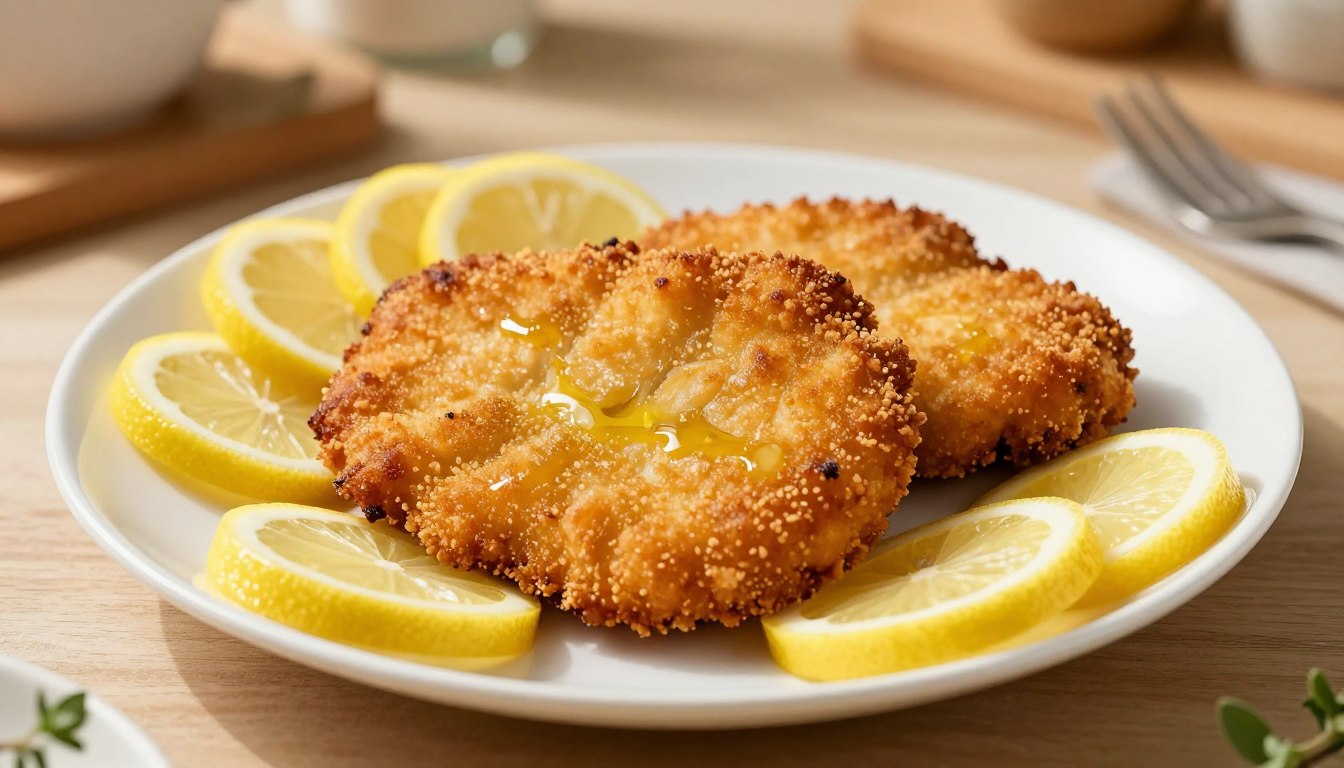
Picture a Tuesday night when you want dinner to taste like a night out. Chicken Francese is pan-fried chicken with a crisp egg coating and a glossy lemon sauce. It is an Italian-American classic that feels fancy but does not take much work.
The coating is the best part, because it soaks up the lemon butter sauce. These recipes are simple enough for a weeknight dinner and nice enough for guests. Most versions serve four and take about 30 to 40 minutes total.
Pick the version that fits your pan, your clock and your pantry. The steps that follow show how each one works.
Key Takeaways
- Chicken Francese is thin chicken coated in flour and egg, then fried and finished in a lemon sauce.
- Most easy versions serve four and take 30 to 40 minutes.
- Prep takes about 10 minutes with one standard skillet.
- The sauce gets its flavor from the browned bits left in the pan.
- Wine and broth can be swapped without losing the lemon flavor.
- Baking and make-ahead options work well for busy weeks.
What Makes a Chicken Francese Recipe Easy
An easy version needs about 10 minutes of prep and one large skillet. Most of the work is cutting the chicken into thin pieces that cook fast. You also need pantry items most cooks already have, such as flour, eggs, lemon, chicken broth and dry white wine.
Chicken francese recipes that are easy to make on a weeknight use short prep, one pan and staples you keep on hand. A common version starts with 1 pound of boneless, skinless chicken breasts, or 2 large breasts. You cut each breast in half horizontally to make four chicken cutlets. The thinner the cutlet, the faster it cooks through.
Frying also leaves fond in the pan. Fond is the browned bits stuck to the pan after frying the chicken, which dissolve into the sauce and give it its savory flavor. Keep those bits in the pan, because they are the start of your sauce.
Pound each cutlet to an even thickness so the whole piece cooks at the same time.
The Ingredients You Need for Chicken Francese
A 4-serving batch needs about 1 pound of chicken and a half cup of flour. Most versions also call for 2 to 3 eggs, a splash of dry white wine, chicken broth and one lemon. The table below lists each item with its typical amount and its job in the dish.
Set up the flour, egg and chicken in order before the pan heats. Each ingredient has one clear job, and mixing up the steps can leave you with a soggy crust.
| Ingredient | Typical amount | What it does |
|---|---|---|
| Chicken breasts | 1 pound, or 2 large breasts | Makes four thin cutlets |
| Flour and eggs | 1/2 cup flour, 2 to 3 large eggs | Form the coating that crisps in the pan |
| Vegetable oil | 1/4 cup | Fries the cutlets to golden brown |
| Dry white wine and chicken broth | 1/2 cup wine, 1 to 2 cups low-sodium broth | Build the base of the sauce |
| Lemon | 1 large, sliced into rounds | Adds bright flavor to the sauce |
Chicken, Flour and Eggs for the Coating
Pat the cutlets dry, then dredge them in flour. Dredge means to coat in flour first, then dip in beaten egg. Two large eggs work for most batches, though some versions use three for a thicker coating.
Wine, Broth and Lemon for the Sauce
Low-sodium chicken broth lets you decide how much salt goes into the sauce. Use 1 to 2 cups, depending on how saucy you want the dish. Sliced lemon goes straight into the pan, so its juice and oils flavor the sauce.
Butter and Oil for Frying
Vegetable oil gives the cutlets a neutral base for frying. Olive oil works in its place if you like its taste. Butter adds richness and goes into the sauce, not the frying pan. Choose a dry white wine you would drink, since the sauce tastes like the wine you cook with.
How to Make Chicken Francese Step by Step
Work in this order: coat the cutlets, fry them, make the sauce in the same pan, then return the chicken. Each step is short, but the timing matters. Each one builds on the browned bits left behind.
- Dredge the cutlets in flour, then dip them in beaten egg.
- Fry the cutlets until lightly browned on both sides.
- Reduce the wine, then build the roux and add the broth.
- Return the chicken and lemon slices to the sauce to warm through.
Check that the chicken reaches 165 degrees Fahrenheit inside before serving. Watch the cook minutes closely, because thin cutlets brown fast in a hot pan.
Coating and Frying the Cutlets
Dredge each cutlet in flour, shake off the extra, then dip it in the egg. Fry the cutlets over medium heat about 3 minutes per side until lightly browned. The first batch shows you how fast your pan heats, so adjust the flame if it browns too quickly.
Reducing the Lemon Pan Sauce
Pour off most of the oil, leaving the fond in the pan. Add the wine and reduce it for 2 to 3 minutes until about half is gone. A roux is cooked butter and flour, and it thickens the sauce, so whisk them into the pan and cook for 1 minute.
To make chicken francese sauce without lumps, pour in half the stock first and whisk across the surface. Add the lemon slices and cook them about 1 minute. Then simmer about 4 minutes until the sauce turns syrupy, like maple syrup.
Returning the Chicken to the Sauce
Slide the cutlets back into the sauce and spoon it over them until warm. Serve the chicken with the lemon slices on top. Keep the heat at medium once the flour goes in, so the roux does not darken.
Chicken Francese Variations and Substitutions
Yes, you can skip the wine and still get a glossy sauce. Replace it with an equal amount of chicken broth, then add 1 teaspoon of white vinegar to bring back the tang. The sauce tastes lighter and sharper than the wine version.
Skip the wine and use 2 to 3 tablespoons of lemon juice instead. Lemon juice gives a cleaner sour note than vinegar does. Add any vinegar in small amounts, because a teaspoon can make a small batch sour fast.
Many chicken francese recipes without wine use the same pan sauce method. Use broth, lemon juice and butter, then reduce until glossy. The result is a simple butter sauce with a bright edge, and a few capers stirred in give it a piccata flavor. The frying oil can stay olive oil, since the wine swap does not change the coating.
Taste the sauce before adding salt, since broth and vinegar both shift the salt level.
Healthy and Lighter Chicken Francese Options
Using 1 tablespoon less oil saves a noticeable amount of fat per serving. Calorie counts vary, from about 385 per serving in a version with 2 large breasts to 553 per serving in a richer one. The lighter choices come down to how much fat and salt you add.
The sauce is the biggest source of fat in the dish. You can make healthy chicken francese recipes by trimming the butter and oil. The chicken breasts themselves add protein without much fat.
Calories and Portions per Serving
One version lists 432 calories per serving for four servings. Calories rise fast when butter and oil pile up in the pan, so measure them instead of pouring. Portion size matters just as much, since a larger piece of chicken adds more calories than the recipe suggests.
Ways to Trim Fat and Sodium
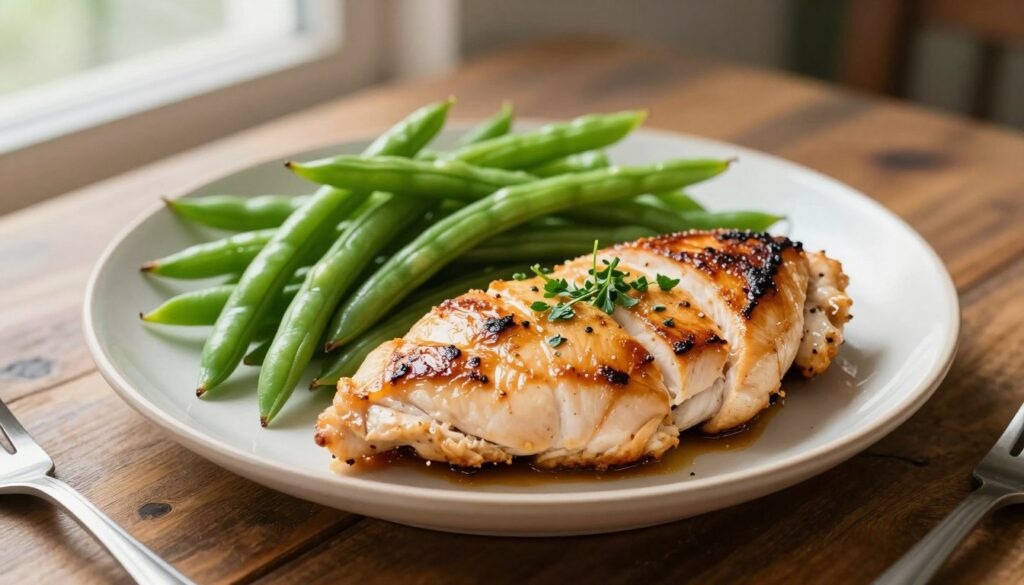
Cut the butter in the sauce and use less oil in the pan. You can save fat without losing the lemon flavor. Using low-sodium chicken broth lowers the salt in the sauce, which helps if you watch sodium. Serve the dish with a vegetable like green beans or broccoli to keep the plate lighter. Weigh one portion once so you know what a serving looks like on your plate.
Baked and Make-Ahead Chicken Francese
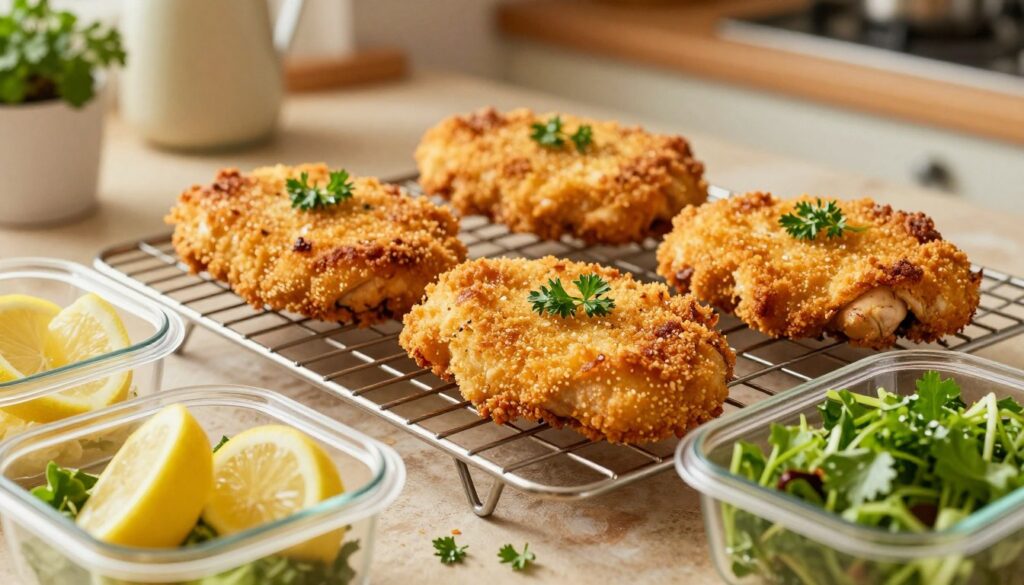
You can bake the dish at 450 degrees Fahrenheit for about 10 minutes per side. A hotter oven gives a crisper coating than a cooler one. Many baked chicken francese recipes skip the frying pan entirely.
Reheat the chicken and the sauce separately. The coating softens in storage, so keep the sauce away from the crust until serving time.
Baking Chicken Francese in the Oven
Dredge and dip the cutlets as usual, then lay them on a baking sheet. Bake until the coating turns golden. A 400-degree oven takes 20 to 25 minutes, but the coating will be less crisp than at 450 degrees. Make the sauce on the stove, because the fond only forms in a hot pan.
Storing, Freezing and Reheating Leftovers
Leftovers keep well if you cool them quickly and seal them tight. Use an airtight container for the fridge and the freezer. The table below shows how long each step takes and how to handle the food.
| Task | Time | Container and method |
|---|---|---|
| Refrigerator storage | 3 to 4 days | Airtight container in the refrigerator |
| Freezer storage | Up to 3 months | Airtight container in the freezer |
| Reheating | 10 to 12 minutes | Covered with foil in a 300-degree Fahrenheit oven |
Label the container with the date so you know when the 3-month freezer window ends.
Serving Ideas and Common Mistakes
Most chicken francese recipes pair well with a starch that can soak up the sauce. Rice, mashed potatoes, pasta, crusty bread and asparagus all work well with the dish. Each one keeps the extra lemon sauce from going to waste.
A watery sauce usually means the wine was not reduced enough. Let the sauce simmer a little longer before you add the chicken back in.
Side Dishes That Soak Up the Sauce
A plate of rice under the cutlets catches the extra sauce and makes the meal feel complete. Mashed potatoes do the same job with a softer texture. Crusty bread helps you wipe the plate, and asparagus adds a green side that cuts the richness.
Mistakes That Make the Sauce Watery or Bitter
Most problems come from a few small errors. Watch for these four mistakes:
- Skipping the wipe-out, so extra oil leaves the sauce greasy.
- Frying the lemon slices too long, which makes them bitter.
- Letting lemon slices sit on the crust, which makes it soggy.
- Over-browning the flour in the roux, which gives the sauce a burnt taste.
Spoon the sauce over the chicken just before serving so the crust stays crisp.
Conclusion
The easiest starting point is a 4-serving version with about 10 minutes of prep. Use one large skillet, keep the lemon slices, and build the lemon butter sauce from the fond in that same pan. One pan keeps cleanup small and the flavor deep.
Cook one batch this week, then adjust the wine and lemon to your taste. Your second batch will go faster, and you will know how your skillet heats.
FAQ
Can I make chicken francese without wine?
How long does chicken francese last in the fridge?
Can you freeze chicken francese?
What is the internal temperature for chicken francese?
Can you bake chicken francese instead of frying it?
Looking for dinner inspiration? Check out all our chicken recipes here
What Did You Think? Rate This Recipe
Absolutely Tender and Packed with Flavor!
I followed this guide step by step and the beef shank came out amazingly tender and full of flavor. The tips on maintaining moisture made all the difference. Highly recommended for anyone trying this cut for the first time!