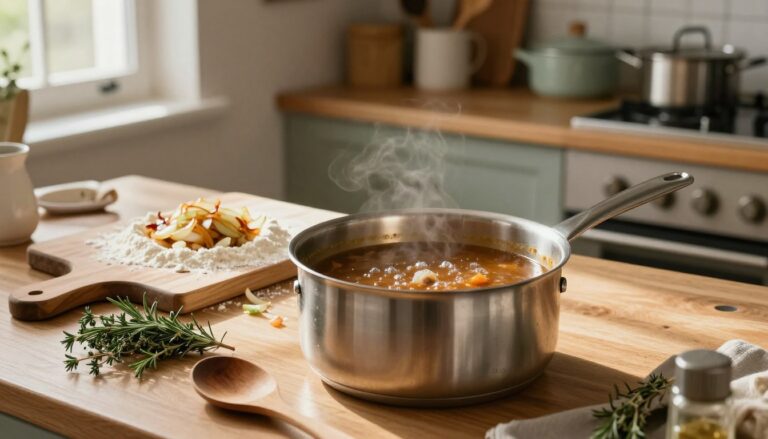
Making Beef Gravy: Easy Tips for Rich, Flavorful Gravy
Table of Contents
Your roast dinner is nearly ready, but making beef gravy feels uncertain when the pan holds few drippings. You want a savory sauce that brings the meat, potatoes, and vegetables together, not a thin pool that tastes like plain broth. A good gravy can still come together with a saucepan and a few basic ingredients.
You can build its flavor with pan drippings or beef stock, then choose a thickener that suits your time and taste. A roux is a mixture of fat and flour cooked together and used to thicken a sauce or gravy. Cooking at home gives you control over its flavor and texture, even when you are working with a small amount of roasting liquid.
Start with the flavor base before choosing how to thicken it. First decide whether to use what remains in the roasting pan or begin with beef stock.
Making Beef Gravy From Pan Drippings or Beef Stock
Pan drippings add roasted flavor, but they are not essential for a savory gravy. Strained drippings give you a direct link to the roast, while beef stock works when the roast pan is empty or its drippings taste too dark. Either base can make good gravy when you taste it before serving.
Start with strained pan drippings
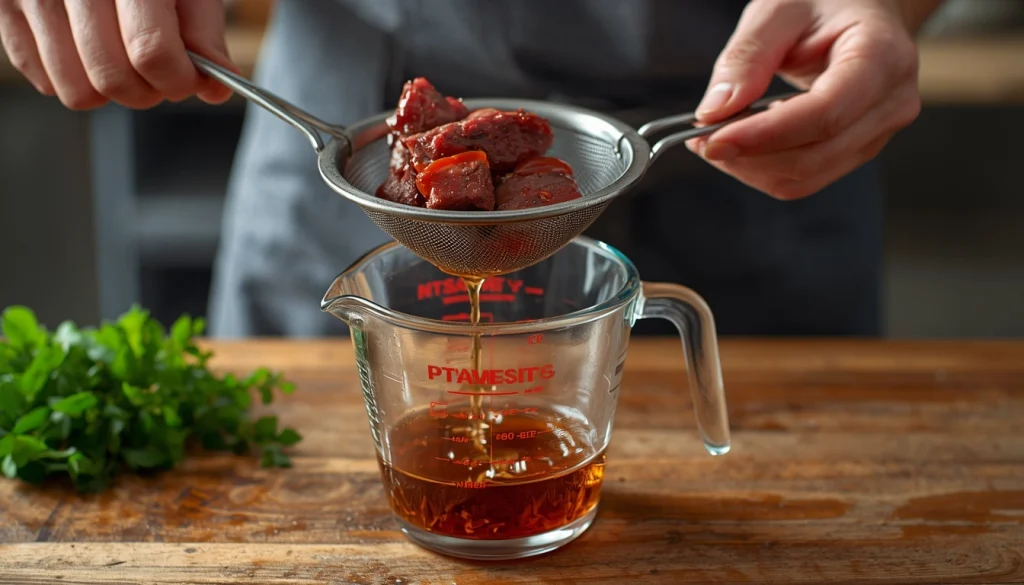
Pour the pan drippings through a fine-mesh strainer into a heat-safe cup or bowl. This catches scraps of meat and browned bits, leaving a smoother liquid for your gravy. Scrape browned bits from the roast pan into the strainer if they look dark brown and smell toasted.
Leave scorched bits behind because they can make the finished gravy bitter. Let the drippings settle, then spoon off excess fat from the surface. Keep some fat if you plan to use it for a roux, and measure the remaining liquid so you know how much base you have.
Build flavor with beef stock
If you have no drippings, pour beef stock into a saucepan and use it as your flavor base. Choose a low-sodium stock when possible, especially if the roast was seasoned well or the stock already tastes salty. You can add a small amount of meat juices from a carving board, but skip juices mixed with food scraps.
For a deeper taste, warm the stock and stir in a spoonful of strained drippings, if you saved any. Stock varies in strength, so taste it before adding salt later. Keep extra stock nearby; you may want it to adjust the finished gravy.
Set up your ingredients and tools
Gather the gravy ingredients before heating anything. Measuring the liquid and setting out your tools helps you work smoothly once the fat and flour start cooking.
- A saucepan large enough to hold the liquid without splashing
- A whisk to blend the fat, flour, and liquid
- Measuring spoons for small, controlled amounts
- A fine-mesh strainer for filtering drippings or finished gravy
Keep the stock within reach, along with a heat-safe cup for drippings. A whisk helps you work steadily, while the strainer catches small bits if you want an extra-smooth finish. Either base needs a thickener, so your next choice is how to build a smooth texture.
Which Thickener Makes the Smoothest Beef Gravy?
Choose a roux when you want deeper flavor, or a cornstarch slurry when speed matters. Both can make lump-free gravy, but they thicken in different ways. Never add dry flour or cornstarch straight to hot liquid, where it can clump.
Cook flour into a roux
A roux gives gravy a rich taste and lets you build thickness gradually. For two cups of beef stock, start with two tablespoons of fat and two tablespoons of flour. Use reserved drippings fat, butter, or a mix, and measure each amount before you begin.
Warm the fat in a saucepan over medium heat, then whisk in the flour until no dry patches remain. Cook the mixture for a few minutes, whisking often, until it smells lightly toasted. Keep it moving so the flour colors evenly without burning.
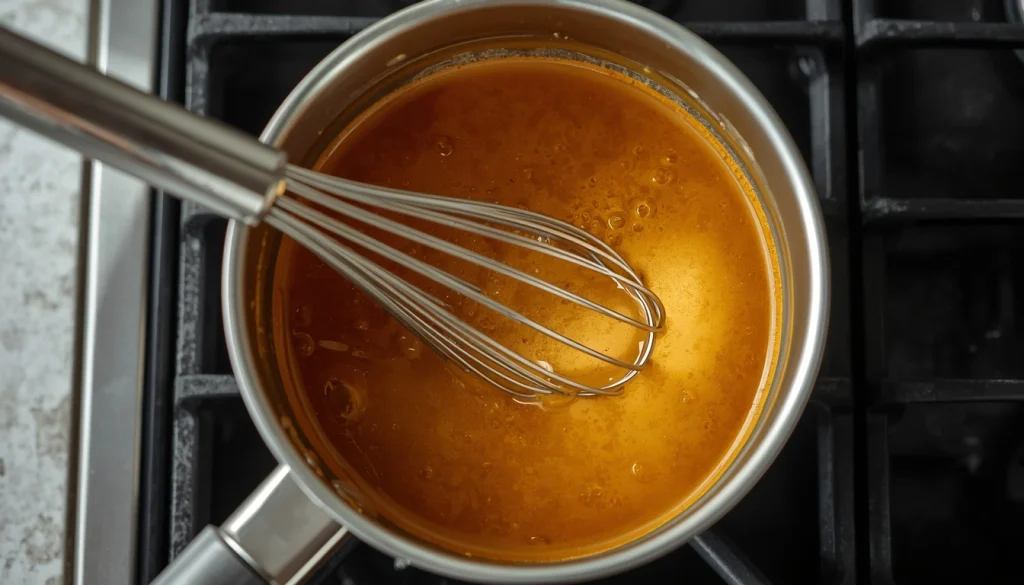
Pour in a little stock while whisking, then add more in small pours as the mixture loosens. Whisk each addition smooth before adding the next. Once all the stock is in, bring the gravy to a gentle simmer and stir as it thickens.
A roux thickens as it cooks, so give it time before deciding it needs more flour. If you add too much at once, the gravy can turn heavy. Start with the stated ratio, then judge the texture after the liquid simmers.
Whisk in a cornstarch slurry
A cornstarch slurry offers a quicker, lighter finish. Mix one tablespoon of cornstarch with one tablespoon of cold water for each cup of liquid. Stir until the mixture looks even, since the starch settles quickly at the bottom.
Bring the gravy to a simmer, stir the slurry again, then pour in a little at a time while whisking. Wait briefly between additions so you can see how much the gravy thickens. Add only what you need; you may not use the full amount.
The slurry works quickly, but it does not add the same cooked, savory depth as a roux. The best choice depends on the flavor and timing you want. Once the gravy thickens, taste it and make small changes to its final flavor.
How Can You Adjust Gravy Consistency and Seasoning?
Small changes are easier to control than one large correction. Taste the gravy after it thickens, then decide whether its texture or flavor needs attention. Go slowly, since extra liquid or seasoning can quickly shift the result.
Check the salt before adding more, especially if the gravy has reduced. Simmering removes water and concentrates salt, so a gravy that tasted mild earlier may now need no extra seasoning. Use these fixes one at a time:
- Thin gravy: Simmer it longer, or add a little more thickener gradually.
- Thick gravy: Whisk in warm beef stock a small splash at a time.
- Bland gravy: Add salt and pepper in small amounts, tasting after each addition.
- Overly salty gravy: Stir in unsalted stock or a small splash of water.
A gentle simmer can help a thin gravy thicken without changing its flavor much. Stir often and watch the pan, since liquid can reduce faster near the end. If the texture still seems loose, add thickener in small steps rather than pouring in a full extra measure.
Warm stock is a good choice for loosening thick gravy because it adds liquid without cooling the pan as much. Add a spoonful, whisk, and check the result before adding more. Water can also thin it, though it may soften the beef flavor.
For a bland batch, taste after every pinch of salt and turn of pepper. Pan drippings and stock vary in salt, so the amount you need can change from one roast to another. A small splash of water can soften excess salt, but add it sparingly to avoid a thin result.
Once the texture and flavor suit your meal, pour the gravy over dinner and handle any leftovers safely.
How Do You Serve and Store Homemade Beef Gravy?
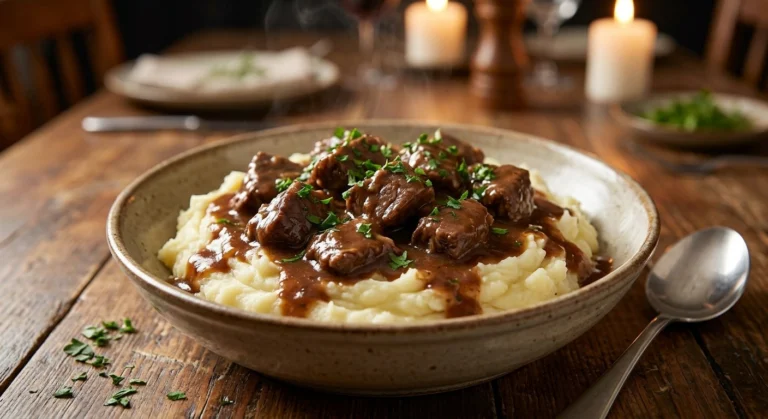
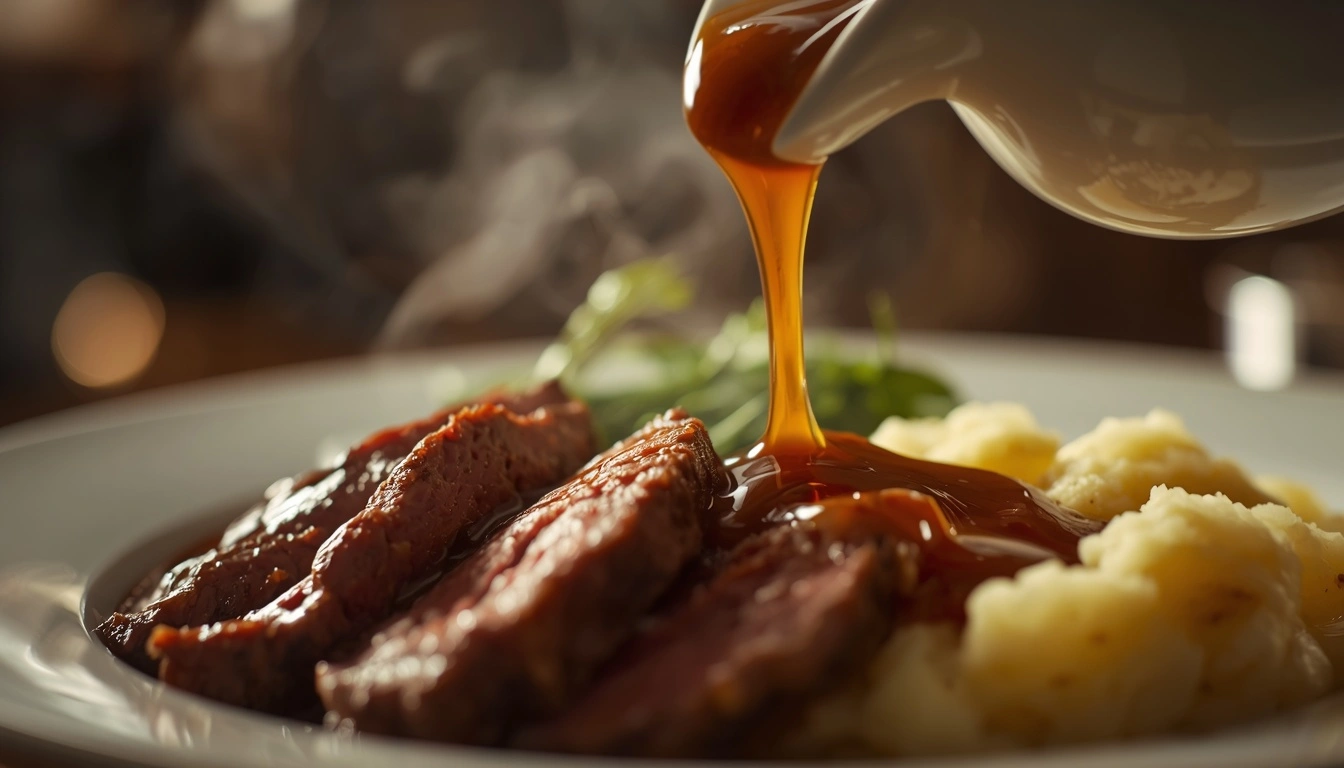
Pour warm gravy over sliced roast beef leftovers and mashed potatoes for a quick, filling meal. It also works on an open-faced sandwich, where the bread can soak up the sauce. Serve it warm, and keep extra gravy ready for the table.
Serve it with roast beef leftovers
Slice leftover roast beef across the grain, then spoon gravy over the meat and potatoes. The sauce adds moisture to beef that may have dried while chilling. For an open-faced sandwich, place beef on bread and add enough gravy to coat it without soaking the bread completely.
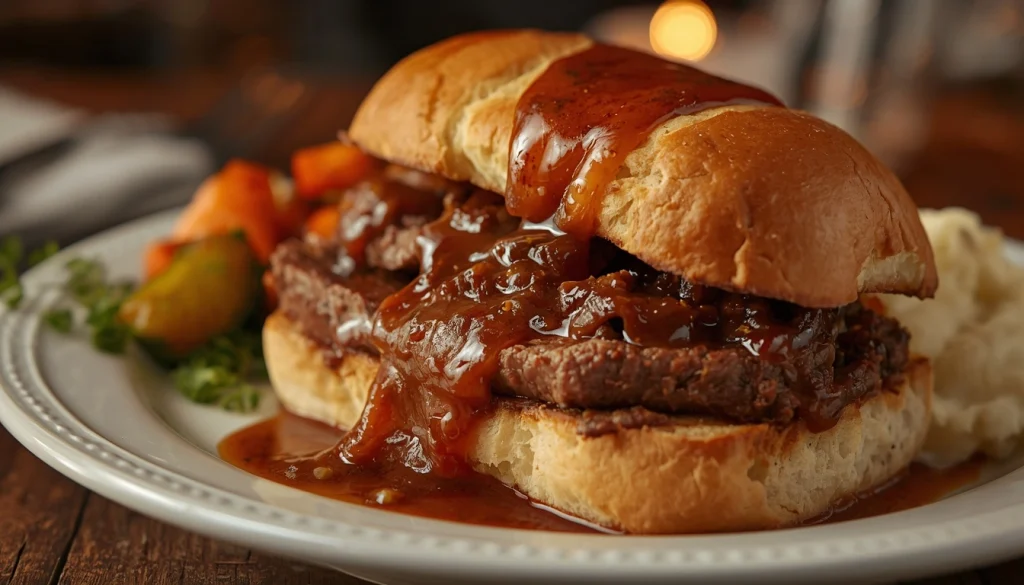
Use a small pitcher or gravy boat if people want different amounts. Stir the gravy before serving so the texture stays even, especially if it has been held warm. Put only the amount you expect to use on the table and keep the rest covered.
Gravy thickens as it cools, so the texture in the pan may be looser than it looks at the table. Keep a little warm stock nearby if you need to loosen it before serving. Stir it in a small splash at a time.
Cool, store, and reheat safely
Refrigerate gravy within two hours of cooking. If you have a large batch, divide it among shallow containers so it cools more quickly. Cover the containers and place them in the refrigerator once the gravy has cooled enough to handle.
Refrigerated gravy generally keeps for three to four days. Mark the container with the day you made it, so you can track how long it has been stored. Keep it cold between meals, and avoid leaving it on the counter for long stretches.
Reheat only the amount you plan to serve, stirring it as it warms. Bring the gravy to 165°F before serving, and use a food thermometer to check the temperature. If the cold gravy has thickened, whisk in a little stock while reheating.
Warm gravy gently and stir often to help it heat evenly without sticking to the pan. If you have more than one serving to reheat, warm it in a saucepan instead of a crowded cup. Chill unused gravy promptly, and reheat only what you plan to serve.
Conclusion
Good gravy starts with a flavorful base and patient adjustments. Use the drippings or stock you have, then change thickness and seasoning a little at a time. That steady approach helps you keep the meat flavor clear and avoid a sauce that tastes too salty or feels too heavy.
Your next roast gives you an easy chance to prepare for another meal. Save strained drippings in a covered container, or keep beef stock on hand for a gravy base. Either choice gives you a useful starting point when dinner needs a warm, savory finish.
FAQ
How much beef gravy should you make per person?
Plan on about 1/4 to 1/3 cup of beef gravy per person. Make more if your meal includes mashed potatoes, open-faced sandwiches, or guests who like extra sauce. For a group, count the servings first, then add a little extra so the gravy boat does not run dry before everyone has eaten.
Can you use beef bouillon instead of beef stock?
Yes, beef bouillon can stand in for beef stock when you dissolve it according to the package directions. Bouillon often has a strong, salty taste, so choose a lower-sodium option when available. Taste the liquid before adding salt to the gravy, and use water as directed rather than making the mixture stronger.
Why does beef gravy turn greasy?
Excess fat that has not blended into the gravy is a common cause of a greasy surface. Skim extra fat from the drippings before cooking, then whisk the fat and thickener together thoroughly. If grease appears after cooking, remove the gravy from heat briefly and skim the surface with a spoon.
Can you make beef gravy with gluten-free flour?
Yes, a gluten-free flour blend can work, though each blend thickens differently. Start with a small amount and let the gravy cook before deciding whether it needs more. A cornstarch slurry is another option, and it avoids wheat flour. Check the blend label if you need to avoid cross-contact with gluten.
How do you keep gravy warm without making it too thick?
Hold gravy over low heat and stir it occasionally to keep the bottom from sticking. Avoid a hard boil, which can reduce the liquid and make the sauce thicker. If the gravy tightens as it sits, whisk in a little warm stock. Keep the pan covered between servings to slow cooling.
What Did You Think? Rate This Recipe
Absolutely Tender and Packed with Flavor!
I followed this guide step by step and the beef shank came out amazingly tender and full of flavor. The tips on maintaining moisture made all the difference. Highly recommended for anyone trying this cut for the first time!