Classic Italian Beef Osso Bucco Recipe for Deep, Savory Flavor
There is something magical about a slow-cooked meal filling your home on a chilly evening. You may remember gathering around a table for a hearty dish that feels like a warm embrace. Bring an authentic Italian experience into your kitchen with this beef osso bucco recipe.
This easy guide helps you master a timeless culinary tradition. Combine tender cuts with fresh vegetables, aromatic herbs, and a splash of wine for the dish’s deep, savory flavor. Learn how to perfectly season and brown each ingredient before braising everything to perfection.
We will guide you through each step, from the first sear to the final presentation. You will also learn how to store and reheat leftovers for a delicious meal later in the week.
Key Takeaways
- Learn the secrets to achieving a rich, complex flavor profile at home.
- Master the essential technique of braising for melt-in-your-mouth tenderness.
- Discover how to select the best vegetables and herbs to enhance your dish.
- Follow a simple, step-by-step process suitable for any skill level.
- Get expert tips on storing and reheating to maintain quality and taste.
What Makes This Beef Osso Bucco Recipe Rich and Traditional
A rich and traditional osso bucco depends on balanced textures and a deep, flavorful braising liquid. High-quality ingredients help each bite deliver an authentic experience. This flavorful dish needs patience and a strong base to achieve its melt-in-your-mouth texture.
Choose Meaty Beef Shanks for Tender, Gelatinous Results
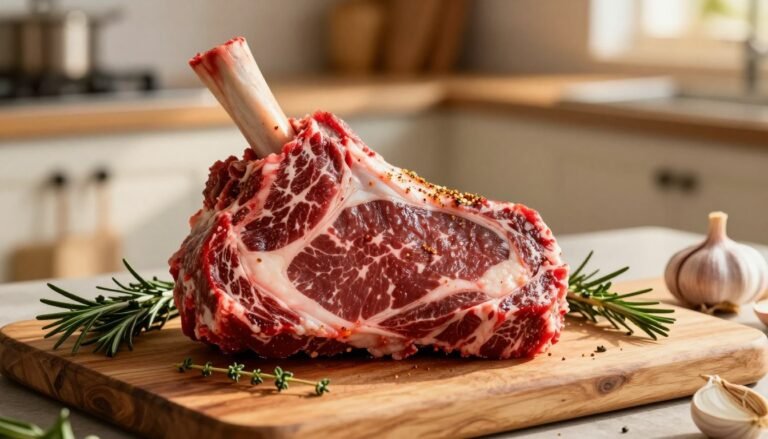
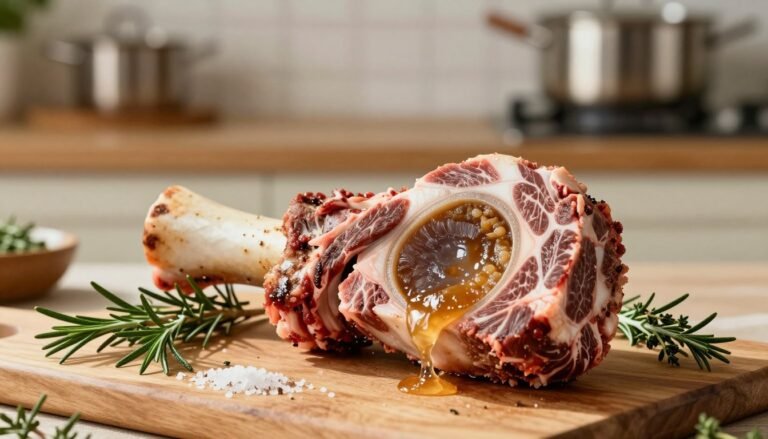
The star of this Italian classic is the cross-cut beef shank. Choose shanks at least one to one-and-a-half inches thick. These cuts contain connective tissue and marrow that break down during long braising.
As collagen melts, it creates a luxurious, gelatinous sauce that coats the meat. Meatier shanks provide enough substance to balance the marrow’s richness. This structure is vital for a successful beef osso bucco recipe.
Build Italian Flavor with Aromatics, Wine, Stock, and Herbs
Building rich flavor requires a thoughtful mix of fresh ingredients. Start with onions, carrots, and celery for a sweet, earthy base. These aromatics create the backbone of the traditional sauce.
To elevate the dish, you must incorporate the following elements:
- Dry White Wine: Adds necessary acidity to cut through the richness of the beef.
- Beef Stock: Provides a deep, savory foundation for the braising liquid.
- Fresh Herbs: Thyme, rosemary, and bay leaves infuse the sauce with aromatic notes.
- Tomatoes: A touch of tomato paste or crushed tomatoes adds color and umami.
Gather the Ingredients and Equipment Before You Start
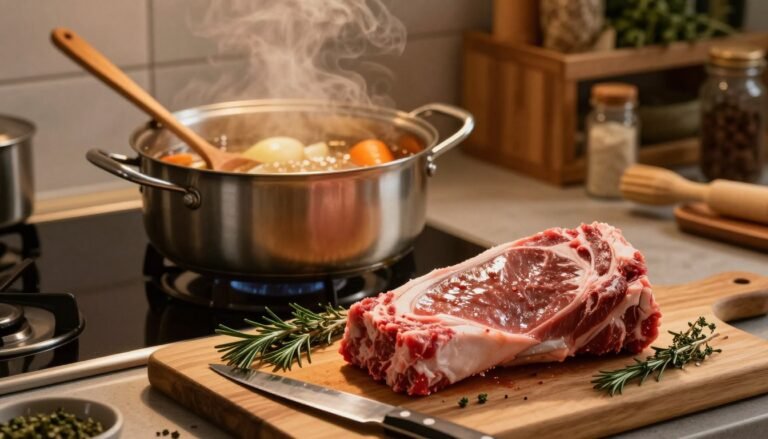
Before cooking, organize your workspace for a smooth process. A heavy Dutch oven is the most important tool for this flavorful meal. Its thick walls spread heat evenly, helping slow-cook the shanks without scorching the bottom.
Ensure you have these essential tools ready:
- A heavy-bottomed Dutch oven or braising pan.
- Kitchen twine to tie the shanks, keeping them intact during cooking.
- Tongs for browning the meat on all sides.
- A sharp chef’s knife for precise vegetable preparation.
Prepare the Beef and Aromatic Vegetable Base
A delicious braised dish starts with careful prep of the meat and vegetables. This work helps each layer of flavor develop during cooking.
Step 1: Pat the Beef Shanks Dry and Season Them Well
Use Salt, Pepper, and a Light Flour Coating
Pat the beef shanks fully dry with paper towels. Surface moisture blocks a good sear, so this step is essential.
Season the meat with kosher salt and freshly cracked black pepper. Dust each shank lightly with all-purpose flour, then shake off excess for an even crust.
Step 2: Brown the Shanks in a Heavy Dutch Oven
Prevent Crowding for a Deep Golden Crust
Heat a splash of oil in a heavy Dutch oven over medium-high heat. Add the shanks, leaving space between them.
Preventing crowding helps the meat sear instead of steam. A deep, golden-brown crust on every side locks in savory juices for tender, flavorful osso bucco.
Step 3: Sauté the Onion, Carrot, Celery, and Garlic
Cook the Vegetables Until Soft and Fragrant
After browning, remove the meat and add diced onions, carrots, and celery. Sauté these aromatics in the rendered fat until soft and translucent.
Add minced garlic during the final minute to prevent burning. This aromatic base provides the sweet, earthy backbone needed for a high-quality meal.
Step 4: Deglaze the Pot with Dry White Wine
Scrape Up the Caramelized Bits Without Burning the Fond
Pour a generous splash of dry white wine into the hot pot to deglaze it. Use a wooden spoon to scrape up the browned bits, called fond.
These caramelized pieces hold concentrated flavor. Stir them into the liquid to build the rich, complex sauce that defines this classic dish.
| Preparation Step | Key Objective | Pro Tip |
|---|---|---|
| Drying Meat | Remove surface moisture | Use high-quality paper towels |
| Searing | Develop Maillard reaction | Do not move meat too early |
| Deglazing | Release flavor fond | Use a dry, acidic wine |
Braise the Beef Osso Bucco Until Fork-Tender
Turn browned shanks into a tender meal with a slow braise in a flavorful liquid. Slow cooking breaks down connective tissue and creates the texture of a well-braised dish.
Step 5: Add Tomatoes, Beef Stock, and Italian Herbs
Pour in high-quality beef stock and crushed tomatoes to form your sauce. Fresh rosemary, thyme, and bay leaves add earthy notes to this traditional beef osso bucco recipe.
Keep the Shanks Partially Submerged in the Braising Liquid
Keep the liquid halfway up the shanks. The meat simmers gently while the exposed top develops a beautiful crust.
Step 6: Cover and Cook the Shanks Slowly in the Oven
Seal the Dutch oven tightly with its lid to trap moisture inside. Place it in a preheated oven for slow cooking.
Braise at 325°F Until the Meat Nearly Falls from the Bone
“Patience is the most important ingredient when working with tough cuts of meat; low and slow heat is the only way to achieve true tenderness.”
Maintain a steady temperature of 325°F for approximately two hours. The meat is ready when a fork pulls it easily from the bone.
Step 7: Check Doneness and Adjust the Sauce
When cooking ends, test the meat for tenderness. If the sauce seems thin, remove the lid and simmer it on the stovetop for a few minutes. This reduces the sauce and concentrates its flavors.
Look for Tender Meat and a Thick, Savory Cooking Liquid
Aim for a rich, velvety sauce that coats the back of a spoon. A flavorful reduction will greatly improve your meal’s final presentation.
Step 8: Rest the Beef Before Serving
Let the meat rest for at least ten minutes before plating. This pause redistributes juices through the fibers, keeping each bite moist.
Remove Excess Fat While Preserving the Rich Sauce
- Use a large spoon to skim any visible fat from the surface of the liquid.
- Be careful not to disturb the tender meat while cleaning the sauce.
- Keep the pot covered during the resting phase to maintain the ideal serving temperature.
Adapt the Recipe for a Slow Cooker and Customize the Flavor
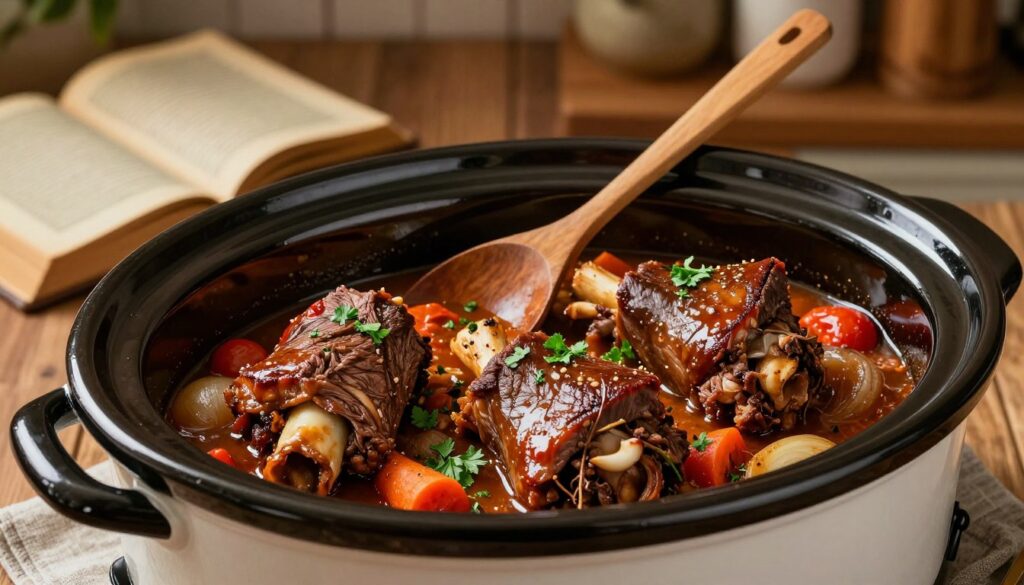
If you prefer a hands-off approach, your slow cooker works perfectly for this Italian meal. The traditional method uses a Dutch oven, but modern appliances can deliver the same fork-tender results. This easy method keeps the dish’s deep, savory flavor.
Convert the Dutch Oven Method to a Slow Cooker
Brown the Beef and Vegetables Before Transferring Them
Never skip browning, even when using a slow cooker. Searing the shanks and sautéing the aromatics build flavor through the Maillard reaction. Then transfer everything to your appliance and finish cooking.
Cook on Low Until the Shanks Are Completely Tender
Set your device to low for the best results. Slow, steady heat gently breaks down the beef’s connective tissue. The meat becomes succulent and pulls easily from the bone.
Make the Sauce Thicker and More Concentrated
Reduce the Liquid Separately When Necessary
Slow cookers trap moisture, so the sauce may seem thinner than desired. For a thicker sauce, pour the cooking liquid into a saucepan after the meat finishes. Simmer it over medium-high heat, then pour it back over the shanks.
Adjust the Recipe with Traditional Italian Finishing Flavors
Add Lemon Zest, Parsley, and Garlic Gremolata
A classic Italian finish uses fresh gremolata. Mix finely minced parsley, fresh lemon zest, and a little garlic for a bright topping. It cuts through the rich braised beef and adds an aromatic lift.
Balance Richness with Acidity and Fresh Herbs
A balanced dish contrasts heavy, savory meat with fresh, acidic ingredients. Add the gremolata just before serving for a needed burst of flavor. This easy step gives your home-cooked meal restaurant-quality appeal.
| Feature | Dutch Oven | Slow Cooker |
|---|---|---|
| Cooking Time | 2-3 Hours | 6-8 Hours |
| Heat Source | Direct Oven Heat | Indirect Low Heat |
| Texture | Very Tender | Fall-Apart Tender |
| Sauce Consistency | Naturally Thick | Requires Reduction |
Serve, Store, and Reheat Your Braised Beef Shanks
Serving this traditional comfort food completes your culinary journey. Its rich, deep flavors pair best with a side that absorbs every drop of savory liquid.
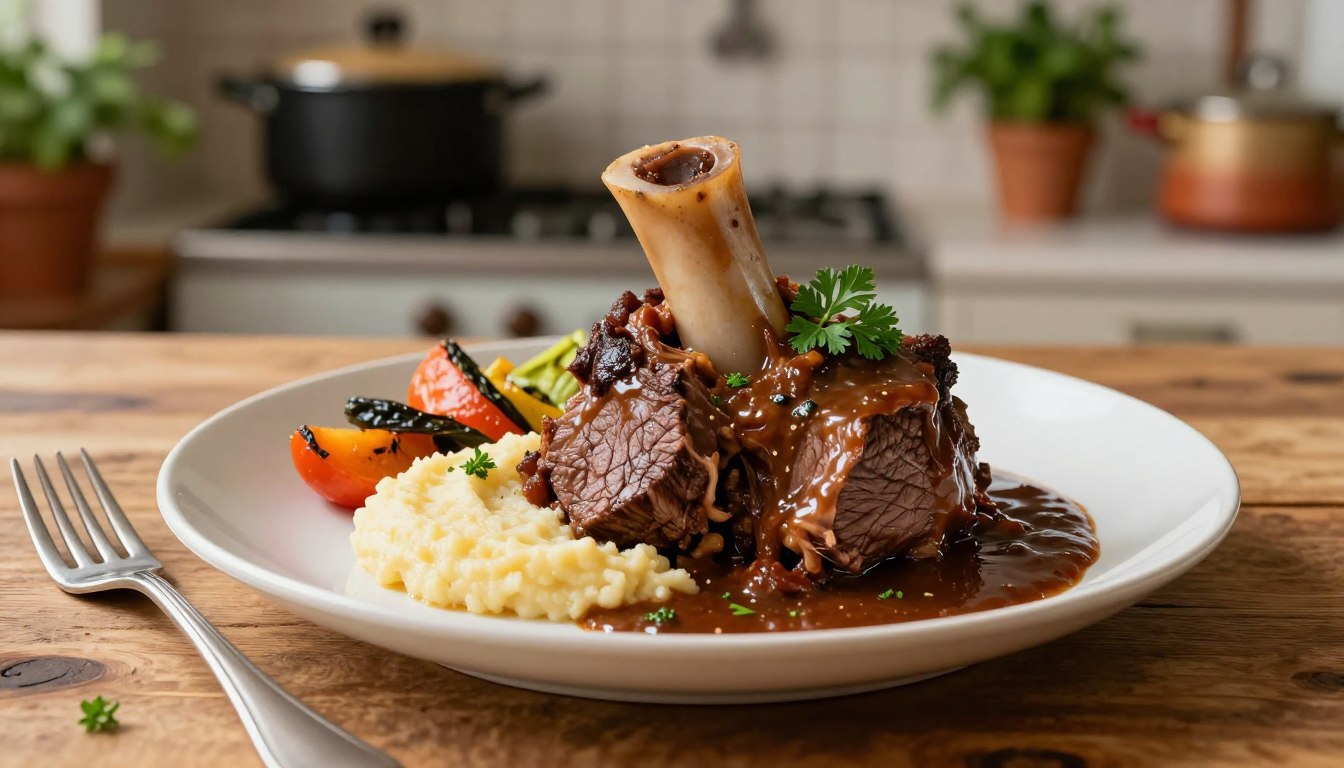
Pair Osso Bucco with Creamy Polenta, Risotto, or Mashed Potatoes
For a balanced meal, serve your braised beef over creamy polenta. Its mild corn flavor creates a simple base for the complex sauce. A classic saffron risotto offers an authentic Italian experience with the tender meat.
If you prefer simplicity, serve fluffy mashed potatoes. They absorb the juices well, so no part of your meal goes to waste.
Finish Each Portion with Gremolata and Extra Sauce
Before serving, sprinkle each portion with fresh gremolata. Lemon zest, garlic, and parsley add a bright contrast to this slow-cooked dish. Spoon extra braising liquid over the meat to keep it moist and flavorful.
Cool and Refrigerate Leftovers Safely
Let leftovers cool to room temperature before placing them in the refrigerator. Rapid cooling prevents bacterial growth and helps maintain the sauce. Do not leave the meat out for more than two hours.
Store the Beef and Sauce in Airtight Containers
Transfer the beef and remaining sauce into shallow, airtight containers. Keep the meat submerged to prevent it from drying out in the fridge. This also lets the flavors meld, often making the dish taste better the next day.
Reheat Gently Without Drying Out the Meat
When ready to eat, reheat the dish slowly on the stovetop over low heat. Add beef stock or water if the sauce has thickened too much. Avoid high heat because it can toughen the meat’s delicate fibers.
| Serving Aspect | Recommended Choice | Benefit |
|---|---|---|
| Base Starch | Creamy Polenta | Absorbs rich sauce |
| Fresh Topping | Gremolata | Adds bright acidity |
| Storage Method | Airtight Container | Retains moisture |
| Reheating Tip | Low Stovetop Heat | Prevents meat toughness |
Conclusion
A restaurant-quality meal begins with patience and proper technique. This beef osso bucco recipe browns high-quality shanks to seal in deep, savory flavor. Aromatic vegetables, dry wine, and beef stock create a rich, flavorful base.
Slow braising turns tough cuts into tender, melt-in-your-mouth perfection. This dish makes comforting comfort food for chilly evenings or special gatherings. Fresh gremolata adds a bright, citrusy contrast that lifts the entire plate.
Choose the traditional oven method for authentic results, or use your slow cooker for easy cooking. Both methods create a delicious dish that shows your cooking skills. Gather your ingredients and enjoy making this timeless Italian classic at home.