How to Make Gravy From Beef Stock: 7 Quick & Perfect Tips
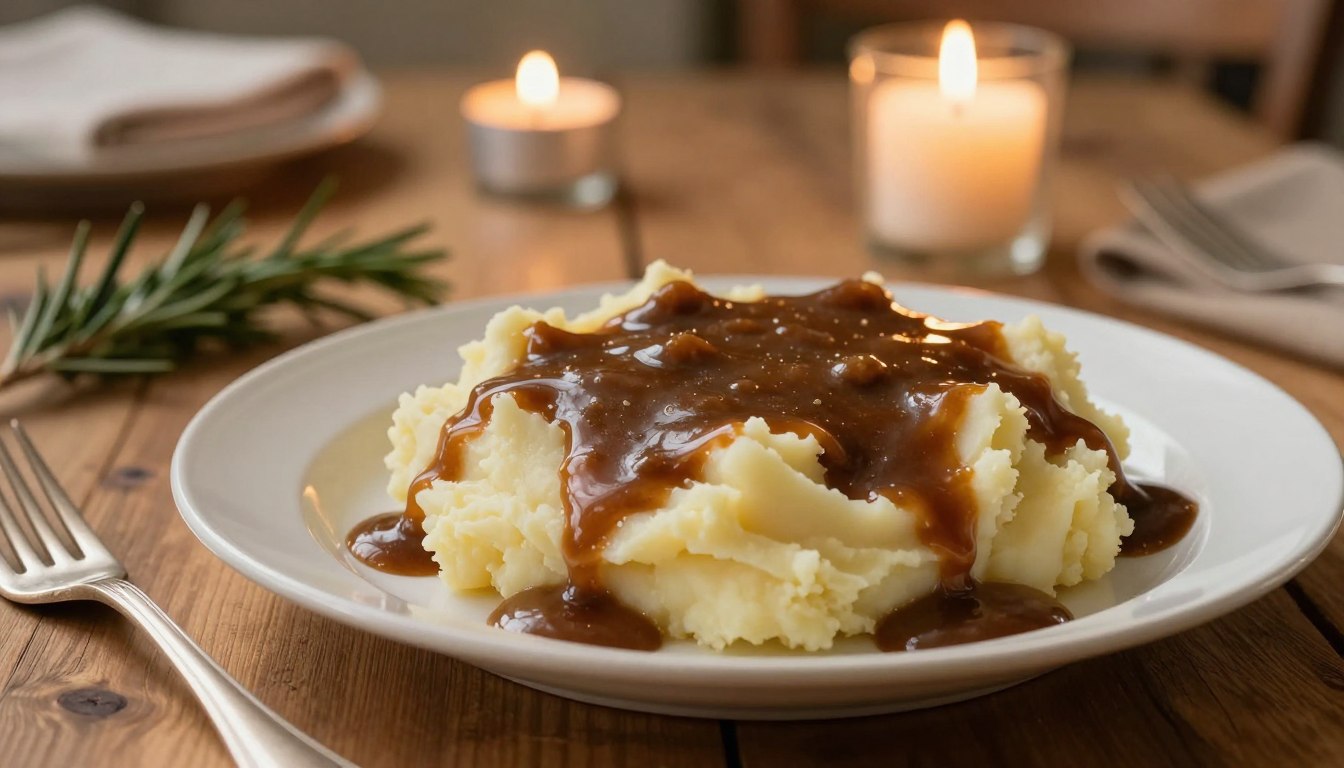
If you want to learn how to make gravy from beef stock, you can easily do it by cooking flour in butter, whisking in stock, and simmering until it coats a spoon. That simple method gives you a smooth sauce for dinner, whether you are serving roast beef or a bowl of mashed potatoes.
Table of Contents
There is something satisfying about bringing a warm gravy boat to the table. Even a small batch can make potatoes, meat, and other comfort food feel like a complete meal.
A roux is a mixture of fat and flour cooked together to thicken a sauce. You can follow the stovetop steps for a reliable first batch, then adjust the flavor and texture to suit your meal.
Keep the stock warm and whisk as you pour for a smooth sauce with little effort. A whisk and a saucepan are enough to get a smooth first batch started.
Which Ingredients Do You Need for Beef Stock Gravy?
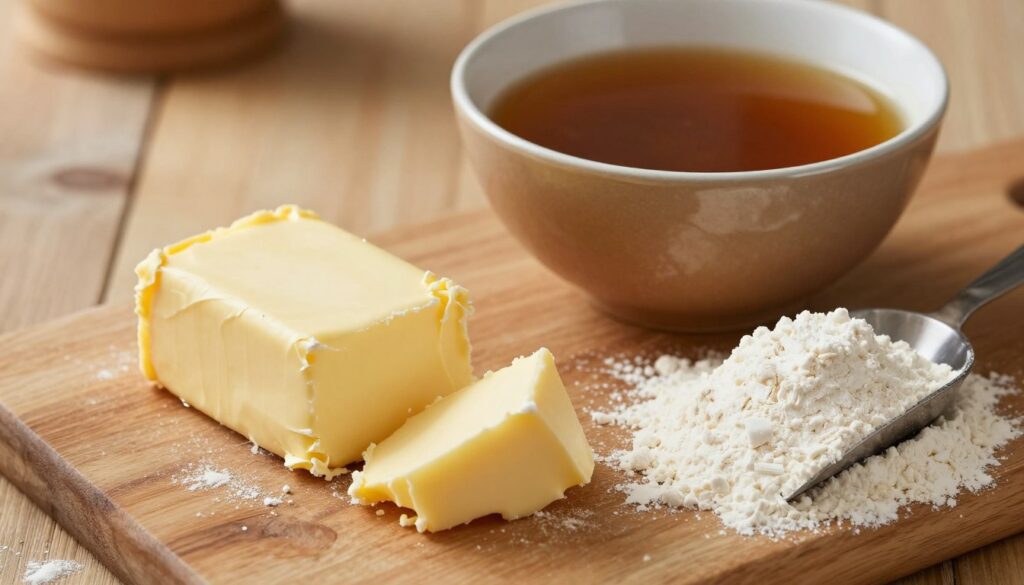
Beef stock and beef broth both work as the base, so choose the one whose flavor and salt level suit your meal. Stock often tastes richer and gives gravy a fuller body, while broth can be made from meat or vegetables.
Either liquid works, but sodium levels vary, so wait until you taste the gravy before adding salt. Stock is generally made from bones, while broth may come from meat or vegetables.
- Beef stock gives the gravy its base and beef flavor.
- Butter supplies the fat needed to cook the flour.
- All-purpose flour thickens the liquid and is the practical standard for a flour roux.
- Garlic and onion powder add savory seasoning.
- Optional Worcestershire sauce gives the gravy extra depth.
These ingredients create a flexible sauce for a range of dinner dishes. You can use unsalted butter if you want more control over the salt, though the stock still affects the final taste.
All-purpose flour is easy to find and blends well with butter for a smooth roux. Beef broth also works when that is what you have on hand, but its flavor and salt level can differ from stock.
Keep the seasoning light at first, since the liquid may already contain salt. Check the liquid’s sodium level before deciding how much salt to add.
Should You Thicken It With a Roux or a Slurry?
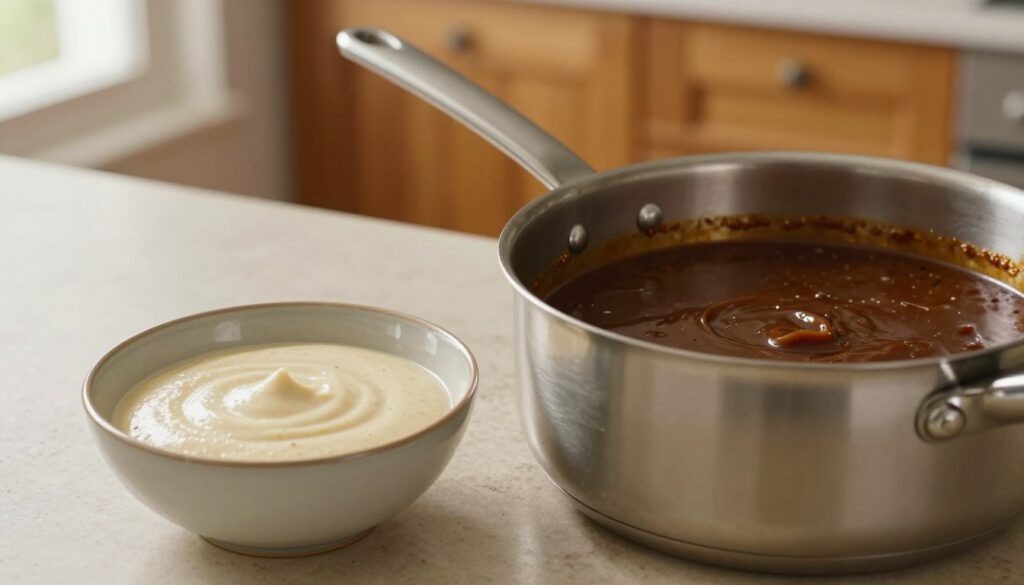
Choose a roux when you want deeper, richer flavor, or a slurry when you want a silkier finish with less fuss. The method changes both texture and taste, so pick the one that fits the meal.
A roux adds savory depth, while a slurry tends to make smoother, silkier gravy. A slurry also skips cooking flour in fat, which can suit a quick batch.
| Method | What is mixed first | Typical texture or flavor |
|---|---|---|
| Fat-and-flour roux | Fat and flour cooked together | Rich, savory depth |
| Flour-and-cool-stock slurry | Flour whisked into cool stock | Silky, smooth texture |
| Cornstarch-and-cold-water slurry | Cornstarch whisked into cold water | Smooth texture, little added flavor |
For one cup of stock, whisk two tablespoons of flour into one-quarter cup cool or room-temperature stock. Add that mixture to one cup of simmering stock, then cook it for a minute or two.
A flour slurry made this way produced smooth, thickened gravy. Whisk the flour well into the cool liquid before it reaches the pan.
Dry flour added directly to hot stock often forms lumps before it can blend in. Mixing it with cool liquid first gives the flour space to disperse.
A roux suits gravy with a deeper, more savory profile. A slurry makes a silkier sauce and avoids cooking flour in fat, so the choice depends on your preferred finish.
For a nutty roux flavor, cook the flour and fat until the mixture reaches a peanut-butter color.
How Do Pan Drippings Change the Gravy?
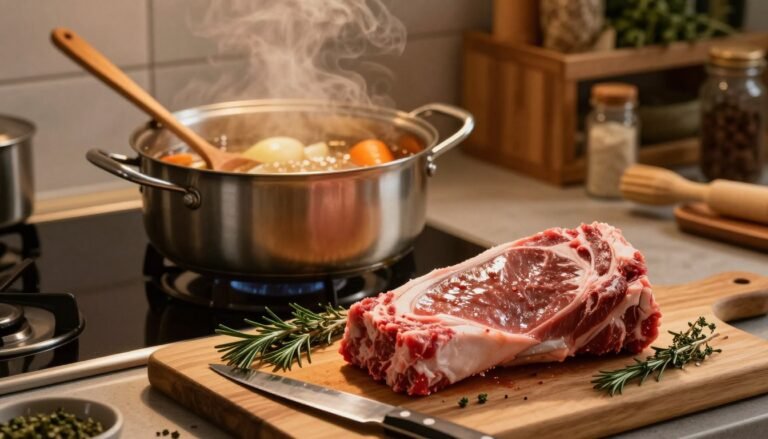
A roast’s browned bits and juices add a more pronounced roasted-beef flavor than stock alone. If you are learning how to make gravy from beef stock, using pan drippings will bring rich roast character to the final sauce, while beef stock or broth fills out the liquid.
You can make roast-style gravy with plenty, a little, or no drippings. The browned bits add flavor, and you can spoon off excess rendered fat before making the sauce.
| Dripping amount | Starting liquid | Fat approach and result |
|---|---|---|
| Plenty | Pan drippings | Use flavorful drippings with enough fat for rich roast flavor |
| Small amount | Drippings plus broth to four cups total | Add about one tablespoon butter per cup of broth for roast flavor |
| None | Beef stock or broth | Use butter for a classic beef gravy without drippings |
Use Roast Drippings for Deeper Flavor
Pour the pan drippings into a heat-safe cup, then let the fat rise to the top. Spoon off extra fat if the roast left more than you need.
Scrape the browned bits from the roasting pan and stir them into the liquid. Those bits hold roasted flavor that plain stock cannot provide on its own.
Make Gravy With Little or No Drippings
When you have only a small amount, add beef broth until the total liquid reaches four cups. Add about one tablespoon of butter for each cup of broth used.
Without drippings, start with beef stock or broth and butter instead. You can still make a familiar roast beef gravy, even when the roasting pan is nearly dry.
Taste the drippings before adding salt because roast juices may already be well seasoned.
How to Make Gravy From Beef Stock
For a one-cup batch, start with 1 cup beef stock and 2 tablespoons each of fat and all-purpose flour. This simple gravy recipe makes a spoon-coating beef gravy with a few minutes of steady stovetop work.
Keep the flour and fat at equal amounts, then add the stock gradually. Warm stock blends more easily into the roux and helps prevent lumps.
- 1 cup beef stock
- 2 tablespoons butter or other fat
- 2 tablespoons all-purpose flour
- Salt and pepper to taste
Measure the Stock, Fat, and Flour
Measure the stock before heating it, and set the butter and flour beside the stove. Warm the stock in a small pot or microwave until it feels warm, not boiling.
Butter gives the sauce a mild, rounded flavor. You can use another fat, such as drippings, when it suits the meal.
Cook the Roux
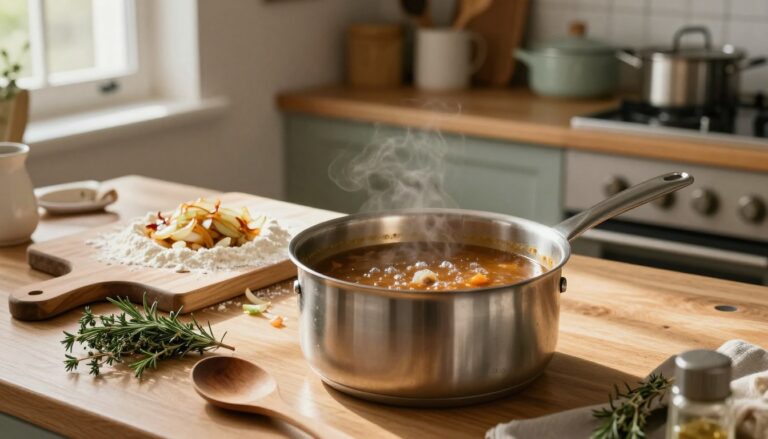
Melt the butter in a saucepan over medium heat. Sprinkle in the flour and whisk until no dry spots remain.
Cook the mixture, whisking often, until it looks smooth and smells lightly nutty. A pale golden color is enough for this quick recipe.
Cooking the flour in fat helps it mix into the liquid without clumping. Keep the heat steady, and do not leave the pan while the roux cooks.
Whisk in the Beef Stock
Pour in a small splash of warm stock while whisking. Once smooth, add more in a slow stream and keep whisking across the pan.
Gradual pouring gives the roux time to blend with the liquid. If the mixture looks thick at first, keep whisking as you add the remaining stock.
A separate chicken-broth test used one cup broth with two tablespoons each of flour and oil, producing thick gravy. The same test used one and one-quarter cups broth for a runnier result.
Simmer Until It Coats a Spoon
Bring the gravy to a gentle simmer, whisking as it thickens. Let it cook until it coats the back of a spoon, then remove the pan from the heat.
That chicken-broth mixture was cooked until smooth and golden brown, then boiled for three minutes. It is a separate test, not a replacement for the beef-stock ratio above.
Too much liquid can thin the finished sauce, so add stock in stages and pause to check the texture. Add salt and pepper after the gravy has thickened.
Taste the finished gravy before adding salt, especially if your stock is salted.
Can You Make Beef Gravy With Cornstarch or Water?
A cold-water cornstarch slurry is the quickest alternative when you want to thicken hot beef broth without making a roux. Water can also supply the liquid for brown gravy when bouillon provides the beef flavor.
Mix cornstarch with cold water before adding it to hot broth. Add any slurry gradually while whisking, so the gravy thickens evenly without turning too firm.
Thicken Beef Gravy With a Cornstarch Slurry
For four cups of broth, whisk four tablespoons cornstarch with one-third cup cold water. Stir until the mix looks smooth, with no dry starch at the bottom.
Pour a little into simmering beef broth while whisking. Wait for the gravy to thicken before adding more, since cornstarch can change the consistency quickly.
A gentle simmer helps the thickener work through the broth. Cornstarch itself is gluten-free, but check the broth and bouillon labels if you need gluten-free gravy.
Make Brown Gravy From Water and Flour
You can make homemade brown gravy with flour and water by using beef bouillon for flavor. Water supplies the liquid, while bouillon gives the sauce its beef taste.
For this quick recipe, use two cups water, four teaspoons beef bouillon, one-quarter cup butter, one-quarter cup flour, and one teaspoon onion powder. The method takes about five minutes, with a one-minute simmer.
Heat the water and bouillon until the liquid is steaming. In a saucepan, melt the butter and whisk in the flour until smooth.
Slowly whisk the steaming liquid into the butter and flour. Keep whisking as the sauce comes together, then simmer it briefly for one minute.
Garlic powder can add another savory note if you want it, but onion powder is the seasoning in this recipe. Taste the gravy before adding more bouillon, since it can make the sauce salty.
Add a slurry gradually, since you can add more thickener but cannot easily take it back out.
How Do You Fix Gravy That Is Too Thin, Thick, or Lumpy?
Most gravy problems can be corrected in the saucepan by adjusting heat, liquid, or seasoning a little at a time. Small changes are easier to control than a large pour or a hard boil.
Simmer thin gravy gently before adding more thickener. Warm stock or water loosens gravy that has become too thick, while whisking can break up small lumps.
| Symptom | Immediate fix | Prevention |
|---|---|---|
| Too thin | Simmer gently, then add more thickener if needed | Check the texture before adding extra liquid |
| Too thick | Whisk in warm stock or water | Add liquid in stages |
| Lumpy | Whisk well or strain through a fine-mesh strainer | Pour liquid in gradually while whisking |
| Bland or too salty | Season bland gravy slowly; dilute salty gravy with unsalted liquid | Taste before adding salt or more seasoning |
Give thin gravy a little time at a gentle simmer before changing the recipe. If it still needs body, stir in a small amount of extra thickener and let it cook.
For thick gravy, add warm beef stock or water a splash at a time. Whisk after each addition, then stop when the sauce flows easily from a spoon.
Whisk small lumps against the side of the saucepan to help them break apart. A fine-mesh strainer can catch any that remain.
Season bland gravy in small steps, tasting after each one. If the sauce is too salty, dilute it with unsalted stock or water instead of adding more seasoning.
Aggressive boiling can make already-thickened gravy stick or reduce too far. Keep the heat gentle while correcting the texture.
If the gravy still has visible lumps after whisking, pass it through a fine-mesh strainer.
How Long Can You Store and Reheat Beef Gravy?
Refrigerate cooked beef gravy within 1 to 2 days, or freeze it for 2 to 3 months. Prompt storage matters when you want to keep leftover sauce for another meal.
Store gravy in a covered, airtight container and chill it promptly. Thaw frozen gravy in the refrigerator before reheating it.
Refrigerate or Freeze Leftovers
Transfer the gravy to a covered airtight container after cooking. Refrigerate it for use within 1 to 2 days, or freeze it for 2 to 3 months.
For the best texture, freeze the gravy in a container that leaves a little room at the top. Frozen liquid expands, so avoid filling the container to its edge.
Thaw frozen gravy in the refrigerator before warming it. If you freeze several servings, smaller containers make it easier to thaw only what you need.
Reheat Without Over-Thickening
Warm the gravy gently on the stovetop, whisking often as it heats. Avoid rushing it over high heat, which can make the sauce stick to the pan.
Leftover gravy may thicken while chilled. To liquify it, whisk in a splash of warm broth or water, then add more only if needed.
Warm the sauce until it is smooth and hot throughout. Reheat only the portion you plan to serve and thin it gradually as it warms.
What Improves the Flavor, and What Should You Serve With It?
A small amount of Worcestershire sauce or a pinch of herbs can deepen the savory flavor without changing the gravy method. Garlic and onion powder also bring a familiar savory taste.
For two cups of broth, try two teaspoons garlic powder, one teaspoon onion powder, and one tablespoon Worcestershire sauce. Treat that combination as a starting point, not a required formula.
Rosemary or thyme adds an herbal note to beef gravy. Use a small pinch first, since dried herbs can stand out in a simple sauce.
- Mashed potatoes
- Roast beef or pot roast
- Rice
- Poutine
- Turkey or dinner rolls
These pairings suit a weeknight dinner or a table of comfort food. Potatoes and roast beef catch the sauce well, while rice gives extra gravy a place to go.
Serve it hot over the dish that needs the extra savory sauce.
Conclusion
A smooth beef-stock gravy comes down to a well-cooked roux, gradual whisking, and a final taste. That method is reliable for a rich sauce, and pan drippings are useful but never essential.
Start with beef stock when you want a full beef flavor, then make the sauce on the stovetop. A small batch gives you room to adjust the seasoning and thickness for dinner.
Set out beef stock, butter, flour, and a whisk, then make a small batch to serve with your next dinner.
FAQ
Do you use broth or stock for gravy?
How to liquify leftover gravy?
What kind of flour is best for gravy?
How much flour for 1 cup of gravy?
What makes beef gravy taste better?
For easy chicken and beef recipes to try, check out : read more
What Did You Think? Rate This Recipe
Absolutely Tender and Packed with Flavor!
I followed this guide step by step and the beef shank came out amazingly tender and full of flavor. The tips on maintaining moisture made all the difference. Highly recommended for anyone trying this cut for the first time!