How to Make Chicken Sausage: Easy Steps and Tips
Table of Contents
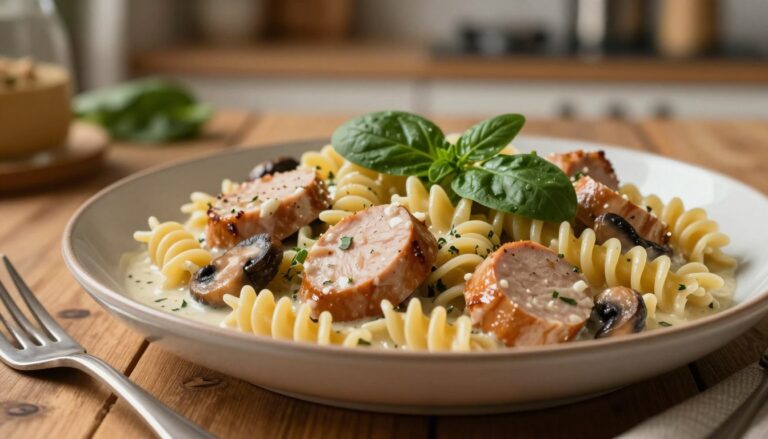
If you want to know how to make chicken sausage, homemade chicken sausage is ground chicken combined with salt, sugar, herbs, and tangy dairy powder. You shape it into links or patties and cook it to 165°F, the safe internal temperature for poultry. This recipe suits anyone who wants lean, custom sausage with less added fat than many store versions
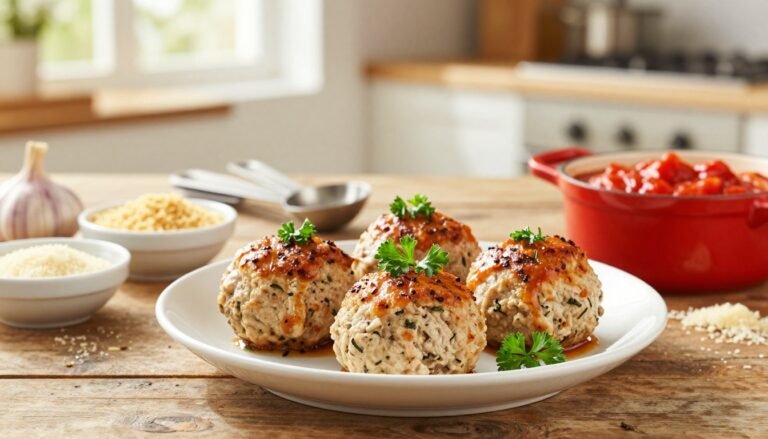
The recipe uses skin-on meat, so the juicy links stay moist while they cook. Cling-free patties are shaped rounds of the mixture cooked without casings, the no-equipment route. That makes this a good first project even if you own no stuffer.
You can customize seasoning to suit your taste after your first batch. Dried fennel, smoked paprika or extra sage all work well in this base. Start with the base recipe once before changing any spices, so you know how the texture behaves.
Choosing the Chicken for Your Sausage
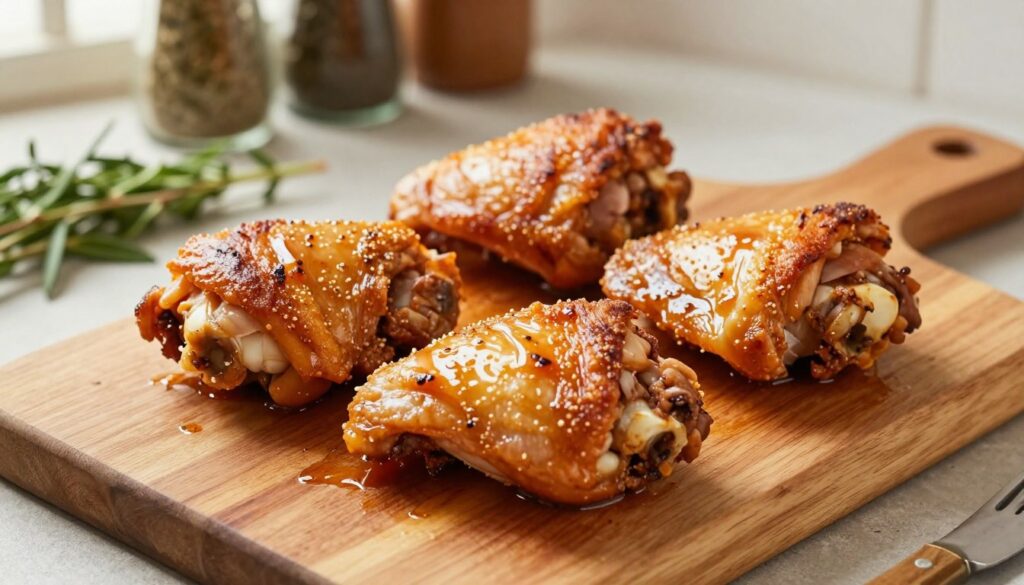
Skin-on chicken thighs give the best balance of meat and fat for this sausage. Ground chicken from thighs holds moisture better than lean meat alone. Thighs are dark meat, and they carry plenty of poultry fat to keep the sausage moist. They also stay tender after cooking, which gives you a better bite.
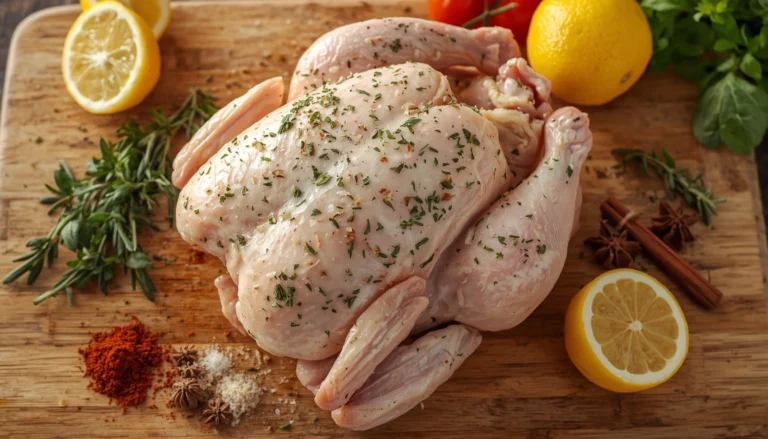
For one batch, buy about 5 lb of chicken meat with skin. Bone-in thighs need deboning first, so plan some extra time at the cutting board. Whole birds cost less per pound, but a single chicken gives less usable meat than thighs.
White breast meat alone turns dry and crumbly in sausage. Breast meat is lean, so it needs the fat from the skin to stay juicy. Add it only if the pieces keep their skin, and keep most of the mix dark meat. Poultry sausage works with light meat, dark meat, or a mix of both.
Trim off any loose cartilage and small bones before grinding, because they can turn up in the finished links. Save the bones from a whole bird for stock, since they would otherwise go to waste. A simple pot of stock uses them well and costs you nothing extra.
Keep the skin on every piece you grind, since it supplies most of the fat.
Gather Ingredients and Equipment
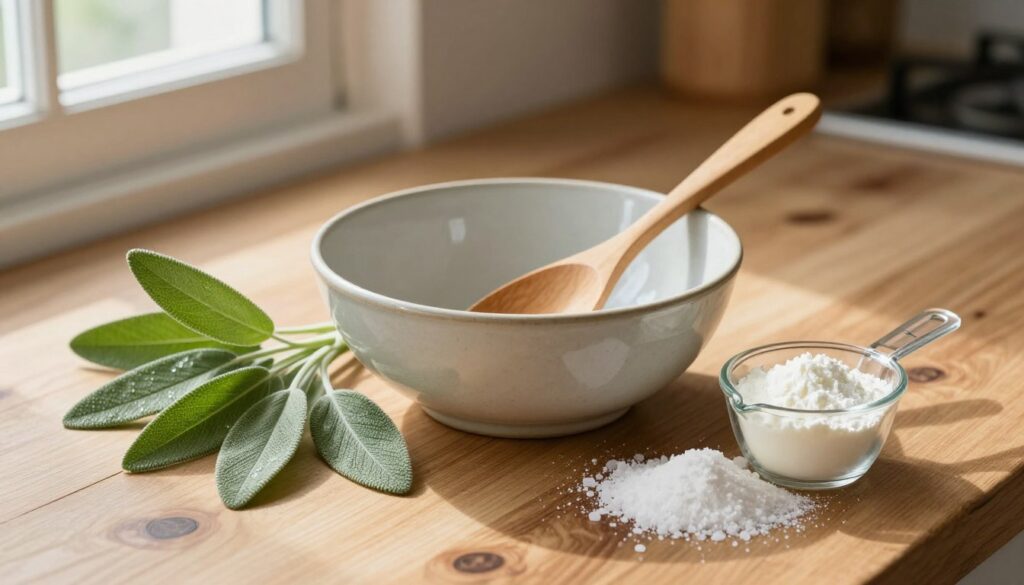
Five pounds of chicken makes one full batch of sausage. You will also need a short seasoning list, a grinder, and a sausage stuffer or a mixing bowl. Measure everything before you start grinding, since the mix moves fast.
Seasoning Quantities for Your Homemade Chicken Sausage
Use these amounts for five pounds of ground chicken. Kosher salt keeps the seasoning even, and powdered buttermilk or Fermento adds the tangy flavor that sets this sausage apart.
- Salt and sugar: 5 tsp kosher salt, heaped, plus 1 tsp sugar, heaped
- Dairy tang: 1/2 cup powdered buttermilk or Fermento
- Spices: 1 1/2 tsp black pepper, 1 tsp nutmeg, 2 tsp granulated onion, and 2 tsp granulated garlic
- Herbs: 1/4 cup fresh finely chopped sage or 1.5 Tbsp rubbed sage, 1/4 cup fresh parsley, and 1/2 cup fresh green onion
- Liquid: 1/2 cup cold chicken broth
- Optional heat: 1 tsp cayenne
Sage gives the links their classic breakfast flavor. Use fresh sage if you have it, since it tastes brighter than the rubbed kind.
Essential Tools to Know How to Make Chicken Sausage
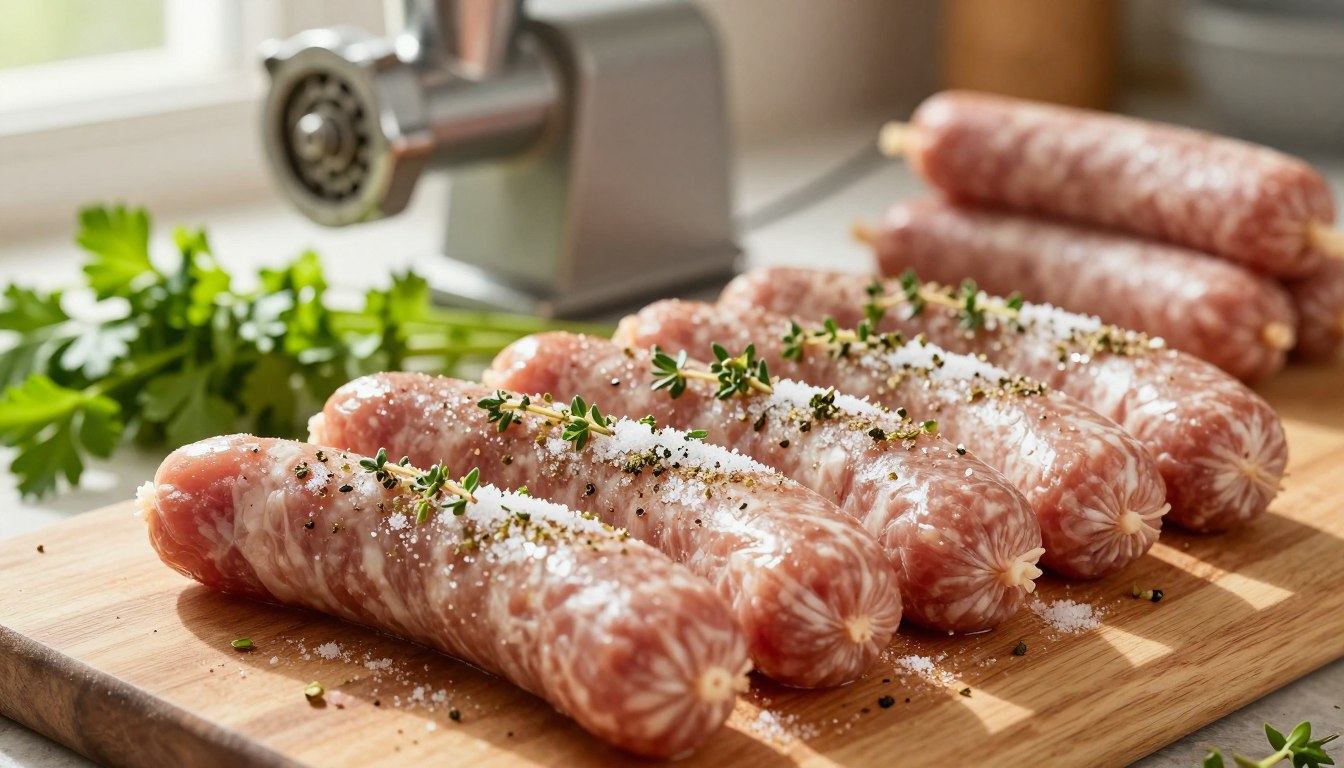
Hog casings give the classic link shape and twist well. For one batch, you need 10-12 feet of 28-32 mm hog casings, which makes about 18 links at 6 inches each. A 5 lb sausage stuffer is enough for most home makers, so you can fill the whole batch in one go.
| Casing type | Diameter | Best use |
|---|---|---|
| Hog casings | 28-32 mm | Classic links that twist well |
| Beef casings | Similar to hog | Thicker, firmer bite |
| Sheep casings | Smaller than hog | Thin links with a snap |
| Collagen casings | Set by the maker | Tied off, not twisted |
Beef, sheep and collagen casings all work too, though each one behaves a little differently. Pick the size that matches the links you want to serve.
Keep the broth cold, since warm liquid softens the mix.
How to Make Chicken Sausage: Step-by-Step Guide
Grind chicken with its skin through a 1/4-inch plate, then mix in the seasonings by hand. The grinder pulls the fat and meat together, so the skin must go in with the meat. Keep the plate and the bowl cold as you work.
The mix comes out soft and sticky. Chill it for a few hours before shaping, so it firms up. A cold mix holds its shape far better than a warm one.
To mix sausage well, work it by hand until the seasonings spread through. Your fingers can feel when the spices are even. Stop once the mix looks tacky and holds together when you press it.
If you have no stuffer, shape patties with wet hands instead. Wet hands keep the mix from sticking to your palms, and they make the patties easy to lift. You can also shape links by rolling the mix into tubes for later.
Raw sausage keeps in the refrigerator for 1-2 days. Taste a small fried patty before stuffing, and adjust salt.
Stuff and Link the Casings
Fill the casing until it is firm but still gives a little when pressed. Air pockets are the enemy, so press out any bubbles as you go.
Tips to Stuff and Shape Chicken Sausage Without Overpacking
Stuff casings slowly, and let the mix flow without pushing hard on the handle. Watch the casing as it fills, and stop when it feels full but soft. A steady pace keeps the fill even from one end to the other.
Leave a little empty casing at the end so you can tie or twist it closed. Keep one hand near the casing as it fills, so it does not slip off the nozzle.
Twisting Even Links
Work from the filled end and make each link the same size. Pinch and twist to link sausage at about 6-inch lengths.
- Pinch off a length of casing about 6 inches long.
- Twist it once, then twist the next link in the opposite direction.
- Lay the sausage links on a tray so they keep their shape.
- Tie off collagen pieces with twine instead of twisting them.
Tie a new piece of twine before each link if you plan to store them separately.
Cook Chicken Sausage to Safe Doneness
Cook chicken sausage to 165°F, whether you pan-fry, air-fry or grill it. Use a thermometer, because color alone cannot prove the center is safe. Patties and links both need the same final check.
Pan-Frying and Air-Frying
Pan frying works well for patties and thin links. Heat a 50/50 mix of oil and butter over medium to medium-high heat, and turn the sausage as it browns.
An air fryer cooks the links at 375°F for 12-15 minutes. Flip them halfway through so both sides brown evenly.
Keeping Children Safe
A 1-year-old should not eat whole links. Cut the sausage into pieces no larger than one-half inch for infants and young children.
The American Academy of Pediatrics (AAP) lists meat sticks and sausages as choking hazards. It advises keeping these high-risk foods away from young children until age 4 or older, depending on development. Check the internal temperature in the thickest link before serving.
Conclusion
Make one batch the first time to learn how your grind and stuffing behave. Pay attention to how the mix feels and how the links twist. Small changes to seasoning are easy once the base recipe works for you.
Leftover links keep for up to 6 months in the freezer. Freeze the leftover links in portions, labeled with the date.
FAQ
Is chicken sausage actually healthy?
What are the disadvantages of eating chicken sausage?
Can a 1 year old eat chicken sausage?
How long does homemade chicken sausage last in the fridge?
Can I make chicken sausage without a stuffer?
Ready to cook something else? Head over to our main page to browse all our savory beef and chicken dishes
What Did You Think? Rate This Recipe
Absolutely Tender and Packed with Flavor!
I followed this guide step by step and the beef shank came out amazingly tender and full of flavor. The tips on maintaining moisture made all the difference. Highly recommended for anyone trying this cut for the first time!