Unlocking the Flavor of Beef Shank Bone: Marrow and Braising Secrets
Cooking brings unique comfort when the air fills with the deep, savory aroma of a slow-cooked meal. Anticipation grows as time transforms simple ingredients into a masterpiece. Preparing a beef shank bone takes patience and rewards you with unmatched depth.
This humble cut combines tender meat with rich, buttery marrow. When you choose high-quality beef bones, you build a memorable dining experience. Seasoning and browning well give each bite a complex flavor that store-bought options cannot match.
By controlling your braise, you unlock this rustic ingredient’s hidden potential. Whether you are a novice or seasoned home chef, these techniques can lift your cooking skills. Let us explore how to turn this cut into a satisfying, restaurant-quality dish at home.
Key Takeaways
- Select high-quality cuts to ensure the best marrow flavor.
- Proper seasoning is essential for building a deep flavor profile.
- Browning the meat creates a rich crust that enhances the final sauce.
- Slow cooking is the secret to achieving fork-tender results.
- Control your heat to maintain the perfect braising environment.
Prepare the Beef Shank Bone for Maximum Flavor
A perfect beef shank bone recipe begins before you turn on the heat. Proper preparation lets every ounce of marrow and connective tissue enrich the final dish. These steps turn simple ingredients into a memorable meal.
Step: Choose Meaty Beef Shank Bone Cuts
Select Center-Cut or Cross-Cut Shanks
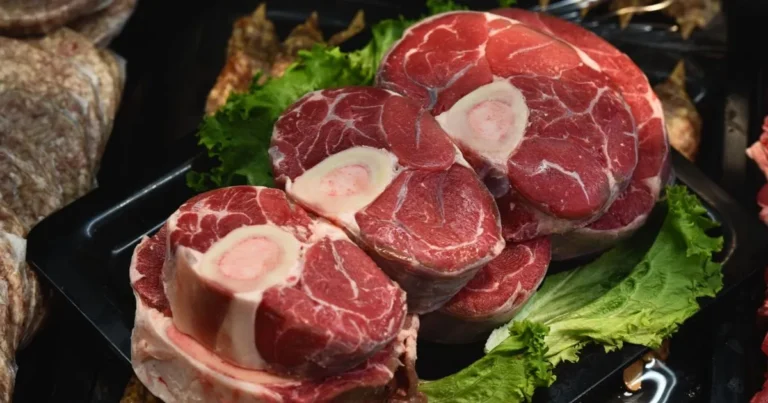
When visiting your local butcher, look for center-cut or cross-cut shanks. These cuts contain plenty of meat compared with bone, making a hearty meal. Consistent thickness helps the meat cook evenly.
Check Marrow, Meat, and Bone Quality
Check that the marrow is visible and firm. Meat around the bone should look vibrant and fresh, and the bone should smell clean and neutral. Avoid discoloration or unpleasant odors because they can harm your results.
Step: Season and Build a Flavor Base
Pat the Beef Dry and Season Generously
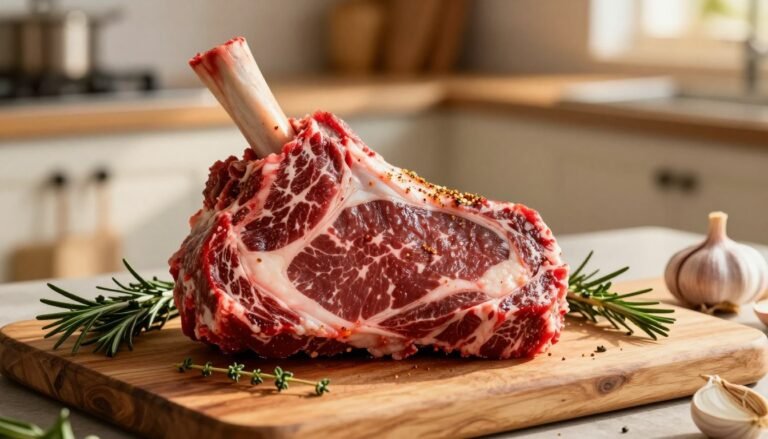
Before you start cooking beef shank bone, pat the meat completely dry with paper towels. Surface moisture prevents proper browning, which builds deep flavor. Season it generously with kosher salt and cracked black pepper for a savory taste.
Gather Aromatics, Stock, Herbs, and Acidity
Build a rich flavor base with aromatics like onions, carrots, and celery. Add fresh thyme or rosemary for earthy notes in your beef shank bone recipe. Finish with red wine or tomato paste to balance the marrow’s richness.
Step: Brown the Beef and Roast the Bones
Sear Every Surface for Deep Browning
Heat a heavy-bottomed pan until it shimmers before adding the meat. Sear every shank surface until a deep, dark crust forms. This Maillard reaction creates a complex, professional-grade flavor.
Toast Separate Beef Bones for Broth-Like Flavor
To deepen the dish, roast extra beef bones in the oven until golden brown. Add these toasted bones to the pot for broth-like richness that is hard to recreate. This extra effort fills the final sauce with concentrated, savory flavor.
Braise Beef Shank Bone for Tender Meat and Rich Marrow
Once browned, your beef shanks begin their transformation during slow braising. This method turns tough connective tissue into succulent, tender meat while preserving the delicate bone marrow inside the cut.
Step: Deglaze the Pan and Add Braising Liquid
Scrape Up the Browned Fond
After removing the meat, you will see dark, caramelized bits stuck to the pan. These bits are called fond and hold intense flavor. Pour liquid into the hot pan, then scrape with a wooden spoon to mix them into your sauce.
Use Stock, Wine, or Tomato for Balanced Flavor
Choose a braising liquid that suits your dish. Beef stock provides a savory base, while dry red wine adds acidity and balances richness. Crushed tomatoes can also give the final sauce a bright, balanced finish.
Step: Cook Low and Slow Until the Meat Gives Easily
Braise in the Oven or Slow Cooker
Return the shanks to the liquid and cover the vessel tightly. Use a heavy Dutch oven or a slow cooker, and keep the heat low. Gentle heat breaks down collagen without drying the meat.
Judge Doneness by Texture Rather Than the Clock
Do not use a timer alone to decide when the dish is ready. Test the meat with a fork; it should pull away from the bone easily. Tender meat shows that the connective tissues have fully softened.
Step: Protect the Marrow and Finish the Sauce
Keep the Bone Partly Submerged During Cooking
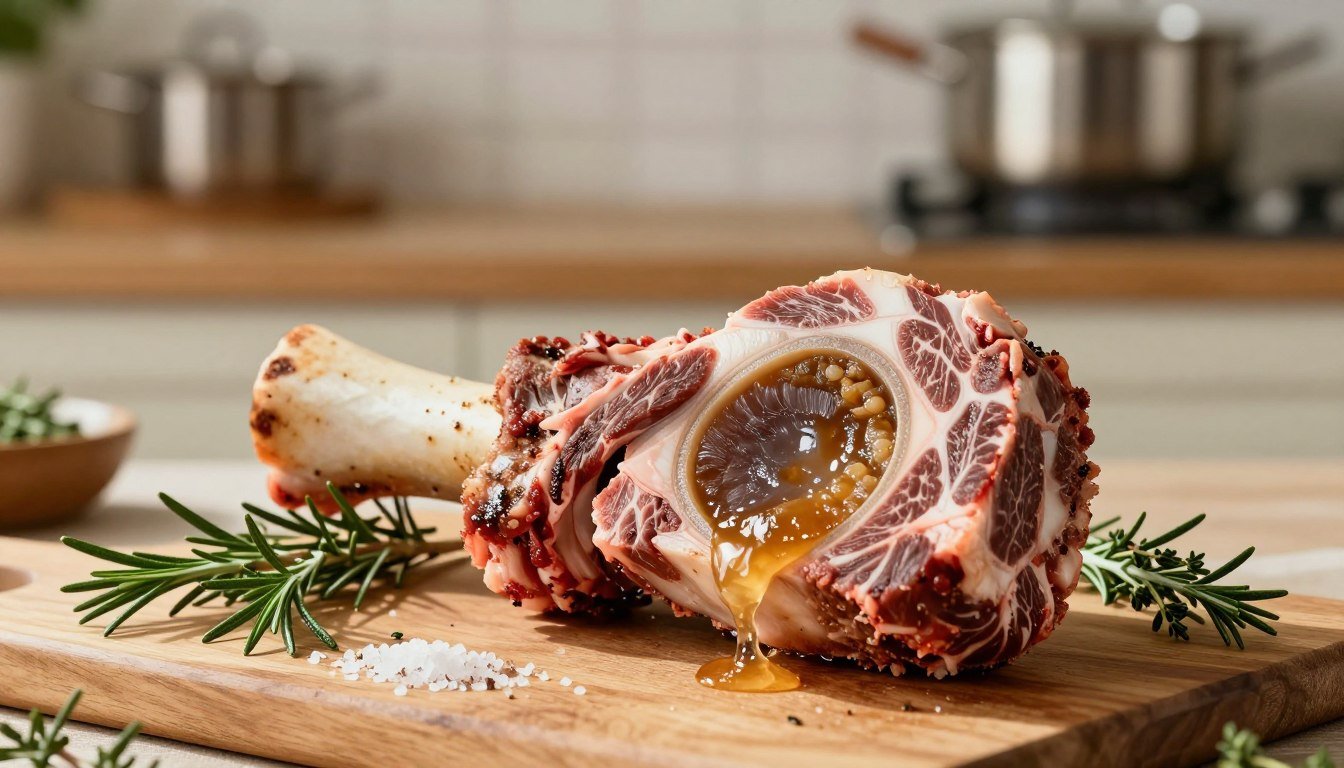
To keep the bone marrow intact, let the liquid reach halfway up the shanks. This braises the meat while keeping the marrow from boiling out too soon. Proper positioning keeps the marrow creamy and flavorful.
Strain, Skim, and Reduce the Braising Liquid
After cooking, remove the meat and strain the liquid to remove impurities. Skim excess fat from the surface for a cleaner sauce. Simmer the liquid until it becomes thick and glossy.
Step: Turn the Results Into Soup or Beef Shank Bone Broth
Stretch Leftovers With Vegetables, Grains, or Beans
Turn leftovers into a hearty meal with a few additions. Add root vegetables, cooked grains, or beans to the braising liquid for a robust stew. This helps extend the life of your meal.
Simmer Beef Bones Separately for a Gelatin-Rich Broth
For nutrient-dense beef shank bone broth, simmer cleaned bones in fresh water with aromatics for several hours. This extracts collagen and minerals, creating a rich, gelatinous liquid. Store the broth for future soups or sauces.
| Method | Primary Benefit | Best Use |
|---|---|---|
| Braising | Tenderizes tough meat | Main course dishes |
| Reduction | Concentrates flavor | Finishing sauces |
| Simmering | Extracts nutrients | Beef shank bone broth |
Step: Follow Safe Handling and Storage Practices
Maintain Safe Cooking and Cooling Temperatures
Always ensure your meat reaches an internal temperature of at least 165°F for safety. Move leftovers to shallow containers so they cool quickly in the refrigerator. Never leave cooked meat at room temperature for more than two hours.
Refrigerate, Freeze, and Reheat Leftovers Properly
Store leftovers in airtight containers to maintain quality. Keep them refrigerated for up to three days or frozen for several months. When reheating, bring the liquid to a gentle simmer to keep the meat moist and flavorful.
Conclusion
Choosing high-quality cuts forms the foundation of kitchen success. Season the meat well, then brown every surface before braising to build deep flavor. Patience helps connective tissue break down into a rich, velvety texture.
Long cooking extracts nutrient-dense marrow and delivers significant beef shank bone benefits. This method turns simple ingredients into a gourmet meal that showcases the cut’s natural richness. Low, slow heat makes the meat tender enough to yield easily under your fork.
Do not waste any part of your hard work. Turn leftovers into hearty beef shank bone soup for cold evenings. Store this liquid gold properly in your refrigerator or freezer as a base for future recipes.
Use safe handling and cooling techniques to protect ingredient quality. Share your results with friends or family to show your new skills. Your kitchen will soon become the go-to spot for perfectly braised beef dishes.