Beef Tips with Gravy: Easy Beef Tips Recipe
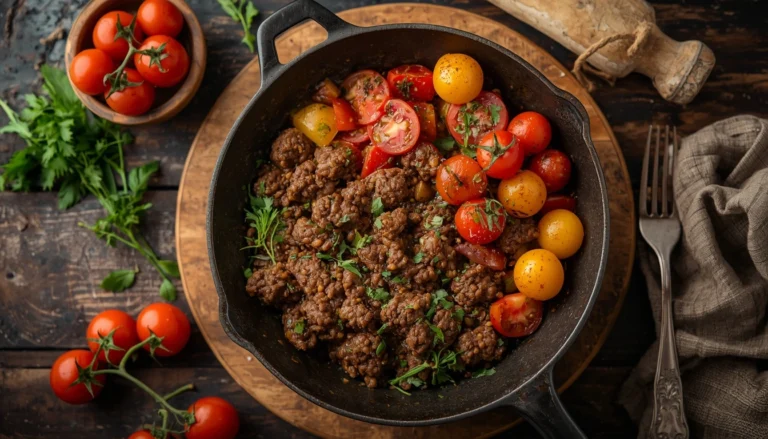
Beef tips with gravy are tender pieces of beef served in savory gravy, and the best cooking method depends on the cut you choose. It is the kind of warm, filling weeknight dinner that makes a busy evening feel a little easier. Searing means briefly browning the outside of meat in hot oil before finishing it with another cooking method.
Table of Contents
This cooking guide offers a covered-oven variation alongside stovetop and slow-cooker methods tailored for various meat cuts and schedules. Achieving melt-in-your-mouth perfection for yourThis cooking guide offers a covered-oven variation alongside stovetop and slow-cooker methods tailored for various meat cuts and schedules. Achieving melt-in-your-mouth perfection for your beef tips with gravy relies on coordinating the ideal cut with its corresponding cooking duration. While the oven approach requires minimal supervision once baking begins, alternative techniques provide enhanced oversight throughout the cooking process.
You can choose between crafting the sauce from scratch or utilizing pantry shortcuts. Your selection influences the overall flavor profile and consistency while preserving the comforting nature of a home-cooked dinner. Simply select the preparation style that aligns best with your chosen cut of meat and available schedule. relies on coordinating the ideal cut with its corresponding cooking duration. While the oven approach requires minimal supervision once baking begins, alternative techniques provide enhanced oversight throughout the cooking process.
You can choose between crafting the sauce from scratch or utilizing pantry shortcuts. Your selection influences the overall flavor profile and consistency while preserving the comforting nature of a home-cooked dinner. Simply select the preparation style that aligns best with your chosen cut of meat and available schedule.
Which Cut of Beef Gives You Tender Tips?
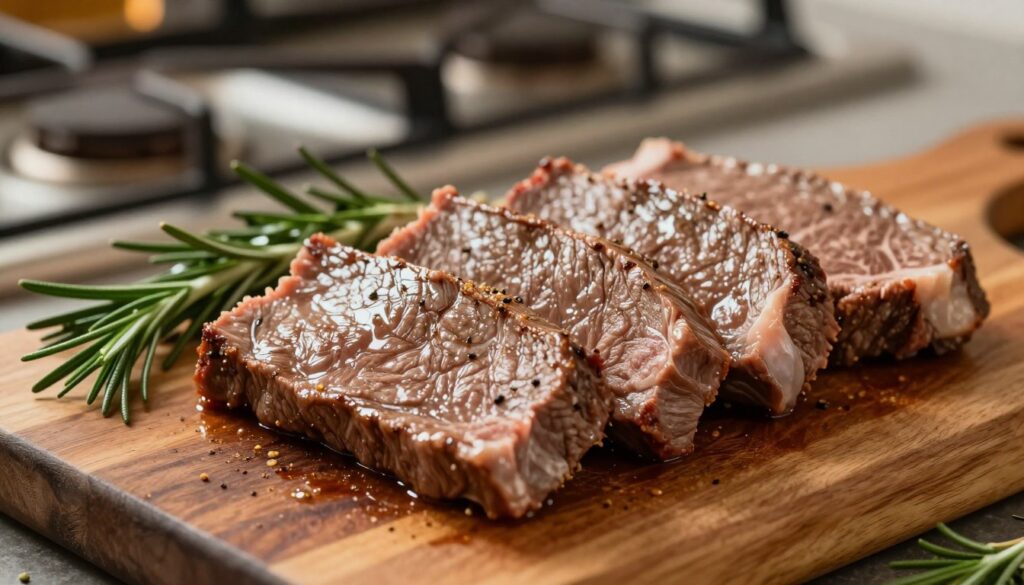
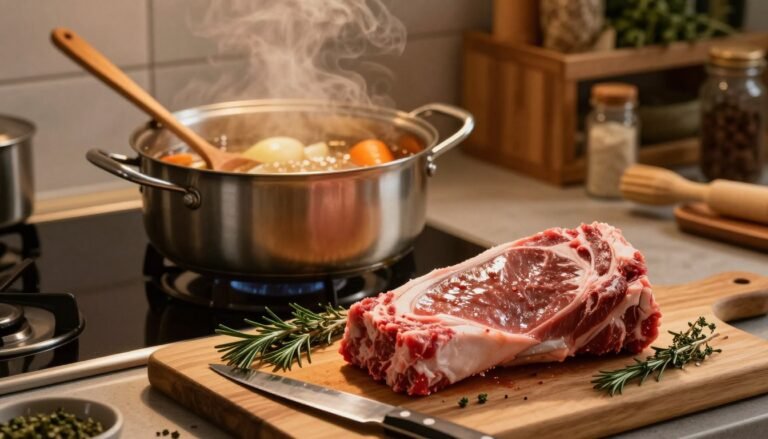
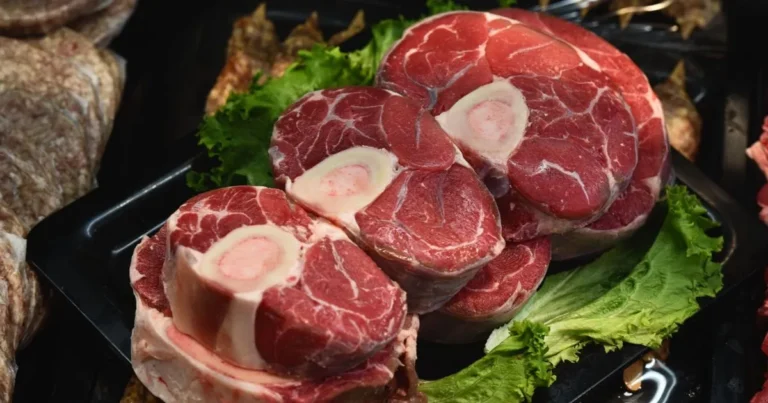
For a quicker stovetop dinner, choose sirloin or tenderloin, while chuck or rump is a better match for slow cooking. The cooking time matters because tender cuts can turn tough when held in a long braise. Use chuck or rump when the beef will cook slowly in moist heat.
Sirloin and tenderloin suit a pot or skillet because they can cook through in a shorter time. Their tender texture does not need hours of simmering to soften. Cut them into even pieces so the gravy can coat each piece and the meat finishes at about the same pace.
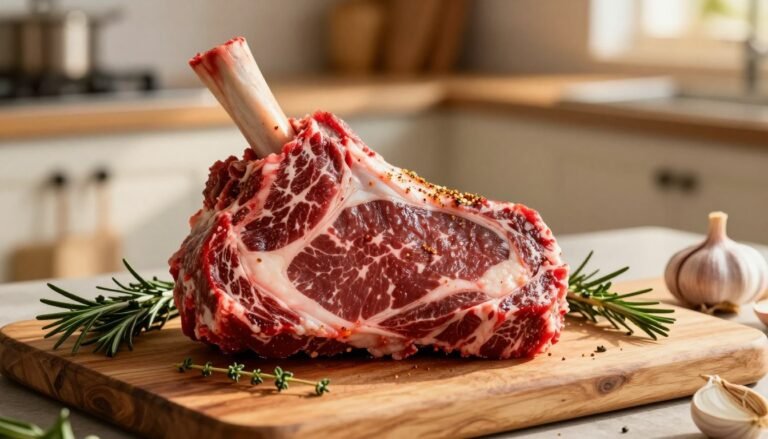
A chuck roast or rump roast has more connective tissue, which softens during long, moist cooking. That change helps chuck become tender in a slow cooker or another low, covered cook. A roast also lets you cut pieces to a size that suits the recipe.
Stew meat can work in an oven-baked dish, but the label does not name one specific cut. A package may contain pieces from different parts of the animal, and piece size can vary. Round steak, chuck roast, or stew meat cut into bite-sized pieces can all suit the covered oven method.
| Cut | Best method | Why it works |
|---|---|---|
| Sirloin or tenderloin | Stovetop | Tender pieces cook in less time |
| Chuck or rump roast | Slow cooker | Long, moist cooking softens the beef |
| Stew meat | Covered oven | Bite-sized pieces cook in sauce |
Check a stew meat package for piece size and any cut information, since both can affect the final texture. A mix of small and large chunks may finish unevenly, even when the dish stays covered. Cut the pieces evenly so they cook at a similar pace.
How Do You Build a Rich Brown Gravy?
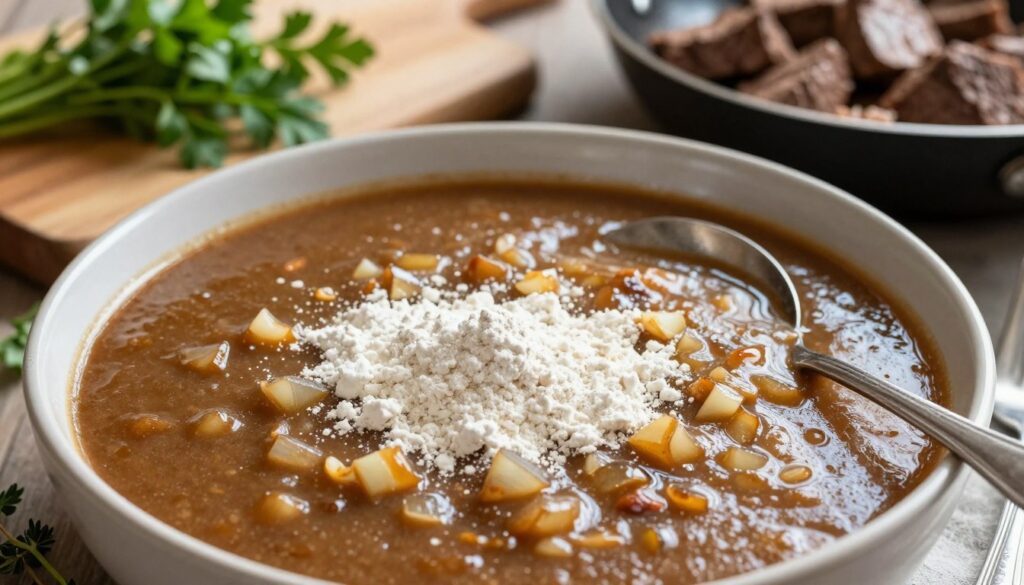
A browned flour roux and beef broth give you a classic scratch-made base, while a prepared mix saves a step. Scratch gravy lets you shape the onion, garlic, and pepper notes to suit your meal. A gravy mix is a useful shortcut, while a scratch version gives you more control over seasoning.
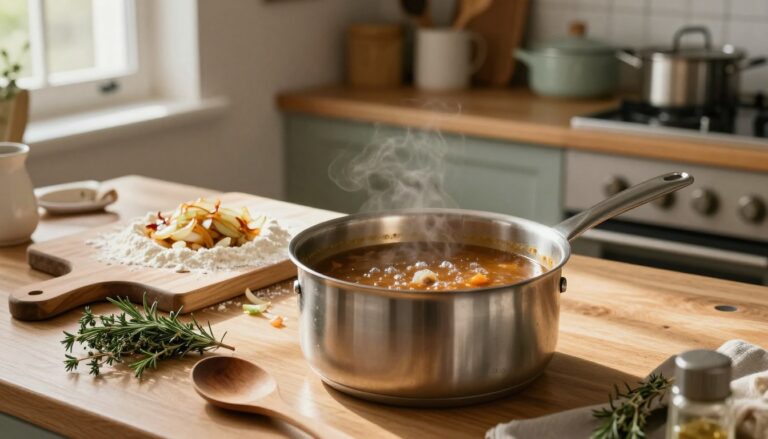
For an old-fashioned flavor, soften onion and garlic, then stir flour into butter to make a roux. The roux thickens beef broth and gives the gravy a deep, cooked flavor. You can season it as it simmers, adding salt only after tasting.
Beef tips with brown gravy mix offer a faster path when you want fewer ingredients. Prepare a 0.87-ounce packet of Great Value Brown Gravy Mix with 1 cup of cold water. Bring it to a boil while stirring, then simmer it for 1 minute.
A condensed cream soup can form a creamy sauce with little extra work. It gives the dish a richer, softer flavor than a clear brown gravy. The soup-based route also seasons the sauce, so check it before reaching for the salt shaker.
| Gravy approach | Base | What it adds |
|---|---|---|
| Scratch gravy | Beef broth, onion, garlic, flour roux | Deep flavor and seasoning control |
| Prepared brown gravy mix | Great Value mix and cold water | Quick brown gravy with fewer steps |
| Creamy soup-based sauce | Condensed cream soup | Creamy texture and built-in seasoning |
Choose the approach that suits your schedule and the flavor you want. A roux gives you a classic base, while a packet or soup can make dinner simpler. Taste before adding salt when you use a packet or condensed soup, since both can season the sauce already.
How to Make Beef Tips with Gravy in the Oven
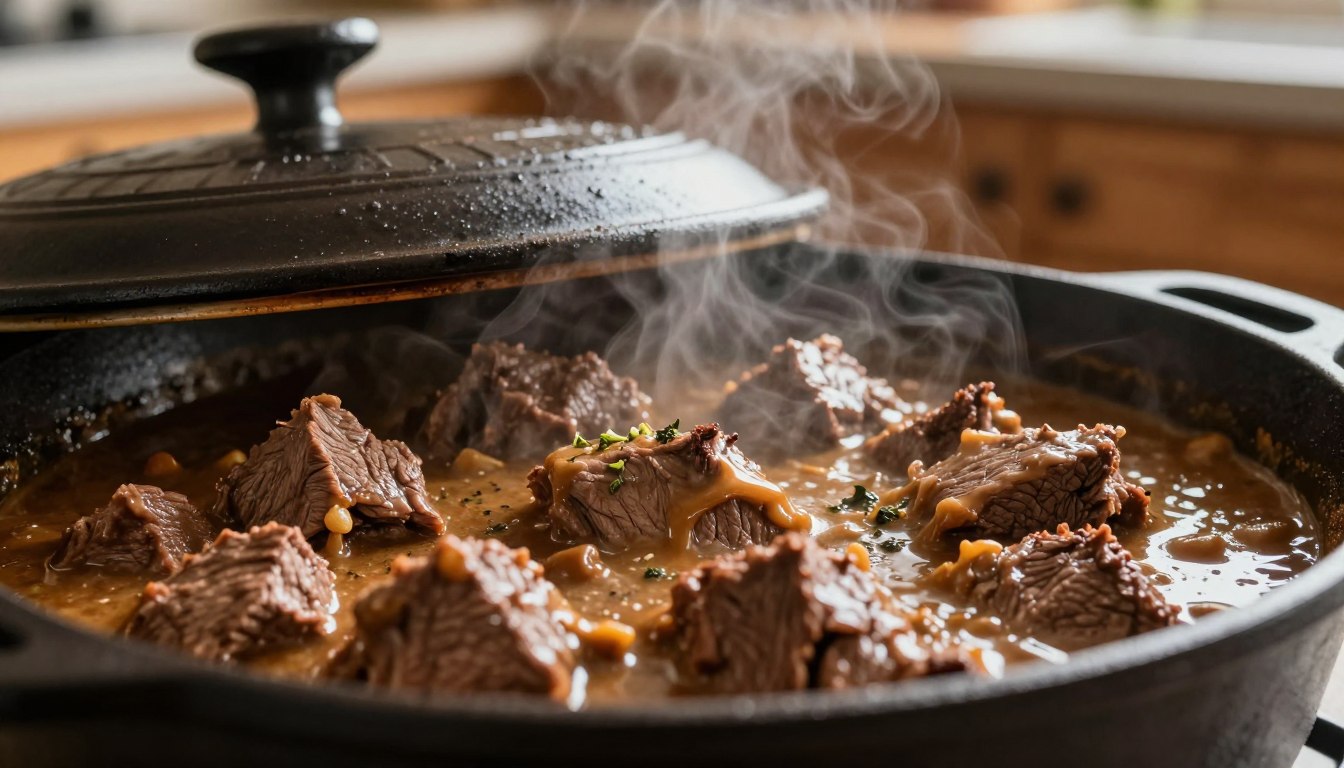
For a hands-off oven dinner, combine stew meat with ginger ale, cream of mushroom soup, and beefy onion soup mix, then bake it covered. The covered dish lets the beef cook in its sauce with little attention from you. Use an oven-safe dish with a lid or a tight foil cover.
Ingredients for the Covered Oven Recipe
Gather these four ingredients before you start. The condensed soup and soup mix season the sauce, so you do not need to build a separate gravy base.
- 2 pounds of stew meat
- 2 cups of ginger ale
- One 10-ounce can of cream of mushroom soup
- One packet of beefy onion soup mix
Bake Until the Beef Is Tender
Heat your oven to 325°F. Place the stew meat in an oven-safe baking dish, then add the ginger ale, cream of mushroom soup, and beefy onion soup mix. Stir until the meat is coated and the ingredients are spread through the dish.
Cover the dish with its lid or foil, then bake at 325°F for 3 hours. Check the beef before serving; it should feel tender when you pierce a piece with a fork. If a piece still feels firm, give the covered dish more time in the oven.
This is a different, hands-off route from making gravy in a skillet. You combine the ingredients in the baking dish and let the oven do the work. Keep the dish covered during baking so the beef cooks in the sauce.
The recipe lists 303 calories and 1,304 mg sodium per serving. Those figures are per serving, and they reflect this recipe as written. The soup and mix add much of the dish’s seasoning, so avoid adding extra salt before tasting the finished gravy.
How Do You Cook Beef Tips on the Stovetop?
Sirloin makes a practical stovetop choice because it can finish cooking in the gravy without a long braise. Keep the first browning brief so the meat does not cook through before it reaches the sauce. The stovetop version uses 1.5 pounds of sirloin and serves 4.
Brown the Beef in Batches
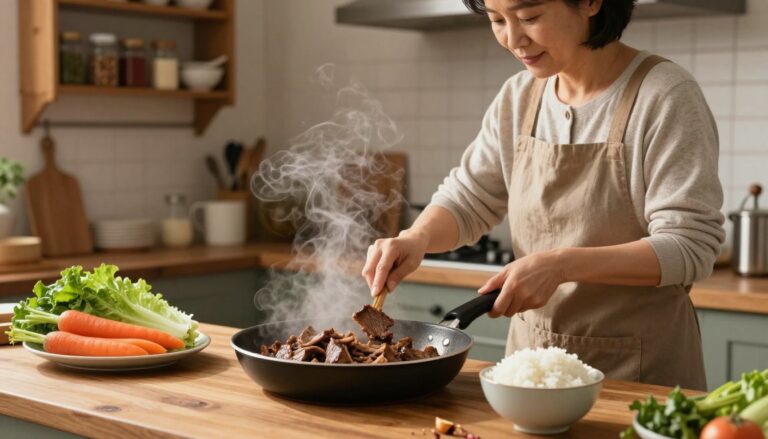
For this alternative, set out 1.5 pounds of sirloin, 2 cups of beef broth, and 3 tablespoons of flour. Cut the sirloin into even bite-sized pieces and pat them dry. Heat a little oil in a pot over medium-high heat.
Brown the beef in batches for 30-45 seconds per side. Leave space between the pieces so they brown instead of steaming. The meat should not be fully cooked during browning; move each batch to a plate while you work.
Simmer the Beef in Gravy
Use the same pot to build the gravy, keeping the browned bits in the pan. Stir in the flour, then gradually add the beef broth while whisking. Let the sauce cook until smooth and thickened, then return the beef and any juices from the plate.
Cook the beef in the gravy for 10-15 minutes, checking a piece for doneness near the end. Keep the simmer gentle so the sauce does not boil hard around the tender meat. The finished sauce should coat the beef without masking its flavor.
You can make the prepared beef and gravy up to 2 days ahead. Refrigerate them in a covered container, then reheat gently before serving. Pull the pot from the heat as soon as the beef is cooked through so tender pieces do not turn tough.
How Do You Make Beef Tips in a Slow Cooker?
Chuck is a strong choice for a slow-cooker dinner because long, moist cooking helps it become tender. Give the cut enough time to soften instead of judging it only by the clock. Never put frozen meat straight into a slow cooker.
Prepare the Beef and Fill the Cooker
Cut the chuck into similar-size pieces and prepare the other recipe ingredients before filling the slow cooker. Keep the liquid level in line with your recipe, since too much can thin the gravy. Use this checklist to set up the cooker safely:
- Thaw frozen meat in the refrigerator, cold water, or microwave before adding it.
- Brown the beef first if you want a deeper flavor.
- Fill the cooker between half and two-thirds full.
- Keep the liquid amount suited to the recipe.
Do not thaw beef on the counter, and do not add it while frozen. A slow cooker heats food gradually, so frozen meat may spend too long at an unsafe temperature. The cooker should not be packed too full or left underfilled, since both can affect cooking.
Cook Low and Finish the Gravy
Cook the beef on low for 7-8 hours or on high for 3-4 hours. Keep the lid in place while the beef cooks, since lifting it releases heat and can extend the cooking time. The exact finish depends on the cut and the size of its pieces.
Check a piece before serving; chuck should be fork-tender, not merely cooked through. If the sauce is thin, thicken the gravy after cooking rather than adding extra starch at the start. Stir the thickener in well and give the sauce a short cook to reach the texture you like.
If the beef is still chewy at the end of the stated cook time, continue cooking until it is fork-tender.
How Can You Fix Gravy That’s Thin, Lumpy, or Too Salty?
A thin gravy needs either a little more reduction or a properly mixed thickener, not a handful of dry flour. Small changes are easier to control than a large addition. Mix starch with cold liquid before adding it to hot gravy.
Flour roux works well when you want a smooth, rich sauce, while a cornstarch slurry can thicken gravy near the end. A slurry is a thickener made by whisking starch into cold liquid. You can also simmer gravy uncovered to reduce it without adding another ingredient.
Choose a Thickener That Fits the Sauce
| Thickener | How to prepare it | Best use |
|---|---|---|
| Flour roux | Cook flour in butter for about 1 minute | Rich gravy made before adding liquid |
| Cornstarch slurry | Whisk starch into cold water | Thickening hot gravy near the end |
| Reduce uncovered | Simmer gravy without a lid | Concentrating a thin sauce |
For a flour roux, cook the flour in butter for about 1 minute before adding liquid. For a slurry, whisk the starch into cold water until smooth, then stir it into hot gravy. Adding dry starch directly to hot gravy often creates lumps that are hard to whisk away.
Correct Texture and Seasoning
Whisk gravy steadily to break up small lumps. If lumps remain, strain the sauce or blend it briefly, then return it to the pot. Add a little broth to loosen gravy that has become too thick.
To correct saltiness, add unsalted broth or water in small splashes and taste after each addition. Avoid adding salty soup, broth, or seasoning mix while trying to soften a salty sauce. Add thickener in small amounts and let the gravy cook briefly before deciding whether it needs more.
What Should You Serve with Beef Tips and Gravy?
Mashed potatoes, egg noodles, rice, and polenta all give the gravy a satisfying base. Each one catches the sauce in a different way, so choose the texture you want beside the beef. Add a green vegetable to balance a plate built around beef and gravy.
Starches That Catch the Gravy
These four starches can turn the saucy beef into a filling meal. Polenta offers a less familiar option with a soft texture that works well under gravy.
- Mashed potatoes make a soft base that holds a generous spoonful of gravy.
- Egg noodles twist through the sauce and add a tender, chewy bite.
- Rice absorbs gravy across the plate and keeps the meal simple.
- Polenta gives you a creamy corn base for the beef and sauce.
Serve the starch in a shallow bowl or on a plate with space for extra sauce. Egg noodles give the meal a more substantial feel, while rice leaves room for vegetables. Choose one base rather than piling several starches onto the same plate.
Vegetables for a Balanced Plate
Green beans or broccoli add color and a fresh taste beside rich beef. A roasted vegetable brings browned edges and a firmer bite, while steamed vegetables keep the plate lighter. Either style adds contrast without competing with the gravy.
Green beans work well whole, and broccoli florets are easy to portion alongside the beef. A simple steamed side can balance a creamy sauce, while roasted vegetables bring a more savory edge. Add a green vegetable to balance a plate built around beef and gravy.
How Do You Store and Reheat Beef Tips Safely?
Refrigerate cooked leftovers promptly, using the shorter time limit when the food has been exposed to temperatures above 90°F. Time matters once cooked beef leaves the heat. Refrigerate slow-cooker leftovers within 2 hours, or within 1 hour after exposure to temperatures above 90°F.
Refrigerate and Freeze Leftovers
Store oven-recipe leftovers in an airtight container in the refrigerator for up to 3 days. Divide a large amount among smaller containers so the food cools more quickly. Keep the gravy with the beef to help protect the pieces from drying out.
You can freeze beef tips and gravy for up to 3 months in an airtight container. Leave a little room at the top for expansion, then thaw the container in the refrigerator before reheating. Marking the container with the date helps you use older leftovers first.
Reheat Without Drying the Beef
Warm the beef and gravy gently in a covered pot over low heat, stirring now and then. If the chilled gravy has thickened, stir in a splash of broth. Stop heating once the food is hot throughout, since a hard boil can toughen the beef.
For the microwave, use a microwave-safe dish and cover it loosely. Heat in short intervals, stirring between them so the sauce warms evenly. Reheat only the portion you plan to eat instead of warming the full container repeatedly.
For raw beef steaks, chops, and roasts, the safe minimum is 145°F followed by a rest of at least 3 minutes. That rule applies to those whole cuts, not as a substitute for cooking beef tips until tender. Reheat only the amount you plan to serve and return the rest to the refrigerator promptly.
How Can You Tailor the Recipe to Your Budget and Pantry?
The cut you choose and the number of portions you need are the simplest ways to plan the cost of this dinner. Start with your cooking method before you compare prices at the meat counter. In July 2026, the average U.S. price of chuck roast was $9.63 per pound.
Choose a Cut That Fits Your Cooking Time
A general rule of thumb is about 1/2 pound of boneless beef per adult for a main course. Adjust that amount for appetite and the sides you plan to serve. Your total will change with local prices and the cut you select.
Buying a roast gives you control over the size of the pieces, while stew meat saves cutting time. A lower price per pound may not mean a lower dinner cost if you need more beef or a different cooking method. Plan portions before shopping so you can compare the amounts you will actually use.
Swap Ingredients with Care
In a scratch gravy, beef broth can replace optional wine without losing the savory base. Low-sodium broth gives you more control over the salt, especially when other ingredients have strong seasoning. Taste after the sauce comes together, rather than seasoning by habit.
Packaged mixes and condensed soup can add salt before you reach for the shaker. Keep that seasoning in mind if you swap one product for another. A lean, tender cut is not automatically a good budget substitute for a long slow cook if it dries before it tenderizes.
Broth also lets you adjust a sauce without changing its main flavor. Choose ingredients that work with the cut and the method, not just the price tag. Match the cut to the cooking time before choosing a substitute based on price alone.
Conclusion
Tender beef tips and savory gravy come from choosing a cooking method that suits the cut. The right match helps keep the meat tender without asking a quick-cooking cut to handle a long braise.
Use the covered oven recipe when you want a hands-off meal, or pick the stovetop or slow cooker to suit your beef and schedule. Choose your cut and method, then gather the ingredients before you begin.
FAQ
Are stew meat and beef tips the same thing?
Can you make beef tips with gravy without cream of mushroom soup?
Why are my beef tips still tough after cooking?
Can you freeze beef tips and gravy?
How do you keep gravy from getting too salty?
Can you reheat beef tips without drying them out?
Ready to master more kitchen favorites? Explore all our tested chicken and beef recipes step by step : read more
What Did You Think? Rate This Recipe
Absolutely Tender and Packed with Flavor!
I followed this guide step by step and the beef shank came out amazingly tender and full of flavor. The tips on maintaining moisture made all the difference. Highly recommended for anyone trying this cut for the first time!