Asian Beef Recipes: A Guide to Flavors, Cuts, and Cooking Methods
Table of Contents
A good starting point is to match the dish to the time you have and the cooking method you prefer. You may want a quick meal after work, or a slow, warm bowl on a cold evening. Asian beef recipes can fit either plan, with familiar ingredients and straightforward home cooking. Marbling means the small streaks of fat within muscle that contribute to juiciness and flavor.
Start with a dish you recognize, such as Korean bulgogi or Japanese gyudon, then adjust the flavor to suit your table. You do not need special gear to make either one. A skillet, a pot, or a grill can get dinner started. A clear plan for flavor and cooking time makes choosing easier.
Gochujang, a Korean chile paste, can add a spicy note to some dishes, while wok cooking suits fast, high-heat meals. You can keep the rest simple with rice, vegetables, and a sauce that fits your taste. Choose a familiar starting point, then change one detail at a time. Pick one flavor direction first, then choose the recipe that fits your kitchen and schedule.
How Do You Choose Asian Beef Recipes for Your Meal?
If you want dinner quickly, a high-heat stir-fry is a more direct route than a dish that simmers in broth. A quick skillet needs little setup, while a rice bowl can make the beef feel like a full meal. Choose the cooking style that fits your time and appetite.
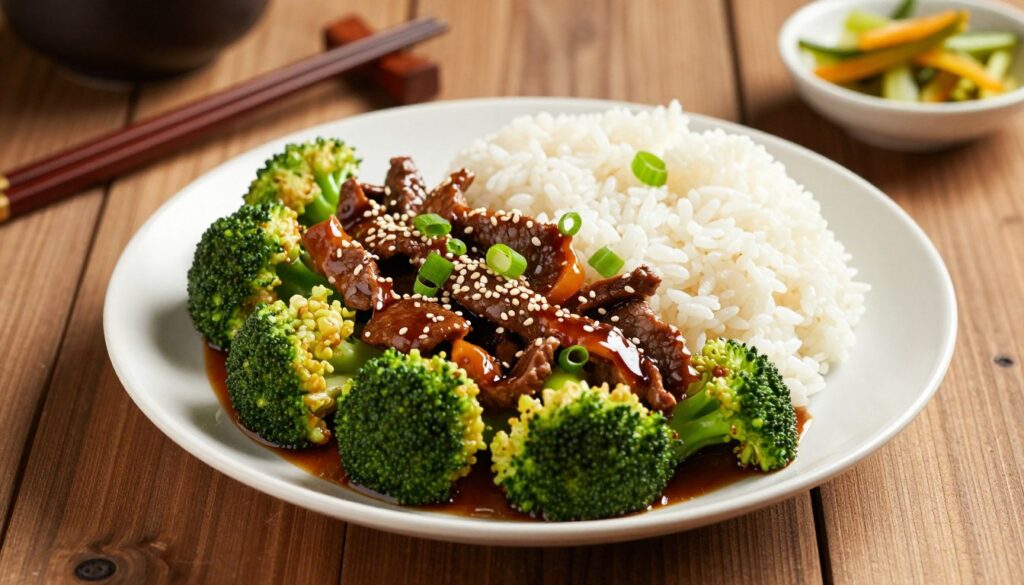
A stir-fry such as beef and broccoli cooks in stages, then comes together with sauce and rice. Korean bulgogi gives you a grilled or pan-seared meal with a sweet-savory flavor. Japanese gyudon takes a different route: beef and onion simmer briefly in a seasoned liquid, then go over rice.
The 2026 U.S. beef availability forecast is 56.9 pounds per person. That broad figure estimates fresh and processed beef sold in stores and used in restaurants. It is not advice about how much beef you should eat.
A rice bowl is a useful choice when you want the beef, sauce, and grain together in one serving. A grilled plate leaves more room for separate sides, while a stir-fry can use vegetables already in your fridge. Consider whether you want a meal that feels fresh from the pan or one with a little time to simmer.
Let the time available and the style of meal you want decide which recipe to make.
Which Beef Cuts Work Best for Each Cooking Method?
For a quick stir-fry, chuck is a strong option, while tenderloin is better suited to a dish where delicate pieces will not be tossed around. Thin slicing can make several cuts work well in bowls and fast-cooked dishes. Cut beef across the grain to make each bite easier to chew.
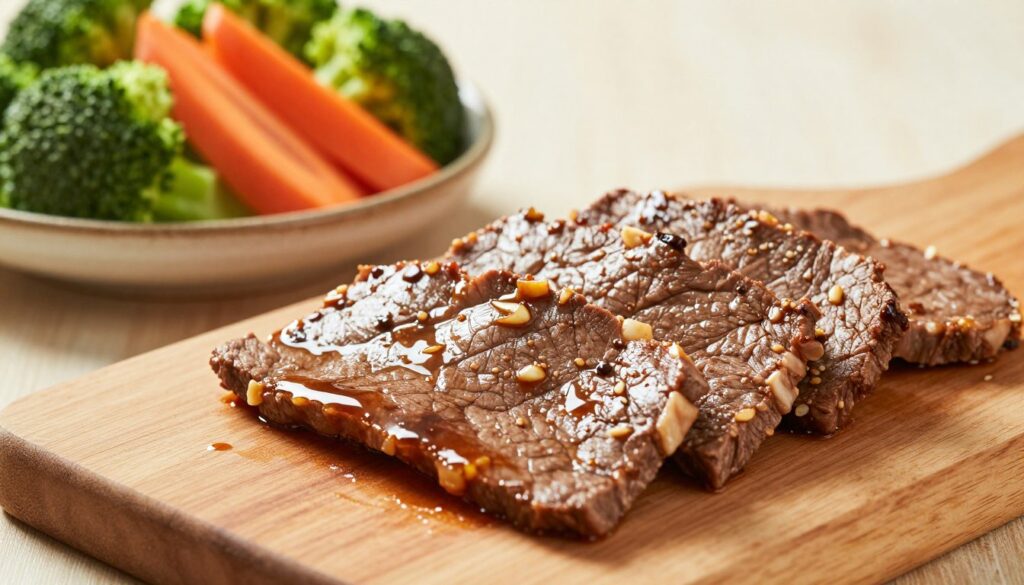
Cuts for grilling, bowls, and stir-frying
Top sirloin, tenderloin, and rib eye are traditional bulgogi choices. Skirt steak, flank steak, and chuck roast can also work when you slice them thinly across the grain. A flank steak marinade can flavor the meat, but it cannot replace slicing against the grain.
Chuck performed well in one five-cut stir-fry test. It was more tender than rump and comparable to sirloin and Scotch fillet. Eye fillet was tender, yet its pieces broke up during cooking and nearly fell apart when eaten.
How marbling and grade affect your choice
USDA grades give you a rough guide to marbling, not a promise about how every piece will cook. USDA Prime has at least slightly abundant marbling. USDA Choice has at least a small amount, but less than Prime.
USDA Select is usually leaner than higher grades and has at least a slight amount of marbling. A leaner piece may suit a quick cook, while more marbling can help a cut stay juicy. Match the grade to the dish and the texture you want.
Choose a cut that can keep its shape through the cooking method you plan to use.
What Goes Into a Bulgogi Marinade?
A classic bulgogi marinade layers salty soy sauce with sweetness, aromatics, and sesame. Each part has a job, from seasoning the beef to adding aroma. Keep the sweet and salty notes in balance so neither takes over.
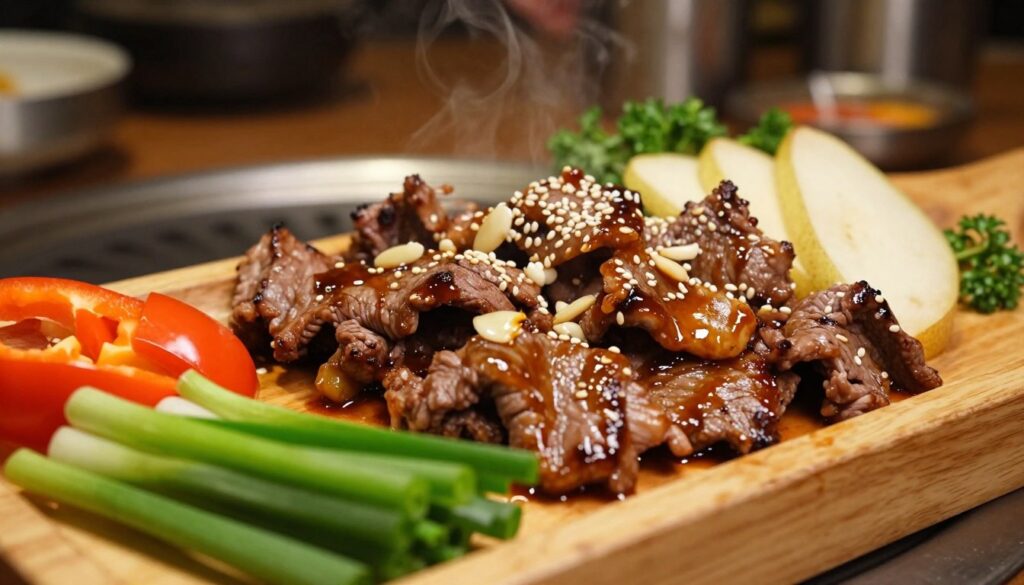
The sweet-savory marinade
Soy sauce gives the marinade its salty, savory base. Mirin or cooking rice wine adds a mild sweetness and depth. Garlic brings a sharp, savory note, while sugar or honey softens the salt and helps build a sweet finish.
Sesame oil adds a toasted aroma, and sesame seeds give the beef a nutty finish. Black pepper adds a little warmth. Those flavors are enough for a traditional bulgogi marinade; gochujang is an optional way to add heat, not a required ingredient.
You can use the same general flavor idea for a flank steak marinade, but keep the amount suited to your beef. Too much sweetener can make the outside darken quickly over high heat. Taste the mixture before adding the meat, then adjust it while the flavors are still easy to judge.
Asian pear as a tenderizer
Grated Asian pear is a traditional tenderizer in bulgogi. The fruit also brings sweetness, which rounds out the soy sauce and aromatics. Use 2 tablespoons of grated Asian pear for each 1 pound of beef.
That measured amount gives the pear a clear role without letting it dominate the flavor. Grate it finely so it blends into the liquid instead of leaving large pieces on the meat. Measure the grated Asian pear against the amount of beef instead of adding it by eye.
How Can You Cook Bulgogi Without Drying It Out?
A grill, broiler, or very hot stovetop pan can all cook bulgogi, so choose the method that gives you the most control. Quick, direct heat helps the beef brown before it dries out. Cook in batches when the pan cannot hold the meat in a loose layer.
Grill or broil for direct heat
Bulgogi can cook over an open flame on a charcoal or gas grill. The flame gives the beef direct heat and can add a lightly charred edge. Keep an eye on the meat as it cooks, since thin pieces can change quickly.
An oven broiler offers another direct-heat option when grilling is not practical. Set the beef where it can brown under the heat, then turn or stir it as needed. Use a pan or tray that catches drips, and avoid letting the pieces sit in their liquid.
Use a hot pan without crowding
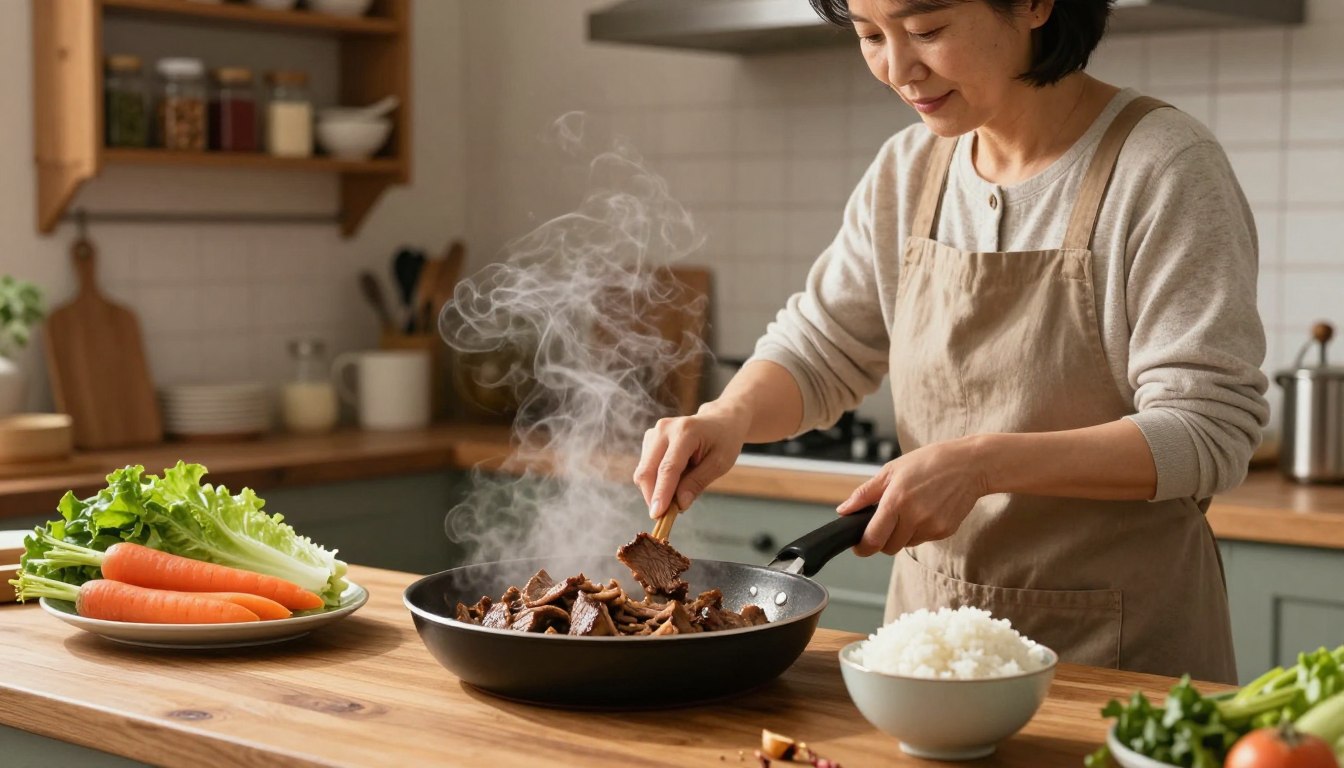
For stovetop cooking, preheat the pan over high heat before adding the beef. A wok can work well, as can a wide skillet. Spread the pieces out so they have contact with the hot surface instead of piling them together.
When too much meat goes into the pan at once, its liquid can collect faster than it evaporates. The beef then stews instead of browning. Work in batches, and let the pan regain heat before adding the next portion.
Cook a small batch at a time if the pan starts releasing liquid instead of browning the beef.
How Do You Slice and Cook Beef for Stir-Fry?
Thin slices cut across the grain are the most useful starting point for tender beef in a fast stir-fry. Look for the fibers in the meat before cutting. Keep slices no thicker than 3 mm (⅛ inch) for quick, even cooking.
Cutting across the grain shortens the muscle fibers, so each bite is easier to chew. This matters in beef and broccoli, where the beef cooks quickly and gets tossed with other ingredients. Follow this sequence for even slices and a fast cook:
- Find the direction of the visible muscle fibers, or grain.
- Separate sections if the grain changes direction, as it can in rump steak.
- Slice each section across its own grain.
- Cook the beef in batches in a hot pan or wok.
A sharp knife helps you make steady cuts without crushing the meat. If the grain runs in several directions, treat each section as its own piece. That small bit of prep keeps the slices from ending up with long fibers running through them.
Wok cooking is suited to quick batches, but a wide skillet can do the same job at home. Give the beef enough room to make contact with the hot surface, then add it back with the broccoli and sauce. Keep each slice at or below 3 mm (⅛ inch) so it cooks quickly and evenly.
How Do You Keep Beef and Broccoli Sauce Balanced?
A useful beef and broccoli sauce balances salt, savory depth, acidity, and enough thickening to cling to the ingredients. Start with small amounts of each flavor, then taste before cooking. Cornstarch thickens the sauce, but too much can make it pasty.
Mix the stir-fry sauce before it goes into the pan so its flavors and thickener are spread through the liquid. These four parts give you a clear starting point:
- Soy sauce provides salt and savory flavor.
- Oyster sauce or hoisin adds depth, with hoisin bringing a sweeter note.
- Rice vinegar adds acidity to balance the rich flavors.
- Cornstarch thickens the sauce so it clings to beef and broccoli.
Use broth to soften a sauce that tastes too intense. Add a little at a time, since a large pour can thin the sauce more than you want. If you use too much cornstarch, the sauce can turn thick and pasty rather than glossy.
Think about the sauce after it hits the pan, too. Heat can reduce its liquid and make the salt taste stronger. Keep the first taste mild enough to leave room for that change, and add more seasoning only if the finished dish needs it.
Taste the sauce before it reaches the pan, since reducing it during cooking can intensify its saltiness.
What Makes a Gyudon Rice Bowl?
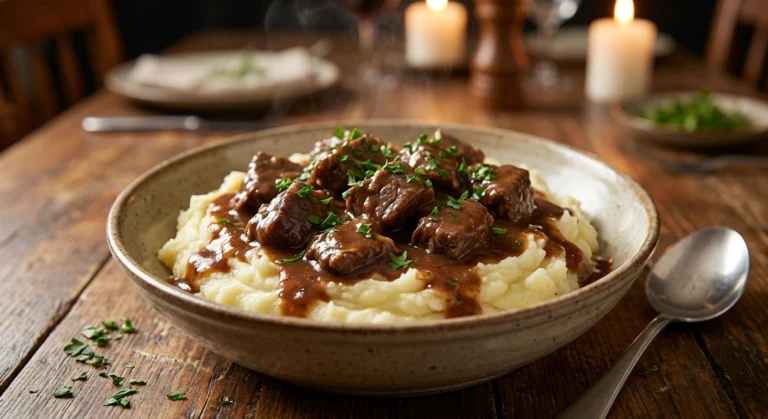
Gyudon pairs thinly sliced beef and onion simmered in a savory-sweet liquid with a bowl of Japanese short-grain rice. The beef cooks briefly, so it stays tender. For two servings, use about ½ pound of thinly sliced beef, such as rib eye.
Build the beef and onion base
Gyudon uses thinly sliced beef, onion, dashi, sake, mirin, soy sauce, and sugar. Dashi is a Japanese broth that gives the cooking liquid a savory base. The seasonings create a balance of salt, sweetness, and depth around the beef and onion.
Slice the onion so it softens in the simmering liquid. Add the beef in thin pieces, which cook fast and take on the flavor of the broth. The two-serving amount is a useful guide when you want a modest bowl with rice.
Simmer briefly and serve over rice
Cover the beef and onion mixture once it begins to simmer, then cook it for 3-4 minutes. The covered pan holds in steam and helps the onion soften. Watch the beef as it cooks, since extra time can make it chewy.
Less-marbled beef is especially easy to overcook in a simmer. Stop when the meat is no longer pink, rather than leaving it in the liquid while you finish other tasks. Spoon the beef and onion over Japanese short-grain rice, then add pickled red ginger as a garnish.
The ginger adds a bright, sharp contrast to the seasoned beef. Serve the bowl while the rice is warm, and keep the garnish separate until the last moment if you want its fresh bite. Stop simmering as soon as the beef is no longer pink to avoid cooking it longer than needed.
How Do You Build a Bowl of Beef Noodle Soup?
Start with the style of broth you want, since pho and Taiwanese beef noodle soup build very different bowls. Pho is lighter in its usual pairing, while the Taiwanese version often has a more seasoned broth. Build each bowl from broth, noodles, beef, and fresh finishes.
These four elements help you shape a bowl without making it complicated:
- Broth sets the soup’s main flavor.
- Noodles give the bowl its base.
- Beef adds a hearty, savory element.
- Herbs or condiments add freshness or heat.
Vietnamese pho commonly pairs beef broth with rice noodles. Taiwanese beef noodle soup often uses wheat noodles and a more seasoned broth. Each style gives you a different way to bring beef and noodles together.
For a spicy variation, you can stir gochujang into a broth to taste. It is an optional flavor route, not a traditional requirement for either soup. Add it in small amounts, since its heat and savory notes can quickly change the bowl.
Fresh herbs, sliced green onion, and other toppings can give the hot broth a lively finish. Keep those additions ready while the soup heats, then add them just before serving. Add delicate herbs and other fresh toppings after the broth is hot so they keep their fresh character.
What Temperature Should Asian Beef Dishes Reach?
The safe minimum depends on whether your beef is a whole cut or ground. Use a food thermometer to check the thickest part, since color alone cannot confirm a safe temperature. Whole cuts need 145°F and a 3-minute rest; ground beef needs 160°F.
Steaks and roasts are whole cuts of beef. Cook them to a minimum internal temperature of 145°F, then let them rest for 3 minutes before serving. The rest time is part of the safety guidance, not an optional pause.
Ground beef, including burgers, should reach 160°F. Grinding can spread bacteria through the meat, so checking only the outside is not enough. Place the thermometer in the thickest part of the food, and avoid touching bone or the pan.
For a thin piece of beef, insert the thermometer from the side when that gives you a better reading. Check more than one thick piece if they vary in size. Rest whole cuts for the full 3 minutes after they reach their safe minimum temperature.
How Should You Store and Reuse Leftovers?
The gyudon beef and onion mixture keeps for up to 2-3 days in the refrigerator or 3-4 weeks in the freezer. Prompt chilling helps keep cooked beef safe. Keep your refrigerator at 40°F or below and chill perishable leftovers within two hours.
Use this order to cool and save cooked beef:
- Divide leftovers into shallow containers so they cool faster.
- Refrigerate them promptly after the meal.
- Label and freeze portions you will not use within the gyudon storage window.
- Reheat leftovers to 165°F before serving.
If the room temperature is above 90°F, refrigerate perishable leftovers within one hour. Use sealed containers to protect the food from spills and other smells in the fridge. Mark the date on frozen portions so you can use the oldest ones first.
Leftover beef can add substance to a broth or beef noodle soup. Add it near the end of reheating, then warm it through without simmering it for a long time. Prolonged cooking can dry the meat and make it chewy.
Reheat only the portion you plan to eat, rather than warming the full container each time. That keeps the remaining beef cold and ready for another meal. Discard perishable leftovers that have sat out beyond the two-hour limit, or the one-hour limit above 90°F.
Conclusion
A successful meal starts with choosing a dish whose cooking method suits the beef and the time you have. Match the cut and slice to the way you plan to cook it. That simple choice helps you get the texture you want, whether the beef browns quickly or simmers in a bowl.
Bulgogi and gyudon are approachable first choices because each has a clear flavor and cooking path. You can make either one with familiar tools and ingredients, then adjust the next batch to suit your taste. Start with a dish that feels manageable, not a long list of changes.
Choose one recipe, prepare its ingredients before heating the pan, and adjust the next batch to your taste.
FAQ
Can I slice beef while it is still partly frozen?
Can I replace Asian pear in bulgogi?
How much beef should you plan per person for a stir-fry?
Is gochujang gluten-free?
Can I make gyudon with leftover cooked beef?
Why does beef turn chewy in a stir-fry?
Ready to master more kitchen favorites? Explore all our tested chicken and beef recipes step by step read more
What Did You Think? Rate This Recipe
Absolutely Tender and Packed with Flavor!
I followed this guide step by step and the beef shank came out amazingly tender and full of flavor. The tips on maintaining moisture made all the difference. Highly recommended for anyone trying this cut for the first time!