Pot Roast Gravy Recipe: How to Make It Rich and Flavorful
Table of Contents
A good pot roast gravy starts with flavorful cooking liquid and the right thickener for the finish you want. When the roast is nearly ready, that sauce can bring the whole hearty family meal together. You can use the juices left in the roasting pan, or choose a method that starts with broth.
This pot roast gravy recipe shows you how to turn those liquids into a smooth sauce, pick a thickener, and adjust the taste. You will also learn how to use the vegetables and juices from braising, or make a separate milk gravy when you want something different. The steps are practical enough for a weeknight dinner, with room to choose the texture you like. You can still make a satisfying gravy when the roast leaves little or no usable liquid.
Pot Roast Gravy Recipe: Ingredients and the Basic Formula
You need a flavorful liquid, a thickener, and seasonings to make a basic gravy. Those three parts let you control both the beef flavor and the final body. A simple pot roast gravy recipe can start with drippings and use broth to make up a shortfall.
The liquid supplies savory flavor, while the thickener controls how the gravy coats your food. A cornstarch slurry is a smooth mixture of cornstarch and cold water that thickens hot liquid when whisked in. Keep the seasoning simple until the gravy is finished.
- Roast drippings or beef broth
- Cornstarch or all-purpose flour
- Cold water or butter, depending on your thickener
- Salt and black pepper
Choose the liquid based on what the roast leaves behind. Drippings bring the browned, meaty flavor from roasting; broth can fill the gap or serve as the full base. Use one thickener at a time so you can judge the gravy consistency as it changes.
The ingredient list stays short, but the order matters: liquid first, thickener next, and seasoning after you taste. Keep a little extra broth nearby if you need more liquid in the pan. Gather a whisk and a saucepan before you start so you can stir as the liquid thickens.
How to Prepare Pan Drippings
Pour the roasting liquid through a fine-mesh sieve to catch loose vegetables and meat fragments. Straining first gives pan drippings gravy a smoother base without removing the liquid flavor. Save any browned bits that dissolve into the juices.
A heavy layer of fat can make gravy greasy, while a little fat adds flavor. Let the strained juices rest for a few minutes so fat rises to the surface. Spoon off the excess, or pour the juices through a fat separator and keep the liquid below.
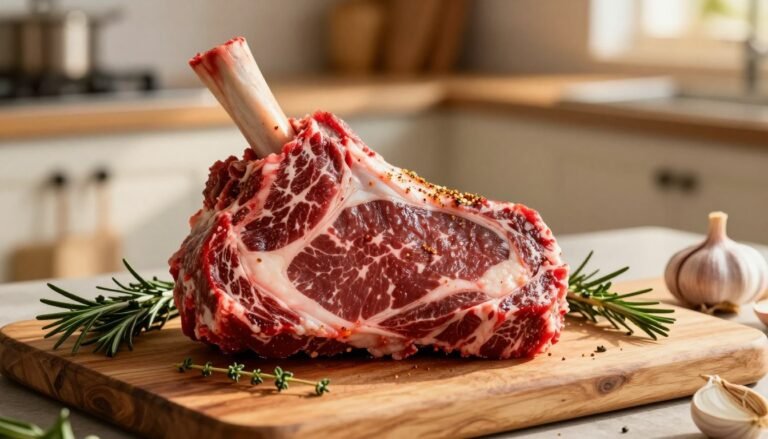
Browned bits are different from loose scraps: they carry roasted flavor and can blend into the liquid. If the beef chuck roast cooked with onions or carrots, remove large pieces before making a smooth sauce. You can save the vegetables for another use instead of pressing them through the sieve.
Check the liquid after skimming. A thin film of fat can remain, but a thick slick may separate on top of the finished gravy. Keep the strained juices and discard only the solids you do not want in the finished sauce.
Which Thickener Gives You the Gravy You Want?
Choose cornstarch when you want a glossy finish quickly, and flour when you prefer a more opaque, roux-based gravy. Texture is the main difference, so pick the method that suits the plate. Both can thicken beef gravy when you add them carefully.
Cornstarch makes gravy glossy and translucent, while flour creates a richer, more opaque sauce. Flour needs longer cooking to lose its raw taste. The best pot roast gravy recipe depends on whether you want a clear sheen or a more traditional finish.
Cornstarch for a Glossy, Translucent Finish
A cornstarch slurry works well when you want a quick result and a smooth shine. Mix the starch with cold water before adding it to hot liquid. This helps it blend in instead of forming dry clumps.
Keep whisking as the gravy thickens, then let it cook briefly. Cornstarch thickened gravy can lose some body if it boils for too long. Add the slurry in small portions so you can stop at the gravy consistency you prefer.
Flour and Butter for a Richer Roux
For pot roast gravy with flour, you can mix equal parts butter and flour into a paste, then add it gradually to simmering liquid. One example uses 2 tablespoons of each. This paste thickens the liquid, but it is not the same as a roux cooked first.
For roux thickening, cook flour and fat together before adding liquid. Stir the mixture until it combines, then whisk in broth or drippings. This makes a more traditional, opaque gravy with a fuller feel.
An old-fashioned pot roast gravy recipe made with flour needs enough simmering time to cook away the flour taste. Keep the heat gentle and stir often, especially near the bottom of the pan. Whichever thickener you choose, add it gradually so you can stop when the gravy reaches the body you want.
How to Make Gravy From Roast Drippings
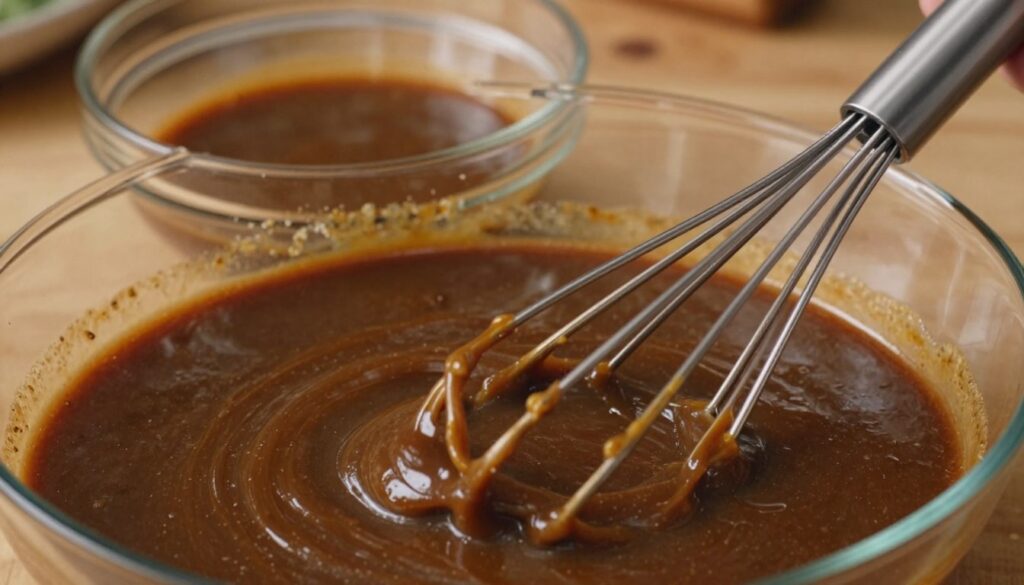
For a 2-cup batch, make a smooth cornstarch slurry before adding it to the hot liquid. Use cold water so the starch mixes evenly before it meets the heat. This pan drippings gravy method also works with beef broth.
For 2 cups of beef drippings or broth, whisk 2 tablespoons cornstarch into 1/4 cup cold water. A pot roast gravy with cornstarch can use pan juices, while a classic roast beef gravy recipe can follow the same steps. Measure the liquid before you start.
- Measure 2 cups of strained drippings or beef broth into a saucepan.
- Whisk 2 tablespoons cornstarch with 1/4 cup cold water until smooth.
- Bring the drippings to a boil over medium heat.
- Whisk in the slurry gradually, adding only as much as needed.
- Cook the gravy for another 1-2 minutes after it thickens.
Keep the whisk moving while you pour, especially around the edges of the pan. The gravy may look thin at first, then thicken as the hot liquid reaches the starch. Stop adding slurry once the sauce coats a spoon the way you like.
Pour the finished gravy into a warm serving dish if you are not serving it at once. Give it a quick stir before serving if it sits briefly. Taste the finished gravy after thickening, since reducing liquid can concentrate its saltiness.
Can You Make Gravy From Pot Roast Cooking Liquid?
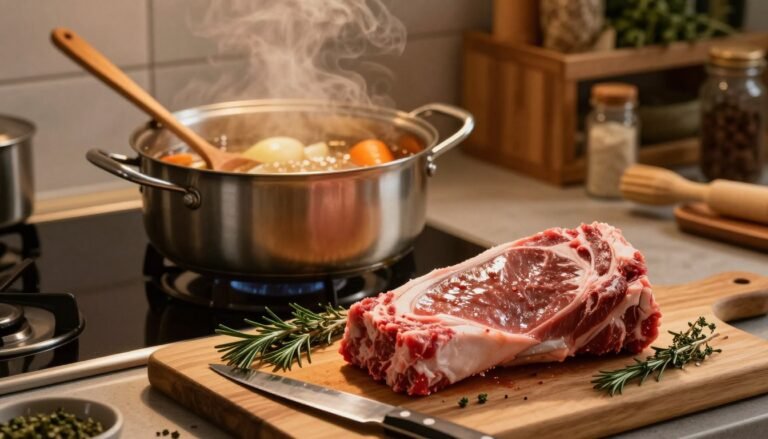
Pot roast cooking liquid already carries the flavor of the meat, vegetables, and braising liquid. You can use the whole mixture for a hearty sauce, including cooked carrots and onions. Choose blending for a rustic texture or straining for a smoother gravy.
Blending cooked vegetables into the liquid makes a thicker, fuller sauce without relying only on starch. Slow cooker juices can also supply the liquid base. If the sauce is thin, add a cornstarch slurry and bring it to a boil.
Blend the Vegetables Into the Liquid
Transfer the pot roast cooking liquid and cooked vegetables to a blender, then blend until smooth. Carrots and onions add body and a mild sweetness, while the meat juices keep the beef taste present. Work in batches if the liquid is hot, and follow your blender’s safety instructions.
Wine and broth can also be part of the braising liquid. One beef chuck roast recipe uses 1 cup dry red wine and 6 cups beef stock with a 4-5 lb roast. Those amounts are one recipe example, not a fixed formula for every pot.
Strain the Liquid for a Smoother Gravy
For a smooth finish, strain the liquid and leave the cooked vegetables out of the sauce. To thicken a thin blended sauce, mix 2 tablespoons cornstarch with 1/4 cup cold water, then stir it in. Bring the gravy to a boil as it thickens.
Blend only a small portion of the vegetables if you want some texture without a fully rustic sauce. Add more in stages, then pause to check how the gravy pours. Blend only as much of the cooked vegetables into the sauce as you want in its final texture.
How to Make Beef Gravy Without Drippings
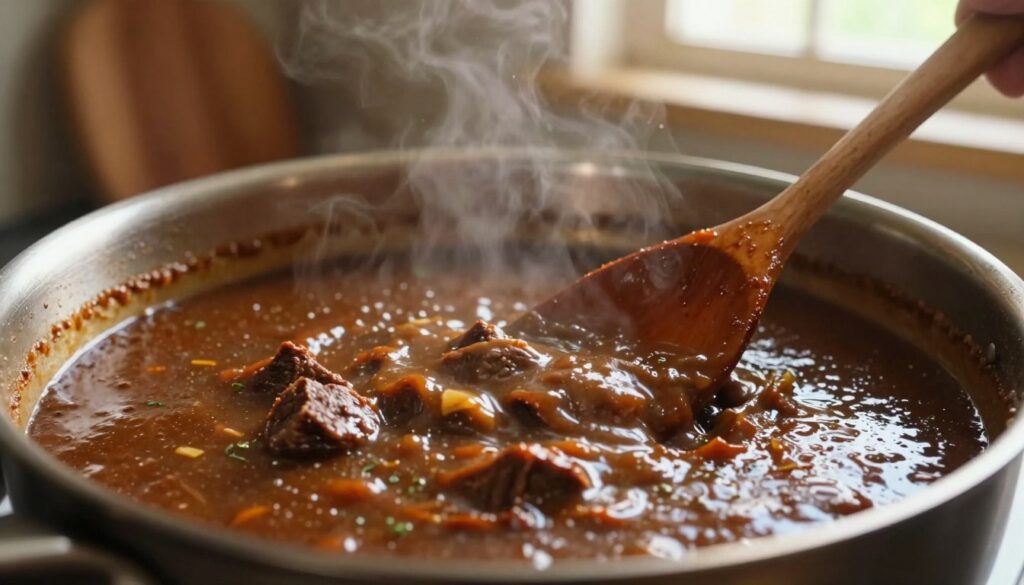
Beef broth gives you a usable gravy base even when the roasting pan is empty. Start with broth, then build flavor with beef base, bouillon, or another savory ingredient. An easy beef gravy recipe from scratch does not require roast drippings.
Bring the broth to a boil, lower it to a simmer, season it, then thicken it with your chosen method. For 2 cups, 3-4 teaspoons of Better than Bouillon Beef Base can add a stronger beef taste. Add a little at first and taste as you go.
Use any of these options to build a quick beef gravy before thickening:
- Beef base stirred into broth
- Bouillon dissolved in the warm liquid
- Pan juices saved from an earlier roast
- A small amount of cooked onion blended into the broth
Once the broth simmers, stir in your flavor choice and let it blend into the liquid. Thicken with a cornstarch slurry for a glossy sauce or a roux for a more opaque one. Keep the heat low while you whisk so the gravy stays smooth.
Beef broth can taste mild on its own, so a small amount of beef base or bouillon can make the sauce more savory. Add those seasonings in stages rather than pouring them all in at once. Taste before adding salt because bouillon and beef base can already be salty.
How Long to Cook Pot Roast for Gravy?
A 3 lb roast takes about 2 1/2 to 3 hours to bake, while larger roasts need longer. These are oven times for a covered pot roast, not a fixed minutes-per-pound rule. The size of the beef chuck roast gives you a useful starting range.
Bake a 4 lb roast for 3 to 3 1/2 hours, or a 5-6 lb roast for 3 1/2 to 4 hours. Use tenderness and internal temperature to check doneness, rather than time alone. A roast that is done should pull apart easily with two forks.
Use these oven-baking ranges as a guide:
- 3 lb roast: 2 1/2 to 3 hours
- 4 lb roast: 3 to 3 1/2 hours
- 5-6 lb roast: 3 1/2 to 4 hours
Pot roast cooking time can shift with the roast’s shape and how steadily the oven holds heat. A thick, compact roast may need more time than a flatter one of the same weight. Keep the pot covered while it bakes so the meat stays in its braising liquid.
Check the center with a meat thermometer if you need another doneness check. Pot roast is done at 200-210°F when it pulls apart easily with two forks. Check that the meat pulls apart easily with two forks before relying on its juices for the gravy.
How to Season Gravy Without Losing the Beef Flavor
Taste the gravy before seasoning because the roast juices may already be concentrated. Start with a small pinch of salt and black pepper, then taste again before adding more. This keeps seasoning adjustments from covering the beef flavor.
Add salt and pepper in small increments, not all at once. A gravy that tastes bland may need more depth, not just more salt. Worcestershire sauce can add a savory, tangy note, so use only a little at a time.
Think about what is missing before changing the seasoning. If the beef flavor feels faint, a few drops of Worcestershire sauce may help more than another shake of salt. If the sauce tastes flat, black pepper can add warmth without changing its main flavor.
Let each small addition dissolve, then taste from a clean spoon. A quick stir can spread the seasoning through the pan, but the first taste after stirring may still be uneven. Make the final seasoning adjustment after the gravy has reached its finished thickness.
How to Make Poor Man’s Gravy
Poor man’s gravy is a simple milk gravy built from butter, flour, and whole milk. It is white gravy, not beef gravy made from roast drippings. It is also called white pepper gravy, sawmill gravy, and milk gravy.
Use 3 tablespoons butter, 3 tablespoons all-purpose flour, and 2 cups whole milk. Cook the butter and flour together first, then whisk in the milk gradually. This forms a roux before the milk goes into the pan.
Build the Butter-and-Flour Roux
Melt the butter in a saucepan over medium heat. Sprinkle in the flour and stir until the two form a smooth paste. Keep stirring as the mixture cooks, so the flour blends with the butter instead of clumping.
Cook the roux until it looks evenly mixed and smells mild, not raw. Do not let the flour burn or turn very dark, since this gravy should stay pale. Lower the heat if the butter starts to brown too fast.
Whisk in Milk and Season
Pour in the whole milk a little at a time while whisking. The mixture may look thick at first, then loosen as more milk joins the roux. Keep whisking until the gravy is smooth.
- 3 tablespoons butter
- 3 tablespoons all-purpose flour
- 2 cups whole milk
- Black pepper for the familiar finish
Let the sauce simmer gently until it reaches the thickness you like. Stir along the bottom of the saucepan so milk does not scorch there. Season the milk gravy with black pepper to give it the familiar peppery finish.
What to Serve With and How to Store Gravy
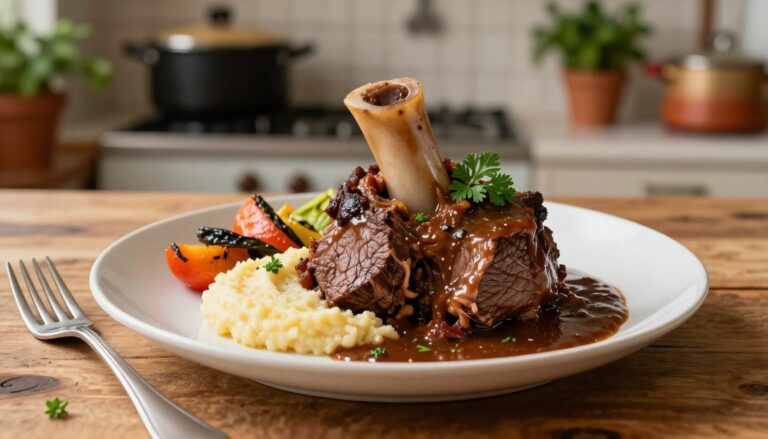
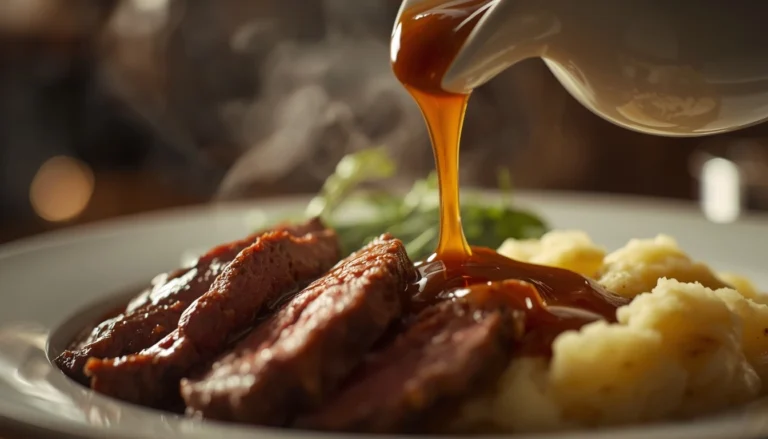
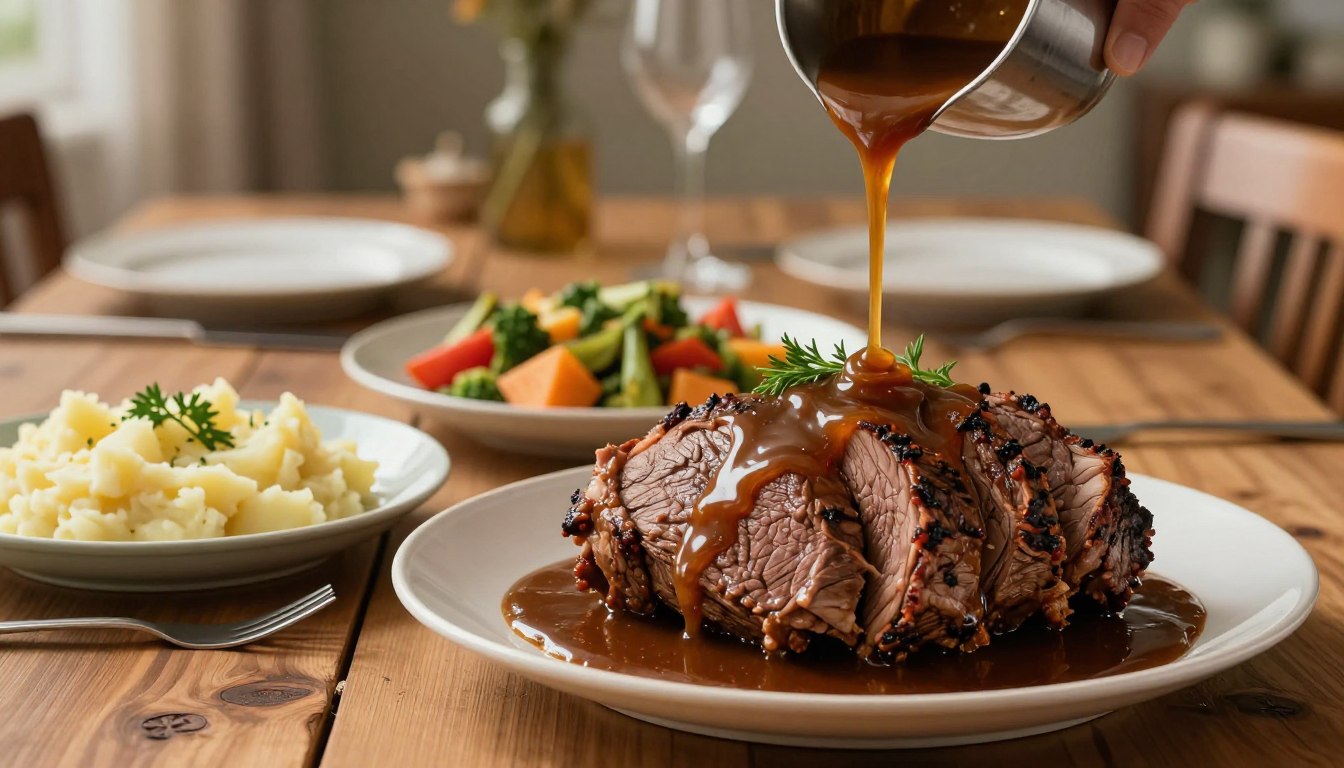
Pour the gravy over mashed potatoes, pot roast, or another side that can catch the sauce. Its savory flavor also fits roasted carrots, biscuits, and egg noodles. Spoon it at the table so each person can add the amount they want.
Refrigerate perishable leftovers within 2 hours, and use refrigerated gravy within 3-4 days. Gravy thickens as it cools, so loosen it with a small splash of broth as you reheat it. Warm leftovers to 165°F before serving.
Store leftover gravy in a covered container in the refrigerator. Reheat it on the stove over low heat, stirring as it warms. Add broth a little at a time until the sauce pours easily again.
Use a shallow container if you have a large amount, since it helps the gravy cool more quickly. Do not leave the serving dish out while the meal stretches on. Refrigerate leftover gravy promptly in a covered container.
Conclusion
Rich pot roast gravy comes from a flavorful liquid and a careful finish. Roast drippings bring the taste of the pan, while beef broth works when drippings are unavailable. Choose cornstarch for a glossy finish or flour for a more opaque, rich sauce.
Keep your next step simple: decide which liquid you will use, then set out the thickener before cooking. A little planning makes it easier to serve the sauce at the right texture. Set out the gravy ingredients before the roast is done so you can serve the sauce while it is hot.
FAQ
How do I turn my roast juice into gravy?
How much cornstarch to thicken 2 cups of liquid for gravy?
What are the three ingredients in gravy?
What is the 3:2:1 rule for gravy?
How to make poor man’s gravy?
How to make a quick beef gravy from scratch?
What Did You Think? Rate This Recipe
Absolutely Tender and Packed with Flavor!
I followed this guide step by step and the beef shank came out amazingly tender and full of flavor. The tips on maintaining moisture made all the difference. Highly recommended for anyone trying this cut for the first time!