Easy Homemade Beef Tips Recipe and Gravy
Table of Contents
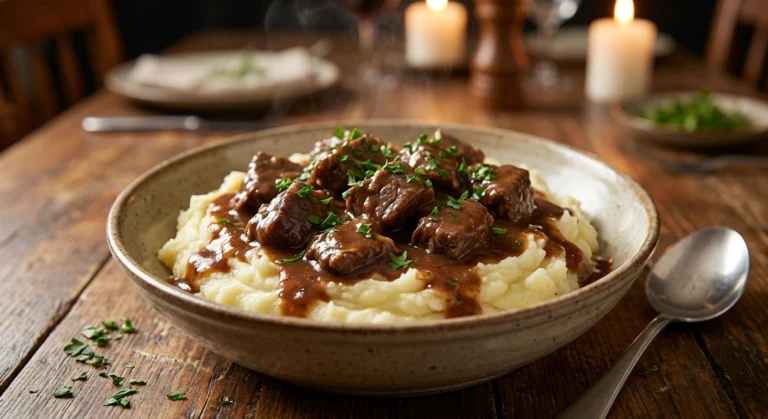
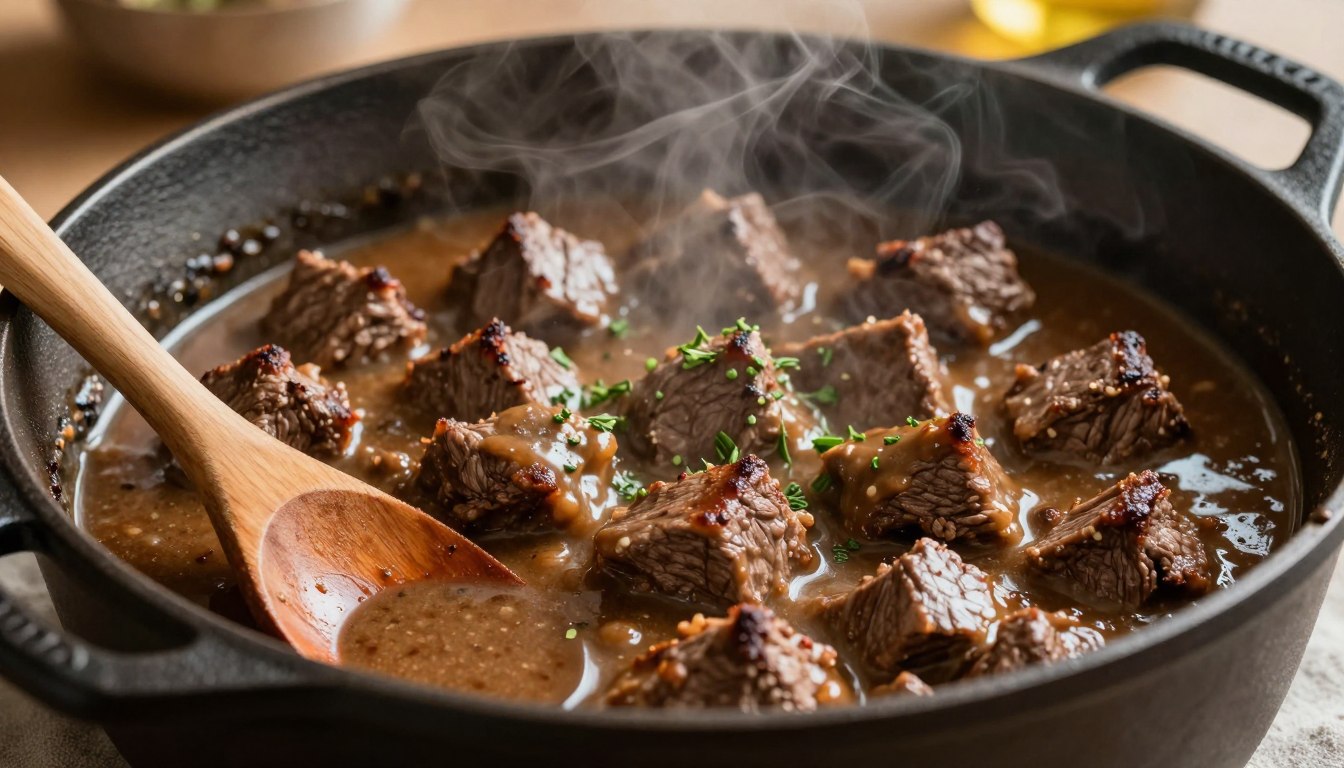
A pot of browned beef and savory gravy turns a simple weeknight meal into satisfying comfort food. When your day has been long, a warm dinner that cooks in one pot can make the evening feel easier. This beef tips recipe gives you tender meat and rich, homemade gravy without a complicated process.
You’ll make it on the stovetop, where browning the beef and cooking the gravy in the same pot build deep flavor. Braising means browning meat, then cooking it slowly in liquid until tender. A slow braise gives chuck time to soften, while the gravy takes on the savory taste of the beef and browned bits.
Serve the finished dish over mashed potatoes, rice or egg noodles to catch every bit of gravy. The hands-on steps are simple, but the pot needs time to simmer. Choose the stovetop method when you want to build flavor in the same pot as the beef cooks.
Which Cut of Meat Makes the Best Beef Tips?
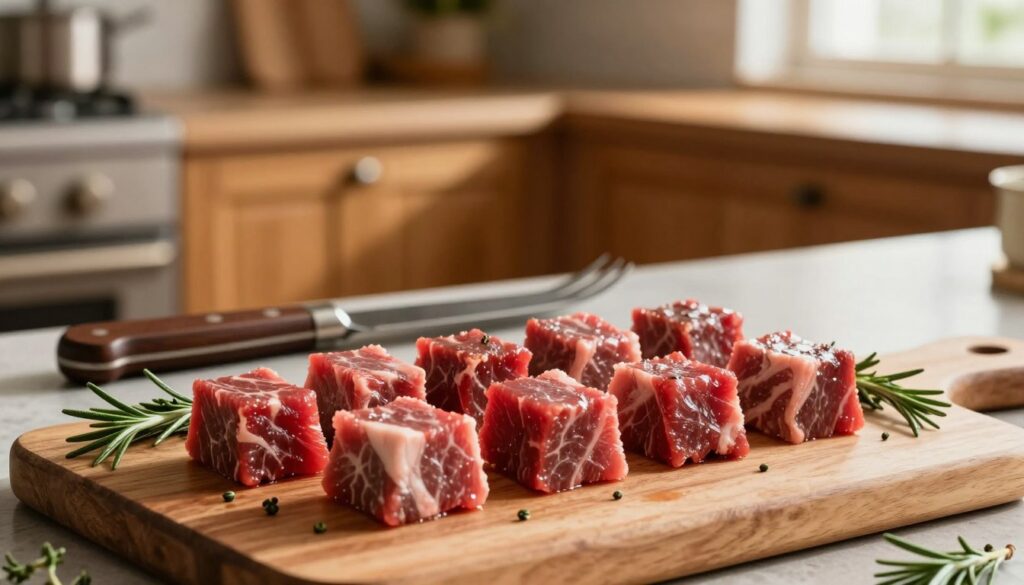
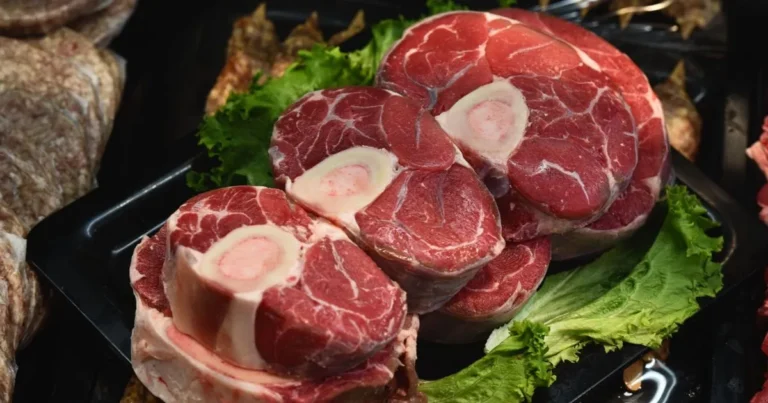
For a long, tender braise, choose chuck roast; for a quicker stovetop dinner, choose sirloin or tenderloin. The label beef tips can mean different cuts, so the package name alone does not tell you how the meat will cook.
Chuck is best for a slow, rich braise, while sirloin is better for a quicker stovetop method. Grocery-store packages may be labeled beef tips or stew meat, even when the exact cut is not listed.
Sirloin and tenderloin for quicker cooking
Beef tips can refer to the ends of tenderloin or sirloin, which are naturally more tender than many braising cuts. These pieces suit a fast stovetop cook, then a brief finish in gravy. Keep an eye on them, since a long simmer can make tender meat dry.
Choose clearly labeled sirloin or tenderloin when you want to know what cut you are buying. A package marked only “beef tips” may not contain either one. The meat could need a longer cook than the name suggests.
Chuck roast and stew meat for braising
Chuck roast has marbling, or small streaks of fat within the meat, that help it stay rich during a slow braise. Cut a whole roast into 1½-inch cubes if you cannot find pre-cut pieces. Chuck roast is marbled and works well in a slow braise.
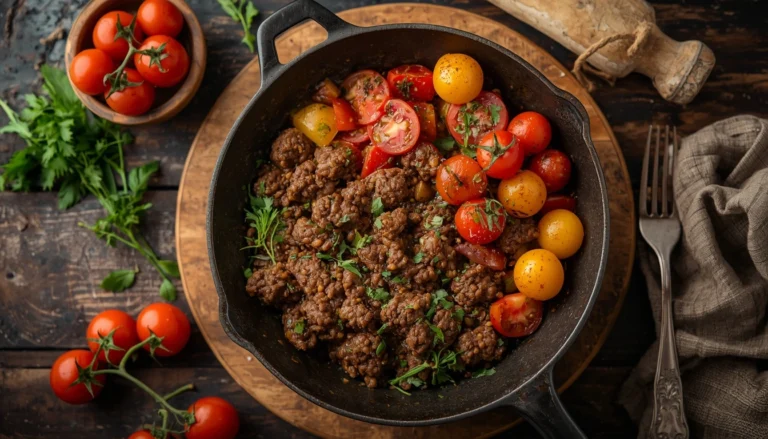
Stew meat may come from chuck or round roast, so tenderness can vary from package to package. Look for visible marbling and pieces that are close in size. Even cubes cook at a similar pace, which helps prevent small pieces from drying out first.
| Cut or label | Typical tenderness | Best cooking approach | What to check |
|---|---|---|---|
| Sirloin or tenderloin | More tender | Quick stovetop cooking | Choose clearly labeled meat |
| Chuck roast | Marbled | Braise slowly | Cube into 1½-inch pieces |
| Stew meat | May be tougher | Longer cooking in liquid | Check marbling and even size |
If the package only says stew meat, plan to cook it in liquid long enough to soften the tougher pieces.
How to Make a Beef Tips Recipe on the Stove
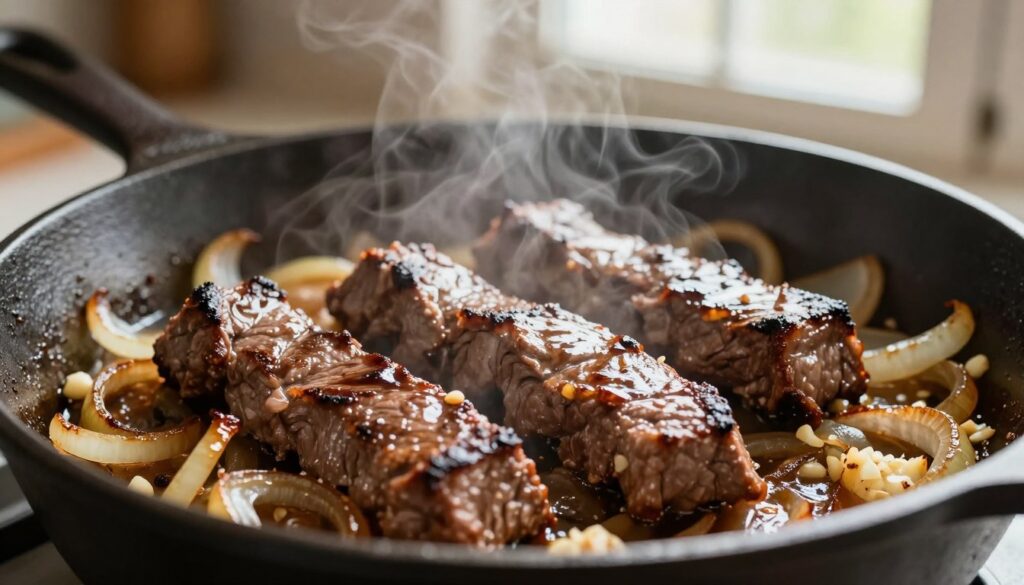
You can make deeply flavored stovetop beef tips by browning the meat first, then simmering it in gravy until tender. This hands-on method serves 4-6 and takes about 10 minutes to prep, plus 2-2½ hours to cook.
Keep the pot roomy and brown the beef in batches, so the pieces sear instead of steam. An easy beef tips recipe needs browned beef and a simple broth-based gravy, not a long list of extra steps.
For the chuck recipe, gather 2½-3 pounds chuck roast, 2 tablespoons vegetable oil, 2 tablespoons butter, 1 diced onion, 3 garlic cloves, and ¼ cup flour. You’ll also need 3 cups low-sodium beef broth, 1 tablespoon low-sodium soy sauce, 1 tablespoon Worcestershire sauce, thyme, salt and pepper.
- Season the chuck with salt and pepper. Heat the oil in a heavy pot over medium-high heat, then brown the beef in batches for 2-3 minutes per side. Transfer each batch to a plate.
- Add the butter and onion to the same pot. Cook for 3-5 minutes, stirring to loosen browned bits. Add the garlic and cook for 30 seconds.
- Stir in the flour and cook for 1 minute. Pour in the broth, soy sauce and Worcestershire, scraping the pot so the browned bits blend into the gravy.
- Return the beef and any juices to the pot. Bring the liquid to a gentle simmer, cover, and cook over low heat for 1 hour.
- Uncover and simmer for 45-60 minutes, stirring now and then. The gravy will thicken as the chuck cooks until tender.
A beef tips recipe on the stovetop uses a covered, low simmer followed by an uncovered finish. Keep the heat low enough to maintain a gentle simmer, rather than a hard boil. Stirring now and then helps the gravy cook evenly across the bottom of the pot.
For a quicker sirloin method, brown the cubes for 30-45 seconds per side, then cook them in the gravy for 10-15 minutes. The best beef tips recipe for a shorter cook uses sirloin; chuck suits a longer braise. Stew meat needs a longer braise after browning, since its pieces may be tougher than sirloin.
Let the chuck finish uncovered until a fork slides through it easily and the gravy coats the beef.
How Do You Make Beef Tips in a Slow Cooker?
For the easiest hands-off version, combine chuck with onion soup mix, mushroom soup and beef broth, then cook it on low. The low setting gives a tougher cut more time to soften in the braising liquid.
Cook chuck low and slow for the best chance of tender beef. A high setting may finish sooner, but it can leave the meat less tender.
Four-ingredient chuck and gravy
For this easy beef tips recipe slow cooker version, use 1½ pounds chuck, 1 packet dry onion soup mix, one 10.5-ounce can low-sodium cream of mushroom soup and one 14-ounce can low-sodium beef broth. A 5- or 6-quart slow cooker fits this amount well.
Stir the soups and broth together, then add the chuck. Cover and cook on low for 8 hours. This is a handy pantry option when you want a rich sauce without browning the meat or measuring several seasonings.
Stew meat with onion and brown gravy
For a 4-quart cooker, combine 2 pounds stew meat, one 10.75-ounce can cream of mushroom soup, 2 packets brown gravy mix, 1 bouillon cube, 1 cup water and 1 small chopped onion. Stir the sauce together, add the beef, cover and cook on low for 7-8 hours.
This version uses stew meat and brown gravy mix for a savory, ready-to-serve sauce. Check the beef near the end of the cook. The pieces should soften before you serve them.
From-scratch mushroom gravy
For homemade mushroom gravy, add 2 pounds chuck, 8 ounces mushrooms, 1 onion, seasonings, Worcestershire, pepperoncini and 2 cups stock to the cooker. Cook on low for 5-7 hours or high for 3-4 hours.
The mushrooms and onion add flavor as they cook with the beef. A four-step slow-cooker routine keeps the setup clear:
- Combine the sauce ingredients in the cooker.
- Add the seasoned beef and turn it to coat.
- Cover and cook on the setting and time for your recipe.
- Thicken the gravy at the end if you prefer a heavier sauce.
Use the low setting when tenderness matters more than shaving a few hours off the cooking time.
Can You Make Beef Tips in the Oven or a Pressure Cooker?
Yes, you can cook beef tips in a covered oven-safe pot or pressure cooker when those methods suit your schedule. A covered pot traps moisture, helping the braising liquid soften the beef as it cooks.
For oven beef tips, cover the pot and cook long enough for the cut to become fork-tender. The time changes with the method and cut, so use the ranges below as a guide.
Soup-based stovetop and oven conversions
A soup-based beef tips recipe can cook on the stovetop or in the oven. On the stove, cover the pot and simmer on low for about 1 hour. For the oven, use a covered oven-safe pot at 400°F for about 1 hour.
Another covered oven recipe cooks at 375°F for 1½-2 hours. These times apply to those recipe methods, not every pot of beef tips. Check that the meat has softened before serving.
Dutch oven and pressure cooker methods
A Dutch oven works well for a covered braise in the oven. Cook it at 325°F for 1 hour 45 minutes-2 hours, or at 300°F for 2½-3 hours.
A pressure-cooker version uses 2 pounds beef, 4 cups beef broth and ¼ cup Worcestershire. Add 1 cup mushrooms if you like. Cook at high pressure for 35 minutes, then allow 10 minutes of natural release.
| Method | Vessel or setup | Heat setting | Timing |
|---|---|---|---|
| Soup-based stovetop | Covered pot | Low heat | About 1 hour |
| Soup-based oven | Covered oven-safe pot | 400°F | About 1 hour |
| Dutch oven | Covered | 325°F | 1 hour 45 minutes-2 hours |
| Dutch oven | Covered | 300°F | 2½-3 hours |
| Pressure cooker | High pressure | 35 minutes | Plus 10 minutes natural release |
Check tenderness rather than relying on the clock alone, since the cut and recipe method change the finish time.
How Do You Serve Beef Tips Over Rice or Potatoes?
Beef tips and gravy work especially well over rice, where the grains soak up the savory sauce. This rice-based dinner pairs cooked beef with onion, broth and seasonings, then thickens the gravy before serving.
For this rice version, use 2 pounds sirloin or chuck and serve the beef over prepared rice. The amounts below belong to this recipe, not the main chuck recipe.
Make a stovetop beef tips and rice dinner
Gather 2 pounds sirloin or chuck, 2 tablespoons oil, 1¼ cups chopped onion, 2 cups beef broth and 1 tablespoon Worcestershire sauce. Add ½ teaspoon garlic powder, 2 bay leaves, ¼ teaspoon ground allspice and prepared rice.
Brown the beef in the oil, then cook the onion until softened. Add the broth, Worcestershire, garlic powder, bay leaves and allspice. Simmer until the beef is tender, then remove the bay leaves before serving.
To thicken this version, mix ½ cup water with 4 tablespoons flour until smooth. Stir the slurry into the gravy and cook until it thickens. Spoon the beef and sauce over prepared rice for a complete beef tips and rice dinner.
Choose a base that catches the gravy
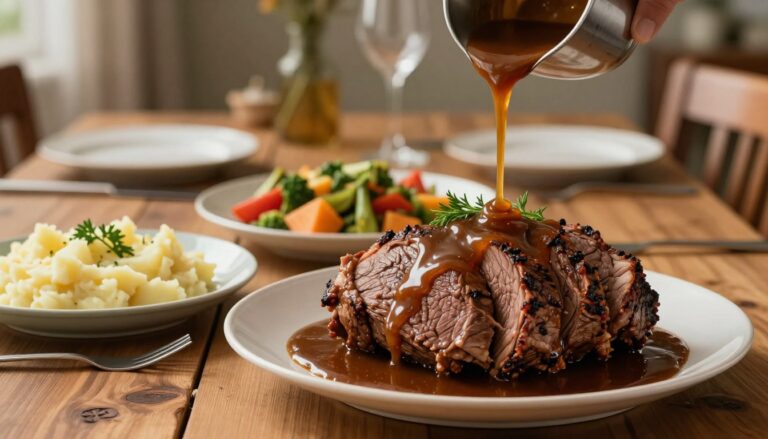
Mashed potatoes make a soft, filling base that holds plenty of gravy. Egg noodles offer a springy bite and are easy to toss with the sauce. Rice keeps the dish simple and gives each grain a light coating of gravy.
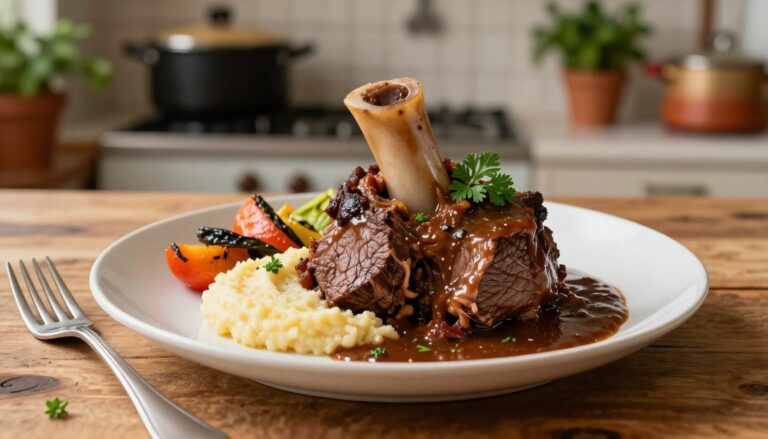
Polenta or grits make a smooth base with a mild corn flavor. Crusty bread works when you want to mop up sauce from the plate. Roasted vegetables, such as carrots or green beans, are a side rather than a base.
Keep the beef and gravy hot until serving so the base is ready to catch the sauce.
How Can You Make Beef Tips Tender?
The most dependable way to make tough beef tips tender is to braise them slowly in liquid until fork-tender. Chuck and other tougher cuts need enough low, slow cooking for their texture to soften.
Sirloin needs less cooking and can turn dry if you leave it in the pot too long. Acidic marinades can help tenderize meat, but they do not replace matching the cook time to the cut.
A 2024 study of 192 beef samples found that 24-hour marination earned the highest sensory-panel scores for tenderness and juiciness across multiple muscle types. The 24-hour marination result does not mean every cut or marinade responds the same way.
In a 2024 citrus-marination study, Warner-Bratzler shear force fell from 178 to 44 N cm⁻², while soluble collagen rose from 9% to 29%. Acid can lower pH and weaken muscle structure. It may also create a sour flavor or an unwanted color change.
You can season or marinate beef tips with a few common combinations:
- Citrus juice with oil for a bright, balanced marinade.
- Vinegar with oil for a sharper, acidic mix.
- A salt-forward seasoning for even flavor throughout the meat.
- Garlic and herbs for savory aroma without added acid.
Salt is the most useful single ingredient for seasoning, while acid is the tenderizing part of an acidic marinade. A sour taste or color change can signal that the acid has gone too far.
For an acidic marinade, keep the flavor balanced and avoid treating a longer soak as a guarantee of better texture.
How Should You Store and Reheat Beef Tips?
Cool leftovers promptly and store the beef and gravy in an airtight container. Beef tips and gravy keep in the refrigerator for up to 3 days or in the freezer for up to 3 months.
Store rice separately from the beef and gravy when saving a beef tips and rice meal. This separate storage helps keep the rice from soaking up all the sauce before you reheat it.
Beef tips and rice can be refrigerated for up to 5 days when the rice stays apart from the beef and gravy. Place each part in its own airtight container once cooled. Mark the containers so you can use the older portions first.
Reheat the beef and gravy gently in a saucepan over low heat. Add a splash of broth or water if the gravy has thickened in the refrigerator. Stir as it warms, and stop once the food is hot throughout.
The safe temperature rule for whole cuts is different from the texture check for braised beef. Steaks, chops and roasts should reach 145°F with a food thermometer, then rest for at least 3 minutes before serving. That rule applies to whole cuts, not as a tenderness target for braised beef tips.
Label frozen portions with the date so you can use them within the 3-month storage window.
How Do You Fix or Customize Beef Gravy?
Adjust gravy in small additions so you can control its thickness without overwhelming the beef. If it is thin, simmer it uncovered to reduce; if it is too thick, stir in a splash of broth or water.
For a quick thickener, mix 3 tablespoons cornstarch with ¼ cup cold water. Stir the slurry into the simmering gravy a little at a time. This differs from a butter-and-flour roux, which cooks flour in fat before adding liquid.
For a richer finish, add about ⅛ cup cream or 1 tablespoon cold butter at the end. Soy sauce can replace Worcestershire for a savory note. Red wine is optional, and broth works as a nonalcoholic substitute.
Taste before adding more salt, since broth and seasonings already contribute saltiness.
Conclusion
A tender, gravy-rich dinner starts with matching your cut of beef to the time you have. Chuck suits a slow braise, while sirloin works for quicker stovetop cooking. Either can make comforting weeknight food when you give the cut the right amount of cooking.
Choose the method and side that fit your evening. Mashed potatoes, rice and egg noodles all make a good home for the gravy. Keep the plan simple and let the beef be the main part of dinner.
Pick up chuck for a slow braise or sirloin for a quicker stovetop meal, then serve it over the base your household enjoys.
FAQ
What is the best way to make beef tips tender?
Do beef tips get more tender the longer they cook?
What are some 4-ingredients beef tips?
What cut of meat makes good beef tips?
What’s another name for beef tips?
What’s a good marinade for beef tips?
What is the no. 1 ingredient for marinating meat?
What is the best recipe for steak tips?
Ready to master more kitchen favorites? Explore all our tested chicken and beef recipes step by step read more
What Did You Think? Rate This Recipe
Absolutely Tender and Packed with Flavor!
I followed this guide step by step and the beef shank came out amazingly tender and full of flavor. The tips on maintaining moisture made all the difference. Highly recommended for anyone trying this cut for the first time!