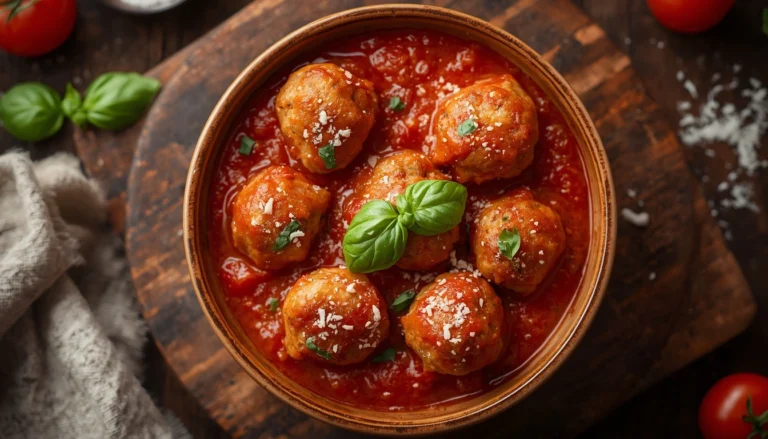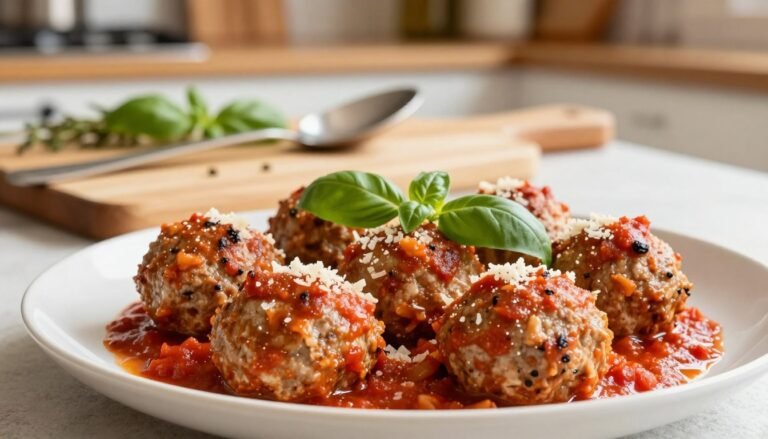
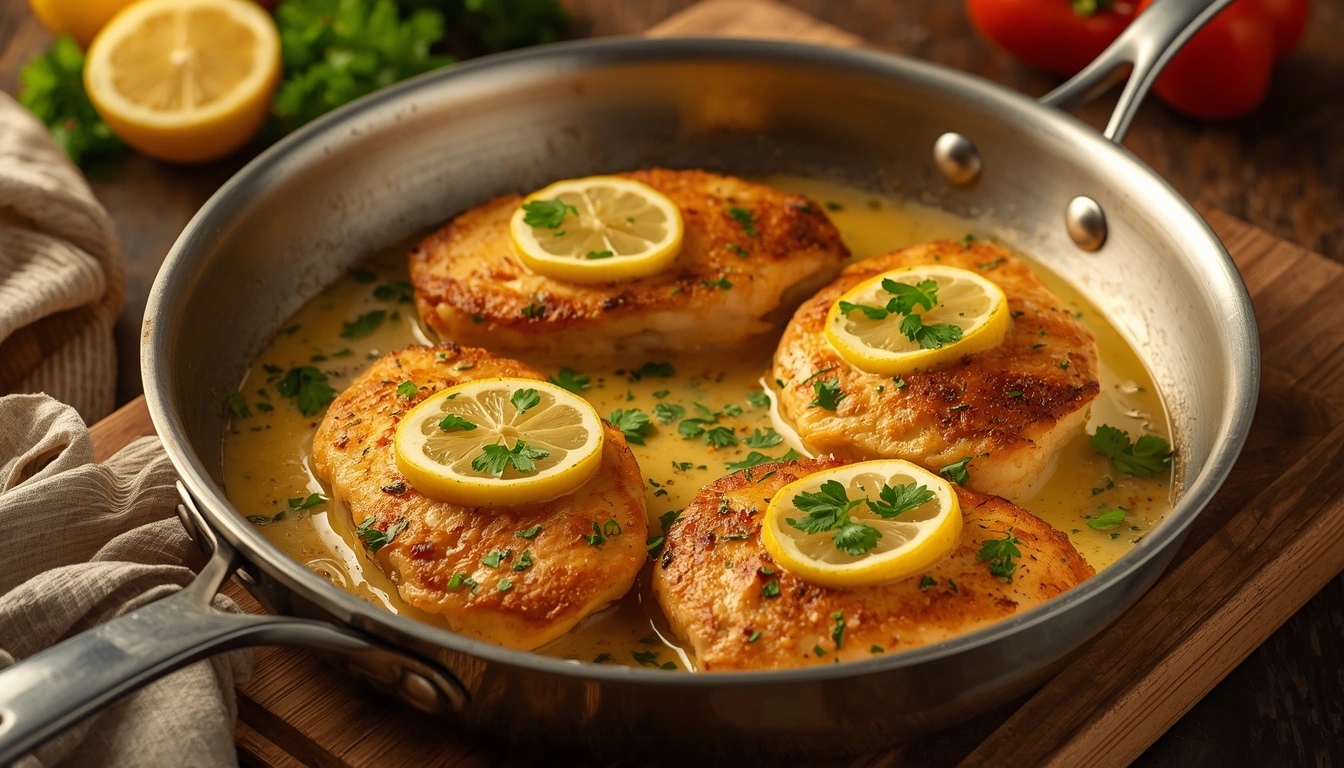
Skillet Chicken Francese Recipe with Lemon Butter Sauce
Table of Contents
You can make a delicious Skillet Chicken Francese at home with crisp, golden cutlets and a lemony pan sauce in about the time it takes to prepare a weeknight dinner. This Italian-American skillet meal brings bright lemon flavor to tender chicken, with a coating that stays light when you follow the right order. The dish feels special enough for guests, yet the steps fit a regular evening at home.

francese sauce
The francese sauce gets its fresh taste from lemon and butter, while browned bits from the pan add depth. You can serve the cutlets straight from the skillet or move them to a platter for dinner. An egg wash is a coating of beaten eggs that goes onto the chicken after the flour dredge. The key to the signature coating is to flour each cutlet before dipping it in egg.
How Is Chicken Francese Different from Chicken Piccata?
Choose Chicken Francese when you want an egg-coated cutlet, and choose piccata when you want capers and a simpler flour dredge. The coating is the clearest difference in piccata versus francese, though both dishes pair chicken with a lemon-forward sauce.
Francese uses flour first, then egg, while piccata usually uses flour alone and includes capers. That difference changes the cutlet’s texture and the flavor of the finished plate. Francese’s coating turns soft and golden around the chicken, while capers give piccata a briny, sharp note.

Flour and egg coating choices for an Italian-American lemon chicken dish
Both are Italian-American lemon-sauce dishes, but their names do not mean the same recipe. The Italian-American lemon butter sauce for Francese is smooth and buttery, while piccata commonly has capers in its lemon sauce. Either can make a satisfying skillet dinner, so choose based on the flavor and coating you want.
A chicken francese recipe suits you if you like an egg layer that gives each cutlet a richer, more delicate outside. Piccata is a better fit when you prefer capers and a simpler coating. You can also serve either dish with starches that catch the sauce, but the sauces will not taste alike. If the egg coating is the feature you want, Francese is the better match.
Which Cutlets and Ingredients Do You Need?
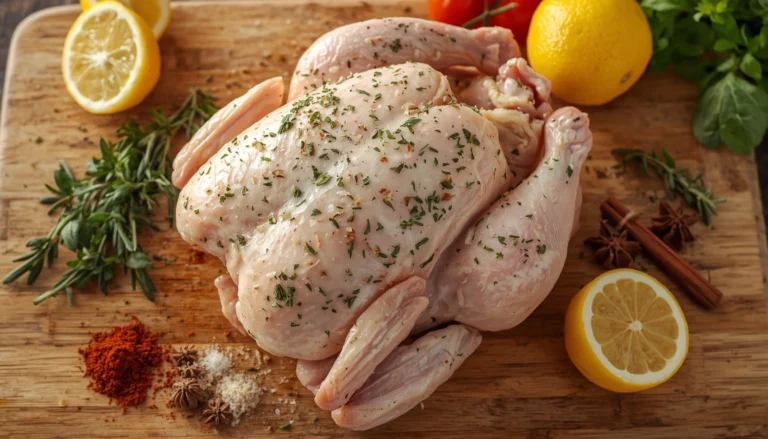
For four dinner portions, start with 1 1/2 pounds of chicken cutlets and arrange the coating ingredients within easy reach. Even pieces help you cook the chicken at a steady pace, without waiting for a thick piece while a thin one dries out.

Chicken cutlets and flour ready for a weeknight skillet dinner
Choose evenly sized chicken cutlets
Pick chicken cutlets that are close in thickness so they cook at a similar pace. Thin, boneless pieces are handy for this chicken francese recipe because they brown quickly and fit neatly in a skillet.
If you have boneless chicken breasts, slice them lengthwise into thinner pieces. You can gently pound any thick spots later, so each cutlet cooks more evenly. Aim for a similar size, rather than forcing every piece into the same shape.
Set out 1 1/2 pounds of chicken cutlets, 1/2 cup flour for dredging, and 2 eggs for the egg wash. For the rest, gather salt, pepper, lemon, butter, chicken broth, dry white wine, and a neutral cooking oil.
Set up a clean breading station
Place flour and eggs in separate shallow dishes with room to handle each piece. Keep a clean platter nearby for the prepared chicken, and leave space beside the stove for your skillet.
A few basic tools make this skillet dinner easier to manage. Set out:
- A large skillet
- Shallow dishes for flour and eggs
- Tongs for turning the cutlets
- An instant-read thermometer
Keep raw-chicken tools and the cooked-chicken platter separate to avoid cross-contamination.
How Do You Prep the Egg Batter for Chicken Cutlets?
Even thickness matters more than making every cutlet exactly the same shape. About 1/4 inch thick gives the chicken a good chance to cook evenly before the egg coating gets too dark.

Egg batter for chicken cutlets in a shallow dish beside flour
Flatten and dry the cutlets
Place each piece between sheets of parchment or plastic wrap, then gently pound any thick spots. Use a meat mallet or the bottom of a small pan, and stop when the piece is close to 1/4 inch thick.
Pat the chicken dry with paper towels before coating it. Moisture on the surface can make the flour clump instead of forming a thin, even layer. Dry cutlets are easier to handle, too.
Whisk 2 tablespoons of water into the 2 eggs to make a loose egg wash. The water helps the egg spread over the cutlet rather than forming a thick, heavy layer.
Coat each piece in flour and egg
Dust one cutlet in flour, then lift it and shake off the extra. Too much flour can turn into clumps beneath the egg, making the outside thick and uneven.
Dip the floured chicken into the egg wash and turn it to cover both sides. Lift it over the dish and let the excess egg drip away before moving it to the pan.
Work with one cutlet at a time and keep the dishes close together. If egg pools at the bottom of a dish, whisk it again so the mixture stays even. Move each coated piece straight to the skillet so the flour and egg layers stay intact.
How to Make Francese Sauce with Lemon and Wine
A good Francese sauce starts in the skillet after the cutlets come out, where the browned bits add flavor to the liquid. Use the same pan so those savory bits become part of the white wine pan sauce.
Keep the sauce at a gentle simmer until it coats the back of a spoon. Too little cooking leaves it thin, while reducing it too far can make it hard to spoon over the chicken.
Build the butter-and-flour base
After the cutlets leave the skillet, add 2 tablespoons of butter. Once it melts, whisk in 1/4 cup flour to make a smooth paste.
Cook the mixture for 2 to 3 minutes, whisking often, until it turns lightly golden. This flour-and-butter base thickens the sauce, and cooking it first takes away the raw flour taste.
Keep the heat moderate as you stir. If the flour starts to brown too fast, lower the burner before adding the liquids. A steady pace helps the base stay smooth.
Deglaze the skillet with wine and broth
Pour in 1/2 cup dry white wine and 1 1/2 cups chicken broth. As the liquid hits the pan, scrape the bottom with a wooden spoon or whisk.
This pan-cleaning step, called skillet deglazing, loosens browned bits and blends them into the sauce. Stir until the flour base dissolves, then bring the mixture to a simmer.
Let it simmer for 4 to 6 minutes, stirring now and then. The sauce is ready for the next step when it thickens enough to coat the back of a spoon.
Finish with lemon and butter
Stir in the juice from half a lemon and the remaining 1 tablespoon butter. Whisk until the butter melts and the sauce looks even and glossy.
Taste a small spoonful before adding more lemon. You want the lemon to taste bright without hiding the butter or the savory broth. A pinch of salt or pepper can help balance the flavor.
The sauce should move easily when you tilt the skillet. If it seems too sharp, add a little broth; if it tastes flat, add lemon in small amounts. Keep the finished sauce fluid enough to spoon over the cutlets rather than letting it reduce to a paste.
How Do You Fry the Cutlets Safely?
Thin cutlets usually brown in 3 to 4 minutes on each side, but use temperature rather than color to confirm doneness. Thickness and pan heat affect the timing, so check the chicken instead of relying on the clock alone.
Chicken is safe to serve when its thickest part reaches 165°F. The USDA safe minimum internal temperature for all chicken is 165°F, and golden color by itself does not prove the center is cooked.
Fry the cutlets in a single layer, leaving room around each piece. If the pan is crowded, the chicken can steam instead of browning. Cook in batches when needed, and keep finished pieces warm while the rest cook.
Use an instant-read thermometer for a direct doneness check. Take care not to touch the pan with the probe, since that can affect the reading. Check the center of the thickest part of each piece.
Use these quick checks before serving:
- Insert the thermometer into the thickest part.
- Check more than one cutlet if their sizes differ.
- Return underdone pieces to the pan.
Transfer only chicken that has reached 165°F to the clean serving platter.
How Do You Keep Lemon Butter Sauce Silky?
A lemon butter sauce stays silkier when you keep it gently warm instead of letting it boil. Low heat gives the butter and liquid time to stay mixed while you finish the meal.
High heat can break an emulsified butter sauce, leaving oily butter and thin liquid apart. An emulsion is a blend of liquids that usually do not stay mixed on their own.
Hold the sauce at a low simmer
Keep the skillet over low heat once the sauce is ready. A gentle simmer is enough to keep it warm; a hard boil can make the sauce separate.
If the cutlets need another moment before serving, lower the heat further or move the pan off the burner. Stir the sauce from time to time so it warms evenly without boiling at the edges.
Do not leave the pan on high while setting the table. A small burner adjustment can protect the sauce’s smooth texture while you finish the rest of dinner.
Whisk in butter gradually
Cold butter helps the sauce come together when you add it in small pieces. Whisk constantly as each piece melts, then add the next piece once the mixture looks smooth.
Adding all the butter at once can make it harder to blend the fat into the lemon juice. Gradual whisking helps create an emulsified butter sauce with a glossy finish.
If the sauce begins to separate, whisk in 1 tablespoon lemon juice to help bring it back together. Add it while whisking and watch for the sauce to look more even.
Use a clean spoon to check the texture before serving. A smooth sauce should cling lightly rather than run like broth or sit in oily drops. If the sauce looks glossy and holds together on the spoon, take it off the heat and serve it promptly.
Can You Make Chicken Francese Without Wine?
You can make a wine-free Chicken Francese sauce by leaving out the wine and adding lemon juice instead. Chicken broth still provides the savory base, while extra lemon gives the sauce a more direct citrus taste.
Start with 2 to 3 tablespoons of lemon juice in place of the wine. The wine-free lemon sauce will taste brighter and sharper, so add the juice in stages rather than pouring it all in at once.
Keep the broth in the sauce and leave out the dry white wine. Add the lemon juice while the sauce cooks, then taste before deciding whether it needs more.
This change keeps the sauce’s main flavors simple: butter, broth, and lemon. The result will not taste exactly like the version made with wine, since wine adds its own flavor and softens the citrus.
Take a small taste after each addition, especially if your lemon is very tart. A little more broth can soften the flavor if you have added too much lemon. Add the lemon juice gradually and taste after each addition, since extra acidity can quickly dominate the sauce.
What Can You Serve with Chicken Francese?
The easiest sides for Chicken Francese are the ones that let you enjoy every bit of the lemon butter sauce. Mild, simple sides balance the citrus and give you a place to catch the buttery juices.
Mashed potatoes, rice, pasta, and crusty bread are all good choices. Pick one based on what you have ready and how you want to serve the sauce.
Try one of these familiar sides:
- Mashed potatoes
- Rice
- Pasta
- Crusty bread
Mashed potatoes and rice provide a mild base that does not compete with the lemon. They also soak up sauce from the plate, which makes each bite more flavorful.
Pasta catches sauce in its folds and around each strand. Choose a shape that is easy to lift with a fork, then spoon a little sauce over the noodles as well as the cutlets.
Crusty bread is useful for dipping at the table. A slice can pick up sauce that would otherwise remain on the plate, and its crisp crust contrasts with the tender chicken.
Add a simple green vegetable or salad if you want a fresher contrast. Keep the side lightly dressed so it does not crowd the lemon flavor. Spoon sauce over the cutlets just before serving so the coating remains as crisp as possible.
How Should You Store and Reheat Leftovers?
Get leftover cutlets and sauce into the refrigerator within 2 hours of serving. Separate containers help you reheat each part without soaking the chicken in sauce.
Cooked chicken leftovers keep for 3 to 4 days in the refrigerator. Cover the food before chilling, and reheat only the amount you plan to eat.
Use this storage checklist after dinner:
- Refrigerate the food within 2 hours.
- Store cutlets and sauce separately in covered containers.
- Use refrigerated leftovers within 3 to 4 days.
- Reheat only the portion you plan to eat.
A skillet over gentle heat is less likely to toughen the cutlets than aggressive reheating. Warm them slowly, turning once, and avoid letting the pan get too hot.
Heat the sauce in a small pan or alongside the chicken. It may need a whisk as it warms, especially if the butter has firmed in the refrigerator.
Keep the chicken and sauce covered while they chill so they do not pick up odors from other foods. Discard cooked chicken that has been left at room temperature longer than 2 hours.
What Variations Can You Try?
You can vary the protein or the dredging flour without changing the dish’s lemon-forward character. Small swaps let you adapt the meal while keeping the same general style of Italian-American cooking.
Veal cutlets can replace chicken, and a 1:1 gluten-free all-purpose flour blend can replace wheat flour. These changes affect the main ingredient or coating, not the bright lemon sauce.
Make Veal Francese
Veal Francese uses veal cutlets in place of chicken cutlets. The tender meat pairs well with the lemon sauce, making it a traditional variation when you want a different protein.
Choose cutlets that are even in thickness so they cook at a similar pace. Use the same general preparation and sauce, while checking the meat as it cooks rather than assuming chicken timing will match.
Veal can have a mild flavor, so the lemon and butter remain clear on the plate. Serve it with a simple side that will not cover the delicate taste of the cutlet.
Adapt the coating for gluten-free cooking
A 1:1 gluten-free all-purpose flour blend can replace wheat flour for dredging. Use a blend made for direct flour replacement, and follow its package directions if they give special handling advice.
Check the label on the flour blend and on other packaged ingredients. Some products may contain gluten or carry cross-contact warnings that matter when cooking for someone with celiac disease.
Cross-contact happens when gluten reaches food through shared tools, surfaces, or ingredients. Use clean dishes and utensils, and keep the gluten-free flour away from regular flour during prep.
For a gluten-free meal, check the flour blend and every packaged ingredient for gluten and cross-contact information.
Conclusion
A few careful moves, an even cutlet, a crisp coating, and gentle heat for the sauce, make this dinner easier to manage. Even thickness helps the chicken cook at a steady pace, while low heat keeps the lemon butter finish smooth.
You do not need to rush the setup. Give yourself room to coat the chicken, and keep the sauce warm without letting it boil. Those small choices can make the skillet work feel calm and clear.
Measure your ingredients, set out the shallow dishes, and make Chicken Francese for your next dinner at home.
FAQ
Can I make Chicken Francese ahead of time?
Yes, you can prepare the cutlets and ingredients ahead, but fry the chicken and finish the sauce close to serving. The egg coating tastes best soon after cooking, before moisture softens its crisp outside. You can set out the measured ingredients and keep the prepared cutlets chilled. Finish the sauce when you are ready to serve dinner.
Can I freeze Chicken Francese?
Yes, you can freeze the cooked cutlets and lemon butter sauce separately. Separate storage helps protect the coating from extra moisture while the food freezes. Cool the food, package it in covered freezer-safe containers, and thaw it in the refrigerator before reheating. The coating may soften after freezing, so warm the cutlets gently for a better texture.
What kind of white wine works in Chicken Francese?
A dry white wine, such as Pinot Grigio or Sauvignon Blanc, works well in Chicken Francese. Dry wine adds flavor without making the sauce taste sweet. Avoid sweet white wines, which can shift the balance between lemon, butter, and broth. Use a wine you enjoy drinking, since its flavor will carry into the finished pan sauce.
Why does the coating fall off my chicken cutlets?
Excess moisture, too much flour, or letting coated cutlets sit too long can loosen the egg coating. Pat the chicken dry before coating, then shake off extra flour and let excess egg drip away. Move each coated piece straight to the skillet. These steps help the layers cling instead of sliding off during cooking.
Can I use bottled lemon juice for Francese sauce?
Yes, bottled lemon juice can work, but add it gradually and taste as you go. Bottled juice may taste sharper than fresh lemon, so the same amount can make the sauce more tart. Start with a small amount and add more only if needed. Fresh lemon also gives you zest for extra aroma, though zest is optional.
Can I make Chicken Francese in a nonstick skillet?
Yes, a nonstick skillet works for Chicken Francese. Use utensils marked safe for nonstick cookware, such as wood, silicone, or heat-safe plastic, and avoid metal tools that can scratch the surface. The coating may brown differently than it does in other pans, so watch the chicken as it cooks. Keep the pan in good shape for even heating.
Ready to master more kitchen favorites? Explore all our tested chicken and beef recipes step by step read more
What Did You Think? Rate This Recipe
Absolutely Tender and Packed with Flavor!
I followed this guide step by step and the beef shank came out amazingly tender and full of flavor. The tips on maintaining moisture made all the difference. Highly recommended for anyone trying this cut for the first time!