The Ultimate Roast Chicken Recipe: 7 Steps for Crisp Skin
Table of Contents
How to Make the Ultimate Sunday Roast Chicken with Crisp Skin
If you want to master the best roast chicken recipe, this guide will show you
The aroma of a classic Sunday dinner can fill your home with warmth. Mastering roasting a whole chicken takes care, not luck, and rewards you with restaurant-quality results. Prepare the bird well and set the oven correctly for a delicious meal each weekend.
Many home cooks use a clock to decide when their meal is ready. Instead, check that your whole chicken reaches a safe internal temperature with a meat thermometer. This simple step keeps the meat juicy and gives the skin a golden, crisp finish.
This guide covers the essential steps for a successful Sunday roast. Learn to balance your whole chicken roasting time for tender meat, make savory pan gravy, and serve golden potatoes. Rest the chicken to lock in moisture and flavor, build skills, and impress your family with this timeless, comforting meal.
Key Takeaways
- Use a digital thermometer to verify doneness rather than relying on estimated cooking duration.
- Properly drying the skinKey Takeaways before heat exposure is the secret to achieving a perfect, crispy texture.
- Allowing the meat to rest for at least twenty minutes ensures the juices redistribute evenly.
- High-heat finishes help render fat and create a deep, golden-brown color on the exterior.
- Utilizing pan drippings is the most effective way to build a rich, flavorful gravy for your dinner.
How to Prepare the Chicken for the Best Roast Chicken Recipe
Mastering the art of roasting a whole chicken begins with handling the raw bird carefully. Proper preparation helps create a succulent dish with a stunning appearance.
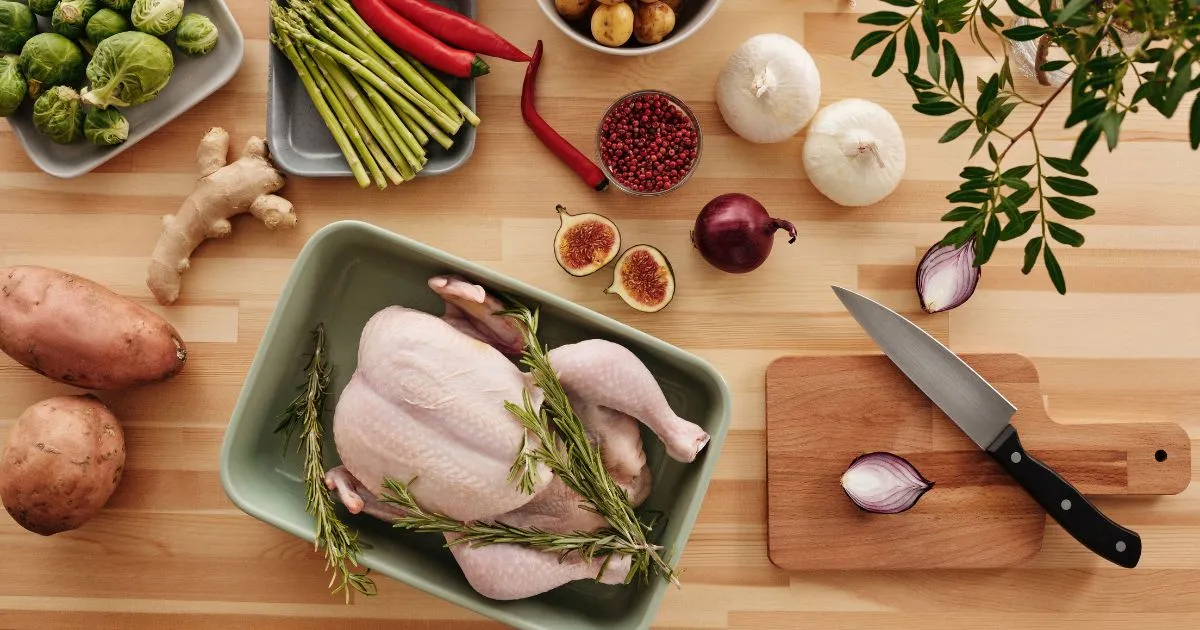
Choose the Right Whole Chicken and Remove the Giblets
Choose a high-quality bird that fits comfortably in your roasting pan. Look for plump, firm skin and a clean appearance for your tender whole chicken recipe.
Carefully remove the giblets from the main cavity. Check the neck area for extra parts tucked inside. Discard them or save them for stock, then pat the cavity dry with paper towels.
Dry the Skin Thoroughly Before Seasoning
Moisture prevents crisp skin. A damp bird steams in the oven instead of browning.
Why Air-Drying Improves Crispness
For the best texture, place the chicken uncovered on a refrigerator rack for several hours or overnight. This process dehydrates the skin, helping it render fat more efficiently and reach a perfectly golden, crackling finish.
Use Salt, Aromatics, and Fat for Maximum Flavor
Seasoning is essential for a tender whole chicken recipe that tastes as good as it looks. Apply kosher salt generously to the skin and cavity to draw out moisture and boost savory meat flavors.
Optional Additions: Lemon, Garlic, Herbs, and Butter
Add aromatics inside the cavity to improve your roasting a whole chicken experience. Consider these classic flavor boosters:
- Butter: Rub softened butter under the skin of the breast to keep the meat moist.
- Lemon: Stuff halved lemons into the cavity for a bright, citrusy aroma.
- Garlic: Use whole, smashed cloves to infuse the juices with deep, earthy notes.
- Fresh Herbs: Sprigs of rosemary, thyme, or sage add a fragrant, professional touch to your meal.
Set the Oven and Calculate the Whole Chicken Roasting Time
Good timing helps create a perfect Sunday dinner. A clear plan keeps your bird succulent and flavorful every time.
Use the Best Whole Chicken Roasting Time for the Bird’s Weight
Bird weight matters most when setting the best whole chicken roasting time. Allow about 20 minutes per pound at moderate heat. Weigh the chicken before seasoning for accurate calculations.
Calculate How Long to Roast Whole Chicken at 375°F
Roasting at 375°F balances crisp skin and tender meat. Use the weight to decide how long to roast whole chicken at this temperature. This heat renders fat without drying the breast meat.
Approximate Cooking Times for Small, Medium, and Large Chickens
Use these estimates to plan your meal. They are guidelines, and your oven may perform slightly differently.
| Chicken Size | Weight (lbs) | Estimated Time (Minutes) |
| Small | 3 – 4 lbs | 60 – 75 minutes |
| Medium | 4 – 5 lbs | 75 – 90 minutes |
| Large | 5 – 6 lbs | 90 – 110 minutes |
Know Why Internal Temperature Matters More Than the Clock
The whole chicken roasting time is a guide, not a strict rule. Check the meat’s internal temperature for safety and quality. A clock alone may leave poultry overcooked or undercooked.
Check the Breast and Thigh with an Instant-Read Thermometer
Use an instant-read thermometer to check doneness accurately. Insert it into the thickest breast and inner thigh, avoiding the bone. Both areas must reach at least 165°F for fully cooked meat.
Adjust Cooking Time for Convection Ovens and Stuffed Chickens
A convection oven may reduce the whole chicken cooking time by about 20 percent because air circulates. A stuffed bird needs significantly more time than the how long to roast whole chicken estimate. Check that the stuffing itself reaches 165°F before serving.
Roast the Chicken for Juicy Meat and Golden, Crackling Skin
Once you season the bird, roasting begins with careful heat control. A golden finish needs high starting heat and a steady oven temperature.
Position the Chicken Correctly in the Roasting Pan
Place the chicken breast-side up on a rack inside the roasting pan. Raising it lets hot air flow underneath, so the bottom cooks as evenly as the top.
Leave at least an inch between the chicken and the pan sides. Proper airflow is essential for even, crispy skin.
Begin Roasting at High Heat to Brown the Skin
Set your oven to about 425°F for the first 15 to 20 minutes. This heat renders fat and gives the skin a beautiful, golden-brown color.
Monitor your whole chicken roasting time during this stage. Create a flavorful crust without drying the delicate breast meat.
Lower the Temperature to Cook the Meat Evenly
After browning, lower the oven temperature to 375°F to finish cooking. Lower heat lets the interior reach its target temperature slowly and safely.
Steady heat keeps the outside from burning while the inside cooks. This change helps maintain succulent, juicy meat throughout the bird.
When to Rotate or Tent the Chicken with Foil
If your oven has hot spots, rotate the pan halfway through the whole chicken cooking time. This helps both sides brown evenly.
If the breast skin darkens too quickly, loosely cover it with aluminum foil. The foil protects the skin while the rest of the bird roasts.
Baste Carefully Without Making the Skin Soggy
Basting adds flavor, but too much can soften the crisp skin. Baste only once or twice during the final cooking stages.
Use a bulb baster or large spoon to drizzle pan juices over the bird. Be extremely careful not to pool liquid on the skin.
Confirm Doneness Before Removing the Chicken from the Oven
Do not rely only on the clock to know when the meal is ready. The perfect whole chicken roasting time depends on the meat’s internal temperature.
Insert a reliable meat thermometer into the thickest thigh, avoiding the bone. Use the table below for safety standards and the best results.
| Meat Part | Target Temperature | Doneness Indicator |
| Breast Meat | 165°F | Juices run clear |
| Thigh Meat | 165°F | Meat pulls from bone |
| Stuffing (if used) | 165°F | Steaming hot |
Safe Internal Temperatures for Breast and Thigh Meat
Always check that the thickest breast area reaches 165°F. Checking the breast and thigh confirms the chicken is safe and cooked throughout.
Make Golden Roast Potatoes and Complete the Sunday Dinner
A Sunday dinner needs golden, crispy potatoes on the side. While following a juicy whole chicken roasting guide, you can prepare these classic sides and complete the meal. The secret is the potato’s texture and your oven’s timing.
Prepare Potatoes for Crisp Edges and Fluffy Centers
Focus on the potato’s surface to create the perfect side. A rough exterior holds more fat and creates a better crunch.
Parboil, Rough Up, and Season the Potatoes
Begin by parboiling peeled potatoes in salted water until just tender. Drain them well, then shake them vigorously in the pot to roughen the edges. Toss them with duck fat or olive oil, then season generously before roasting.
Coordinate Potato Cooking with the Chicken’s Roasting Schedule
Timing helps you serve everything at once. Potatoes added too early may burn, while late potatoes may stay soft.
- Place potatoes in the oven during the final 45 to 60 minutes of the bird’s cook time.
- Ensure the oven temperature remains consistent to maintain a juicy whole chicken roasting guide standard.
- Check the potatoes halfway through their roasting time to ensure even browning.
Add Pan Drippings, Vegetables, and Aromatics at the Right Time
The roasting pan holds rich flavor. About 30 minutes before the chicken finishes, add chopped carrots, onions, and fresh herbs, such as rosemary or thyme. They roast in rendered fat and absorb the meat’s savory flavor.
Build a Simple Pan Gravy from the Roasting Juices
After removing the chicken and vegetables, keep the liquid in the pan. It contains concentrated flavor for a delicious gravy.
Whisk a little flour into the hot drippings to make a roux. Slowly stir in chicken stock while scraping the pan bottom for browned bits. Simmer until the sauce thickens, then serve it with your juicy whole chicken roasting guide meal.
Rest, Carve, and Serve the Perfect Roast Chicken
A professional dinner finish takes patience and the right technique. This tender whole chicken recipe helps your meal look and taste its best.
Rest the Chicken Long Enough to Keep the Meat Juicy
After removing the bird from the oven, wait before carving it. Let the chicken rest for fifteen to twenty minutes so its juices spread through the muscle fibers.
Cutting the meat too soon sends flavorful juices onto the cutting board. This short wait helps keep the meat moist.
Carve the Chicken into Breasts, Thighs, Drumsticks, and Wings
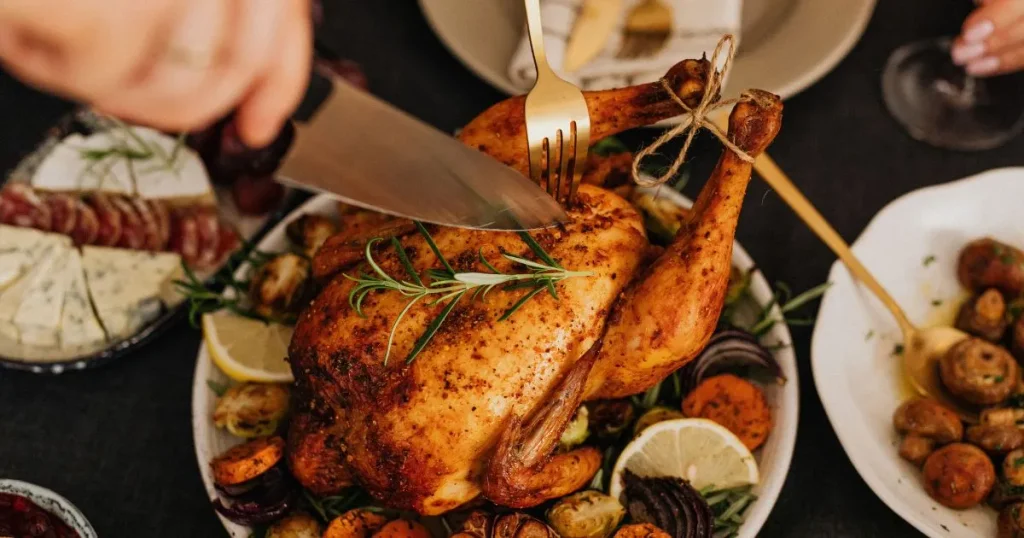
Place the bird on a stable cutting board with a juice groove. Use a sharp chef’s knife to remove the legs through the skin between the body and thigh.
Pull the leg away from the body to expose the joint. Slice through it, then separate the drumstick and thigh at their connecting joint.
Separate the Breast Meat from the Bone Cleanly
Run your knife along one side of the breastbone with long, smooth strokes. Angle the blade toward the bone to remove as much meat as possible.
After removing the breast, slice it against the grain into thick, even pieces. This keeps each bite tender and easy to chew.
Serve the Chicken with Potatoes, Gravy, and Pan Vegetables
Arrange the carved pieces on a warm platter with golden roast potatoes and roasted vegetables. Pour homemade pan gravy over the meat just before serving.
This beautiful centerpiece shows your cooking skills. This juicy whole chicken roasting guide helps create a memorable meal for family or guests.
Save the Carcass and Leftovers Safely
Use every part of your meal. The carcass makes rich, homemade stock, while leftover meat works well in salads, sandwiches, or soups throughout the week.
Refrigerate, Reheat, and Use Leftover Chicken Within Safe Limits
Proper storage protects food safety. Follow these guidelines to keep your leftovers fresh:
- Refrigerate promptly: Place leftovers in the fridge within two hours of cooking.
- Use shallow containers: This helps the meat cool down quickly and evenly.
- Monitor the timeline: Consume all refrigerated leftovers within three to four days.
Conclusion
Great meals begin with careful preparation and end with a well-rested bird. You can turn a simple whole chicken into a centerpiece for your table. This juicy whole chicken roasting guide helps you achieve consistent results whenever you use your oven.
Success depends on close attention while drying and seasoning the bird. Choose an internal temperature of 165°F instead of the clock for safety and quality. Following this juicy whole chicken roasting guide helps prevent dry meat and undercooked joints.
Pair the bird with golden potatoes and rich pan gravy for a practical Sunday dinner routine. Store leftovers properly so your hard work provides value throughout the week. Share your results with family and friends to celebrate home cooking.
FAQ
How do you determine the best whole chicken roasting time for your dinner?
To find the perfect whole chicken roasting time, cook the meat for about 20 minutes per pound at 375°F. Weight estimates how long to roast whole chicken, but an instant-read thermometer must confirm the whole chicken cooking time. Use a ThermoWorks Thermapen to check that the thickest breast area reaches 165°F.
What is the secret to a tender whole chicken recipe with crisp skin?
The foundation of a juicy whole chicken roasting guide is careful preparation. Dry the skin completely with paper towels, then air-dry it uncovered in the refrigerator if possible. Rub with Land O’Lakes unsalted butter and Morton Kosher salt for flavorful crust; roasting a whole chicken keeps meat moist.
Why does internal temperature matter more than the suggested whole chicken cooking time?
A best whole chicken roasting time chart gives a useful estimate, but ovens and poultry pieces vary. For a tender whole chicken recipe, trust internal temperature more than the timer. Check that the breast and thigh reach 165°F for a safe, exceptionally succulent result.
Should you baste the bird frequently while roasting a whole chicken?
Baste carefully: it can add flavor, but frequent door openings lower heat and may cause soggy skin. For perfect whole chicken roasting time, use Kerrygold butter and high heat, not frequent basting, to create crackling skin during whole chicken cooking time.
How long should you let the bird rest after completing the juicy whole chicken roasting guide steps?
After roasting a whole chicken, rest it on a warm platter for 15 to 20 minutes. This lets the juices redistribute, a key step in any tender whole chicken recipe. Carving immediately after whole chicken cooking time ends releases juices and leaves meat dry, even after perfect roasting.
How can you coordinate the cooking time for potatoes with the chicken?
For the best whole chicken roasting time and a complete meal, parboil potatoes before adding them to the pan. Roughen their edges and toss them with Bertolli olive oil or natural pan drippings. They finish alongside the bird while you are roasting a whole chicken, giving fluffy centers and golden, crisp edges.