Korean Beef Recipe: Easy Weeknight Dinner in 30 Minutes
Table of Contents
This Korean beef recipe makes a savory-sweet weeknight dinner in about 30 minutes, with the skillet portion taking about 15 minutes when your rice is ready. The dish uses ground beef, not thinly sliced steak, so you can skip the long marinade and get dinner on the table sooner.
That timing helps on nights when everyone is hungry and your energy is running low. The beef has a rich soy and garlic flavor, with sweetness you can adjust and toppings that suit each person. Start the rice first to keep the full meal near 30 minutes.
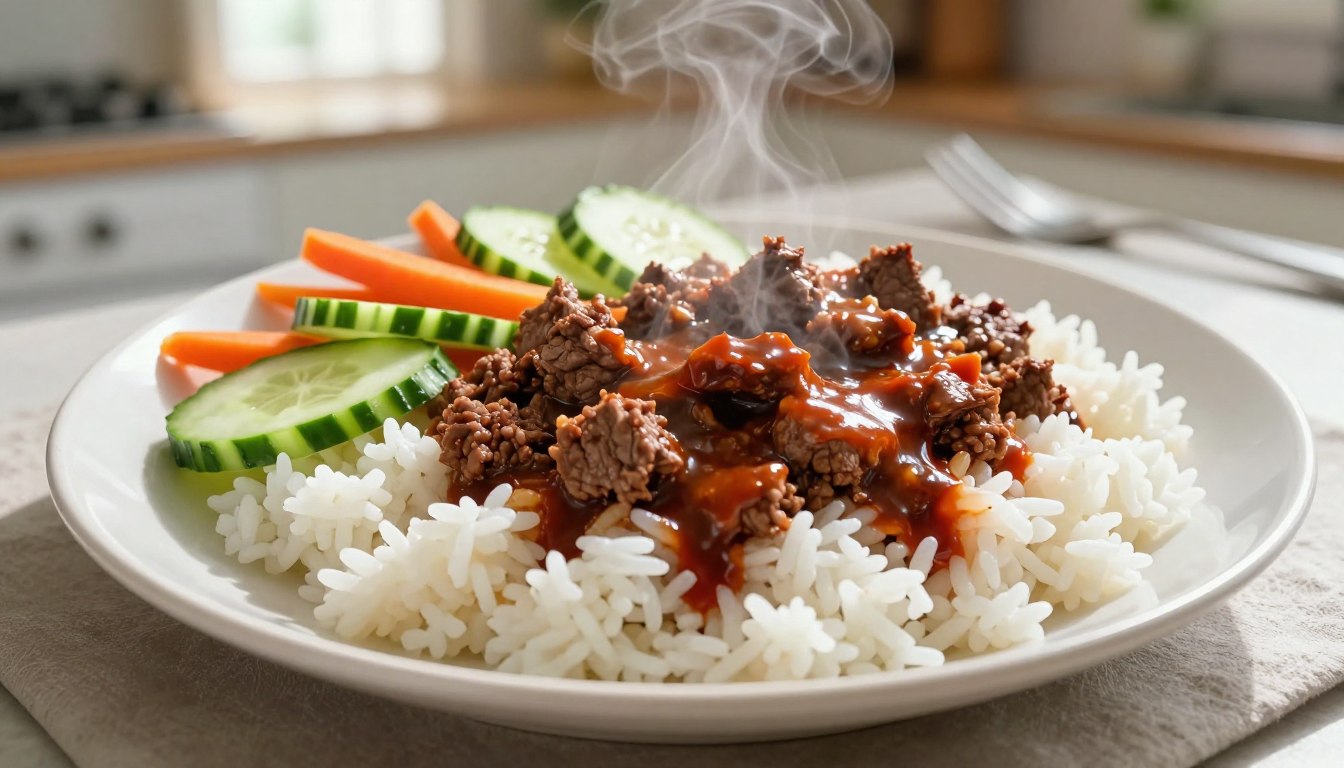
Serve the beef over rice, then let everyone add cucumber, carrots, scallions, or another favorite topping. Start your rice before you heat the skillet so the base and beef finish close together.
How is this quick beef different from bulgogi?
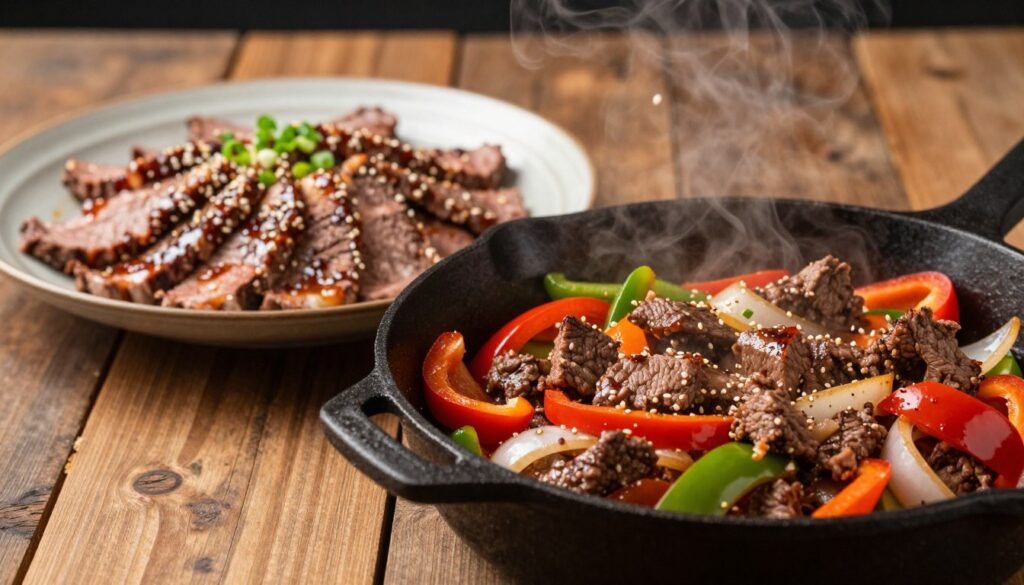
Traditional bulgogi uses marinated slices of beef, while this weeknight version gets dinner moving faster with ground beef. The key tradeoff is speed for the texture and cooking style of the classic dish.
Ground beef cooks directly in a skillet without slicing or a long marinade. You still get familiar soy, garlic, ginger, and sesame flavors, but the result is not the same as grilled, marinated beef.
Traditional bulgogi uses marinated slices
Bulgogi means thinly sliced beef that you season before cooking. Cooks often grill the meat or cook it in a pan, where the slices can brown at the edges while staying tender.
That method gives each piece a distinct, seasoned surface and a tender bite. The marinade also has time to work through the meat. For a meal built around that texture, thinly sliced beef is the right choice.
A ground-beef bulgogi bowl recipe takes 25 minutes and serves four to five people. That makes it a useful option when you want a bowl dinner but can spare a little more time.
Ground beef skips the slicing and marinade
The quick version starts with crumbled beef in a hot skillet. You add a savory sauce while the meat cooks, then serve it over rice. It keeps the broad flavor profile, but its soft, crumbly texture differs from sliced beef.
Other mince-based bowls can also take about 25 minutes, with 15 minutes of preparation and 10 minutes of cooking. One uses grated apple and onion for a bulgogi-style flavor, a gentle way to add sweetness and depth.
The faster version suits a busy dinner when you want those familiar flavors without setting aside time to slice and marinate. Choose thinly sliced beef when the marinated texture and grill-style cooking are the point of the meal.
Which ingredients give bulgogi its distinctive flavor?
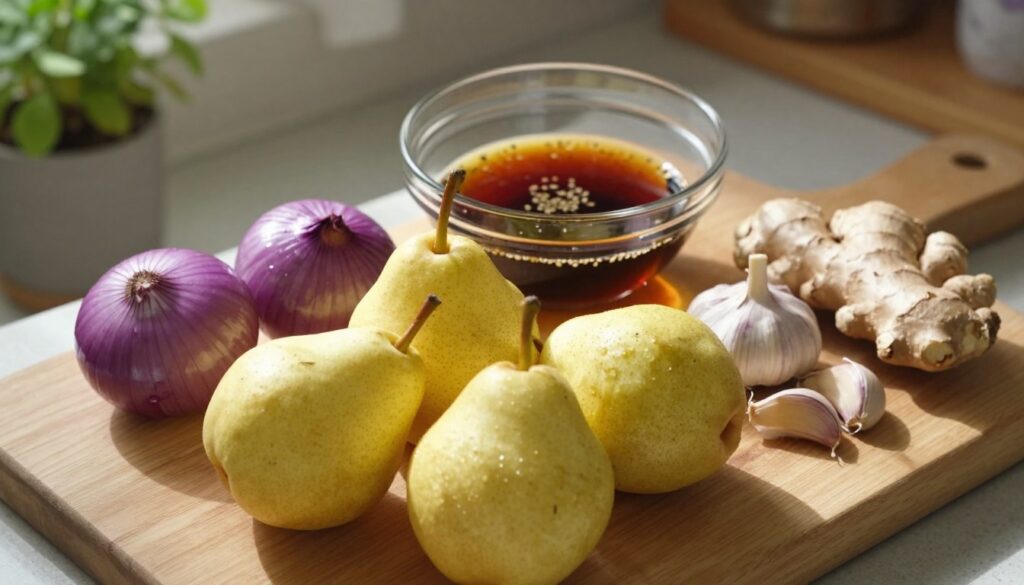
Pear, onion, garlic, ginger, soy sauce and toasted sesame oil give a traditional bulgogi marinade its layered sweet-savory flavor. Fruit and onion soften the sharp edges of the seasonings and add depth.
A traditional marinade for one pound of beef can include half a cup of crushed Korean pear and a quarter cup of onion purée. Garlic, ginger, green onion, brown sugar, black pepper, soy sauce, and toasted sesame oil fill out the taste.
Fruit and onion bring sweetness and depth
For one pound of beef, one traditional formula uses four garlic cloves, one teaspoon of ginger, and one green onion. It also uses two tablespoons each of soy sauce and brown sugar, plus one tablespoon of toasted sesame oil.
A small Bosc pear can replace the Korean pear for that amount of beef. The pear brings mild sweetness and helps balance the salty soy sauce. Onion gives the mixture a deeper, savory note.
Grated fruit and onion blend into a marinade more evenly than diced pieces. That smooth texture helps the seasoning coat thin slices without leaving large bits on the surface.
An authentic Korean beef recipe often depends on this mix of fruit, onion, aromatics, and sesame. The exact balance can vary, but the ingredients work together rather than relying on sweetness alone.
A simplified marinade keeps the ingredient list short
A simpler marinade for one pound of thinly sliced beef uses four garlic cloves, two green onions, two tablespoons of soy sauce, and two tablespoons of sugar. It also includes three tablespoons of water, one tablespoon of toasted sesame oil, one tablespoon of sesame seeds, and half a teaspoon of black pepper.
This shorter ingredient list still builds a savory, sweet, and nutty flavor. It leaves out fruit and onion purée, so the sauce tastes more direct and less rounded.
A Korean ground beef bulgogi recipe borrows these familiar flavors, though ground meat does not need the same marinade. If you use thinly sliced beef with the simplified mixture, keep it covered in the refrigerator.
Keep thinly sliced beef in the refrigerator for at least 30 minutes when you use the simplified marinade.
How can you adjust the sauce for heat, sweetness and texture?
Use brown sugar for a mellow sweet-savory sauce, honey for a softer sweetness, or gochujang when you want chili heat. Start with one direction, then taste before adding more.
Gochujang is a fermented Korean chili paste that adds savory heat and depth to sauces. Plain paste is thick and concentrated, while gochujang sauce is thinner and may already contain vinegar and sugar.
Balance sweetness with honey or brown sugar
A quick sauce for one pound of ground beef uses a quarter cup of low-sodium soy sauce, one and a half tablespoons of brown sugar, three minced garlic cloves, and one teaspoon of grated ginger. It also includes a quarter teaspoon of chili flakes and one teaspoon of cornstarch.
For Korean beef with honey, use two tablespoons of honey instead of the brown sugar in that one-pound sauce. Honey gives the sauce a softer sweetness and a slightly different finish. The soy sauce still brings salt and savory flavor.
Use less sweetener if you prefer a more savory bowl. You can also leave out the chili flakes for a milder sauce, then add heat to individual portions later.
Add gochujang or cornstarch for a different finish
A Korean beef bowl with gochujang can use two to three tablespoons of paste for one and a half pounds of ground beef. Maple syrup or honey can add sweetness to balance the chili flavor.
Cornstarch thickens a sauce as it cooks and helps it cling to the crumbled beef. Mix it into the liquid before adding the sauce to the pan. This helps it blend more evenly.
Use plain gochujang paste when you want a stronger, thicker chili flavor. A bottled gochujang sauce may be runnier and sweeter, so taste it before adding other sweeteners.
| Sauce route | Beef amount | Sweetener | Distinctive finish |
|---|---|---|---|
| Low-sodium soy and brown sugar | 1 lb | 1½ tbsp brown sugar | Thickened with 1 tsp cornstarch |
| Honey substitution | 1 lb | 2 tbsp honey | Softer sweetness in the quick sauce |
| Gochujang bowl sauce | 1½ lb | Maple syrup or honey | 2-3 tbsp fermented chili paste |
Add extra chili to individual bowls if diners at the table prefer different heat levels.
Korean Beef Recipe: Ingredients and Skillet Steps
This easy Korean beef recipe uses one pound of ground beef and a quick soy, garlic, ginger and gochujang sauce. The skillet cooks quickly, so start the rice before you prepare the beef.
The beef portion takes about 15 minutes, but uncooked rice may need longer. Have the ingredients ready before you turn on the burner, and use hot cooked rice to keep the full dinner near 30 minutes.
Gather the beef, sauce ingredients and rice
This four-serving recipe uses one pound of lean ground beef. The measured ingredients below make a savory sauce with a moderate amount of chili paste.
- 1 lb lean ground beef
- 4 cups hot cooked rice
- 4 garlic cloves, minced
- 1 tsp grated ginger
- 3 tbsp soy sauce
- 2 tbsp granulated sugar
- 2 tbsp water
- 2 tsp gochujang
- ¼ tsp black pepper
- 1 tbsp neutral oil
- 1 tsp toasted sesame oil
- 1 tbsp toasted sesame seeds
- Cucumber, carrot, cabbage, and scallion for topping
The neutral oil helps the beef brown without adding a strong flavor. Toasted sesame oil and seeds go in at the end, when their aroma can stand out.
Brown the beef, then coat it in sauce
Keep the order simple, especially if you are cooking rice from scratch. The sauce takes only a moment to mix, and the ground beef breaks apart as it browns.
- Start the rice first. Cook enough to serve four, or warm four cups of cooked rice.
- In a small bowl, stir together the garlic, ginger, soy sauce, sugar, water, gochujang, and black pepper.
- Heat the neutral oil in a large skillet. Add the beef and break it into small crumbles as it browns.
- When the beef has browned, add the sauce. Stir and cook for about one minute, until it coats the meat.
- Take the skillet off the heat. Stir in the toasted sesame oil and sesame seeds.
- Spoon the beef over rice. Add cucumber, carrot, cabbage, and scallion as desired.
You can set out the toppings while the beef cooks, which gives everyone a choice without slowing down dinner. Keep the vegetables cut into small pieces so they are easy to eat with rice and beef.
Finish the sesame oil and seeds off the heat to preserve their nutty aroma.
How do you build a Korean beef bowl?
Rice makes the bowl familiar, while vegetables and toppings add crunch, freshness and contrast. A good bowl balances the warm beef with ingredients that bring color and a different texture.
White rice, brown rice, jasmine rice, and cauliflower rice all work as a base. Choose the one that suits your meal, then build around the beef instead of piling on every topping.
Pick a rice or grain base
White rice has a mild flavor that lets the sauce stand out. Brown rice has a chewier bite, while jasmine rice adds a fragrant note. Cauliflower rice gives you another option when you want a vegetable base.
A lightened-up bowl can use three-quarters of a cup of beef with half a cup of rice, making four servings. That is one portion style, not a fixed rule for every appetite.
Add fresh, cooked or pickled toppings
Cucumber, carrots, cabbage, spinach, bell pepper, and edamame all pair well with Korean beef. Add sesame seeds, green onion, kimchi, or a fried egg for more flavor and texture.
- Cucumber, carrot, and scallion
- Spinach, avocado, and pickled ginger
- Cabbage, edamame, and sesame seeds
- Kimchi, fried egg, and green onion
These combinations give each bowl a clear mix of flavors without requiring a long list of toppings. Fresh vegetables add a cool contrast, while kimchi and pickled ginger bring a sharper, tangy bite.
Nutrition can differ by recipe and serving size. A Korean ground-beef bowl with rice lists 401 calories, 18 grams of protein, 21 grams of fat, 35 grams of carbohydrates, and 774 milligrams of sodium per serving.
| Bowl or meal | Serving basis | Calories | Protein | Sodium |
|---|---|---|---|---|
| Quick ground-beef bulgogi bowl | Per serving | 386 | 22 g | 1,149 mg |
| Ground-beef bowl with rice | Per serving, including rice | 401 | 18 g | 774 mg |
| Healthy Choice Korean-Style Beef Protein Bowl | 9.5 oz bowl | 300 | 15 g | 600 mg |
Recipe nutrition depends on the beef and rice portions, plus the toppings you add. A frozen bowl has a set serving size, while a home bowl can change with each scoop.
Keep the beef portion and rice portion in view when comparing nutrition numbers across different bowls.
What swaps make the meal lighter or fit different diets?
You can change the protein, grain and vegetables without changing the basic skillet approach. Small swaps can help you match the meal to your taste or dietary needs.
No single ingredient swap makes a meal healthy for every person. Choose options that fit how you eat, then adjust your bowl portions and toppings to suit your needs.
Choose a leaner protein or plant-based option
Some recipes use 90/10 lean ground beef, while others use 93/7 beef. Leaner meat can leave less fat in the pan. If you use fattier ground beef, drain excess fat before you add the sauce.
You can also replace the ground beef with turkey, chicken, pork, tofu, or plant-based ground beef. Each choice changes the texture and flavor, so taste the sauce before serving.
Change the base and toppings to suit your needs
Cauliflower rice can replace a rice base, or you can keep rice and add more vegetables. Spinach and broccoli both fit well in a bowl and work with the savory sauce.
Use tamari instead of soy sauce when you need a gluten-free alternative. Read the product label, since not every brand or blend has the same ingredients.
- Use lean ground beef, or drain excess fat from fattier meat.
- Substitute turkey, chicken, pork, tofu, or plant-based ground beef.
- Choose cauliflower rice or add vegetables such as spinach and broccoli.
- Use tamari instead of soy sauce when you need a gluten-free alternative.
Toppings and rice portions let each person make a bowl that suits their appetite. You can serve the beef in the middle of the table and let everyone build a meal from the same batch.
Check the tamari label if you need to avoid gluten, since the swap depends on choosing a suitable product.
How do you brown ground beef and check that it is safe?
For browned edges, give the beef contact with a hot skillet instead of stirring it constantly. Good browning comes from steady heat and room for the meat to touch the pan.
Ground beef needs to reach 160°F, and color alone cannot confirm safety. Use a food thermometer to check a mound of crumbled meat before serving.
Leave room for browning and crisp edges
Preheat the skillet before adding the beef. A large 12-inch skillet gives one four-serving batch room to spread out and brown.
Break the meat into crumbles, but do not keep moving it around. Let it sit briefly against the hot pan before stirring, then turn it so more surfaces can brown.
If the pan is crowded, the beef can release moisture and steam instead of browning. Cook in batches when needed, and drain excess fat if it gathers in the skillet.
Crispy Korean beef means browned or crisp edges, not a different safety standard. Letting the meat sit against the pan helps build that texture, while frequent stirring can keep the surface soft.
Check doneness with a thermometer
In 2026, ground beef should reach an internal temperature of 160°F. Color is not a reliable test because beef can look brown before it reaches a safe temperature.
To check, gather the crumbles into a mound and insert the thermometer into the meat. Keep the sensing tip in the beef, rather than touching the hot pan.
Check more than one spot if the crumbles vary in size or the meat cooked unevenly. A quick reading gives you a more reliable check than judging the color of the meat.
Confirm 160°F in a mound of crumbles before serving, even when the beef looks browned.
How should you store and reheat leftovers?
Store the cooked beef separately from crisp vegetables so your next bowl keeps its texture. Separate containers also make it easier to reheat only what you plan to eat.
Cooked beef keeps in the refrigerator for up to four days. Place it in an airtight container, and store rice and fresh toppings apart when possible.
Keeping the components separate helps prevent cucumber, cabbage, or other crisp toppings from getting soft. Store cooked rice in its own container so you can build a fresh bowl when you are ready.
If you want to prep ahead, make the sauce one day early and refrigerate it covered. Stir it before using, since some ingredients may settle while it sits.
Cooked beef can be frozen for up to three months. Divide it into portions before freezing so you can thaw only what you need for a meal.
For a quick reheat, cover the beef and microwave it for 1½-2 minutes. Add a spoonful of water if the meat looks dry, then stir it before serving.
Rice and beef may warm at different rates, so check that each portion is hot before you assemble the bowl. Add fresh toppings after reheating to keep their crunch.
Cool and refrigerate leftovers promptly, then reheat only the portion you plan to eat.
Conclusion
A skillet of savory-sweet beef and a bowl of rice are enough to make this a flexible weeknight dinner. Ground beef and pantry sauce ingredients give you a meal you can adjust with what is already on hand.
You do not need a long list of extras to make dinner feel complete. A couple of fresh toppings can bring crunch and color, while the beef carries the main flavor.
Start the rice, pick two toppings, and make the first bowl your own.
FAQ
Can I use frozen ground beef for this recipe?
Can I make the sauce ahead of time?
Is gochujang paste the same as gochujang sauce?
Can I double the sauce for extra rice?
Can I use frozen vegetables in a Korean beef bowl?
What can I use instead of sesame oil?
Ready to master more kitchen favorites? Explore all our tested chicken and beef recipes step by step: read more
What Did You Think? Rate This Recipe
Absolutely Tender and Packed with Flavor!
I followed this guide step by step and the beef shank came out amazingly tender and full of flavor. The tips on maintaining moisture made all the difference. Highly recommended for anyone trying this cut for the first time!