Beef Brisket Recipe Oven: Fall-Apart Tender Every Time
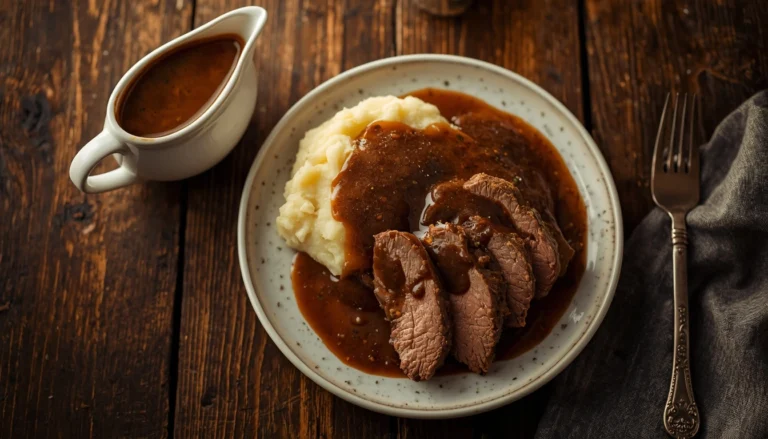
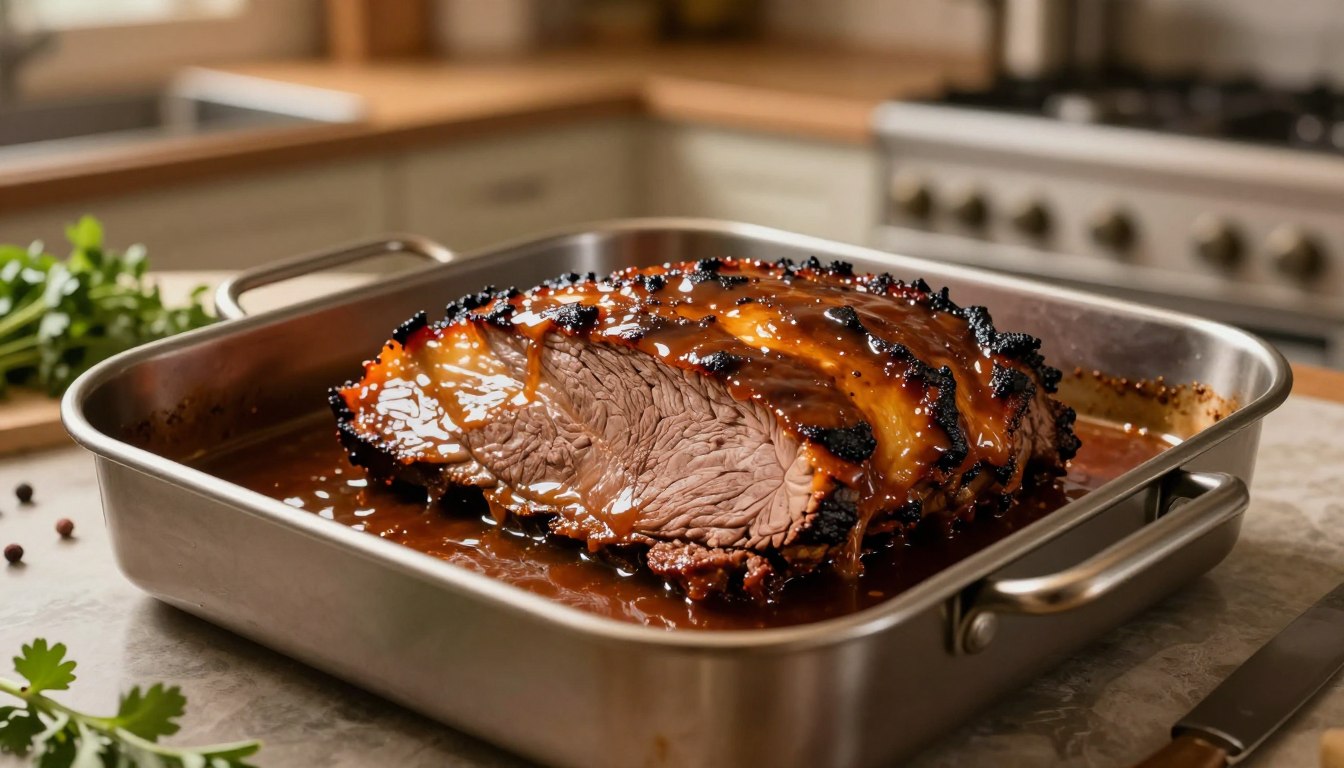
A slow, covered oven cook turns a well-seasoned brisket into a tender centerpiece without a smoker. If you want a generous dinner but lack a smoker, this beef brisket recipe oven method keeps the steps practical. The cooking takes time, yet most of that time belongs to the oven.
Table of Contents
The covered pan holds in moisture, while a short finishing stage can brown the edges. You’ll season the meat with a savory rub, cook it with a tangy sauce, and check tenderness before serving. Then you’ll learn how to slice it and make the most of leftovers.
Good brisket rewards a little planning. Its long cook gives connective tissue time to soften, and a careful rest helps the slices stay juicy. The method also leaves you with pan juices to serve beside the meat.
Set aside several hours for cooking and give the meat time to rest before serving.
What Cut and Size of Brisket Should You Choose?
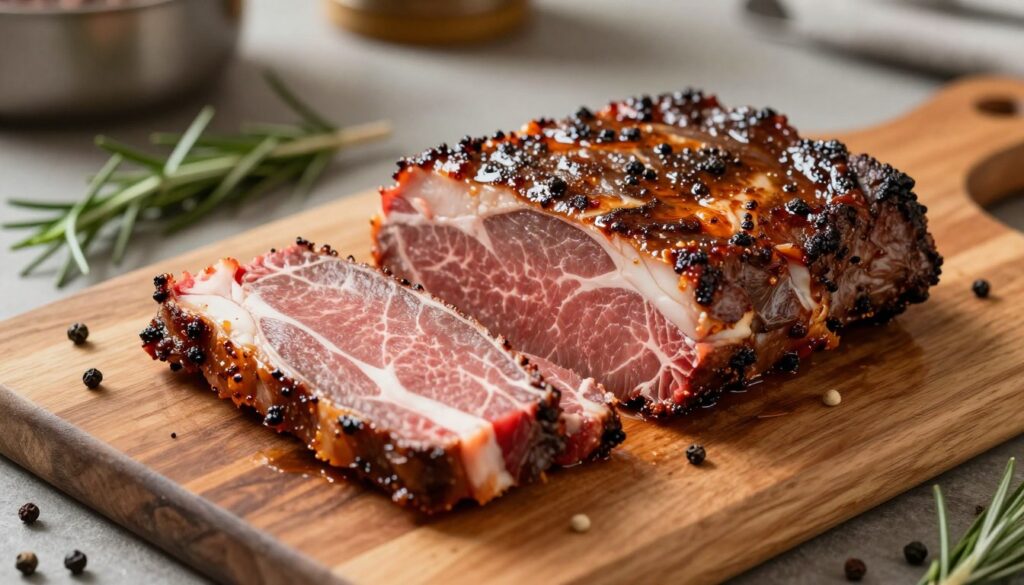
For brisket as the main meat, plan on 0.5 lb of cooked meat per adult. A raw whole brisket loses weight as it cooks, so buy about 1 lb per adult when you want a useful planning estimate.
Your choice of cut affects the shape and richness of the slices. The fat cap is the layer of fat on the outside of the brisket; keep a thin layer instead of cutting it all away.
Flat Cut or Point Cut
The flat cut, also called the first cut, is leaner and more even in thickness than the point cut. Its consistent shape makes it easier to cut into even slices for a platter or sandwiches.
The point cut, also called the second cut, is bulkier and has more fat. That extra fat gives the cut a richer feel, while its uneven shape can make neat slices harder to achieve.
A whole brisket includes both cuts, though stores may sell them separately. A local butcher counter or grocery meat department is a practical place to ask for a flat cut. Call ahead to check availability, since the selection can vary.
Plan the Amount Per Person
Use cooked brisket per person to plan the serving size, then account for the weight lost during cooking. A 12-lb raw whole brisket yields about 6 lb cooked brisket, enough for roughly twelve adult main-meat portions.
| Guest type | Cooked brisket per person | Planning note |
|---|---|---|
| Adult, brisket as main meat | 0.5 lb | about 1 lb raw whole brisket per adult |
| Child or light eater | 0.25 lb | use the smaller cooked portion |
| Big appetite | 0.75 lb | plan a larger cooked portion |
These amounts help you estimate brisket per person when brisket is the main dish. If you’re serving several hearty sides, children or light eaters may need less than an adult portion.
Choose the flat cut when you want evenly shaped slices, and the point cut when you prefer a fattier, richer piece.
Which Rub and Sauce Build the Best Flavor?
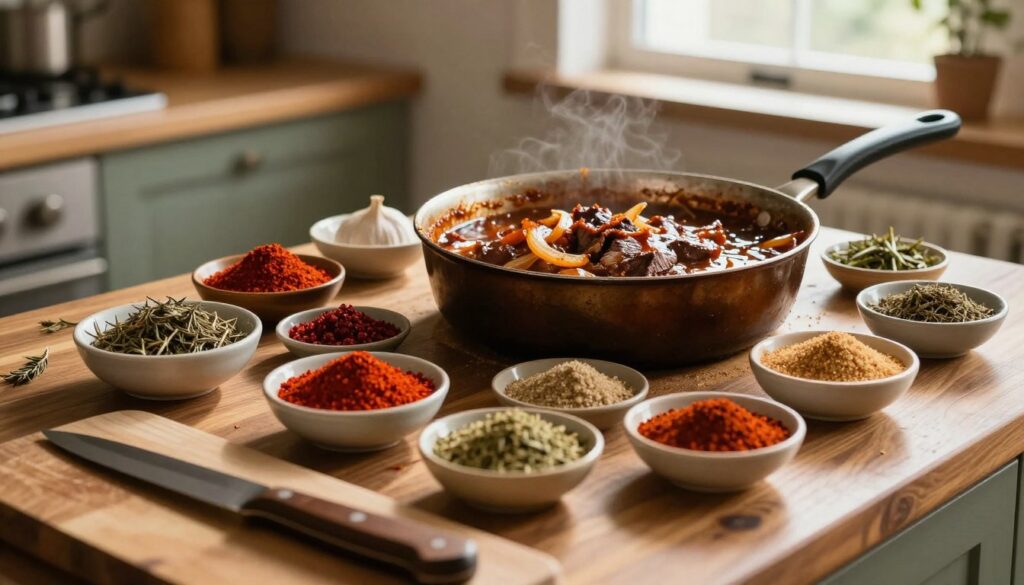
A balanced rub and a savory pan sauce give oven brisket flavor without relying on smoke. For a 5-lb first-cut brisket, use the paprika-and-herb rub below, then add the sauce ingredients to the pan.
The standard rub seasons the beef with brown sugar, paprika, herbs, and modest heat. The sauce balances broth and aromatics with ketchup, vinegar, and Worcestershire sauce.
Mix a Savory Spice Rub
Measure the spices before handling the brisket so you can mix the rub evenly. The quantities below season one 5-lb first-cut brisket.
- Brisket: one 5-lb first-cut brisket, with excess fat trimmed.
- Rub: 2 tablespoons brown sugar, 2 tablespoons paprika, 2 teaspoons dry mustard, 2 teaspoons garlic powder, 2 teaspoons onion powder, 2 teaspoons salt, 1/2 teaspoon cumin, 1/2 teaspoon dried basil, 1/2 teaspoon dried thyme, and 1/4 teaspoon cayenne pepper.
- Sauce vegetables and aromatics: 1 cup chopped onion, 1/4 cup chopped celery, 1/4 cup chopped green bell pepper, 2 tablespoons minced garlic, and oil for cooking the vegetables.
- Sauce liquids: 3 tablespoons white wine vinegar, 3 tablespoons Worcestershire sauce, 1/2 cup ketchup, and 3 cups beef broth.
- Bay leaves: bay leaves for the sauce.
- Optional pepper-forward rub: 1 cup coarsely ground black pepper and 2 tablespoons kosher salt for a 5-6-lb brisket.
The optional pepper rub is a separate seasoning choice, not an addition to the paprika-and-herb mix. It gives the outside a bold pepper taste, while the standard rub has a sweeter, more layered flavor.
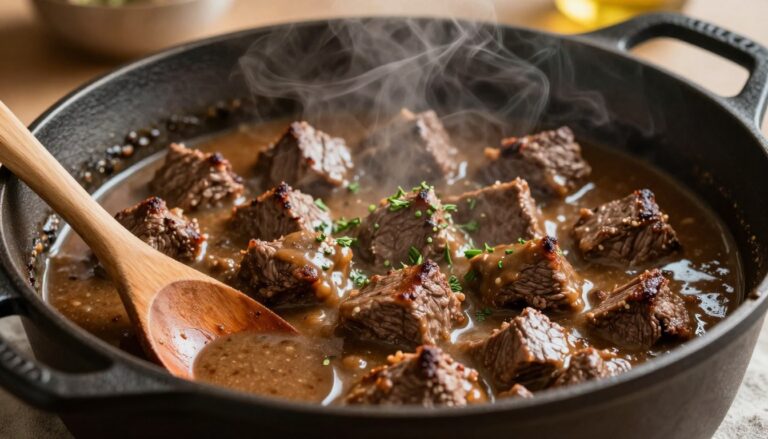
Make a Tangy, Worcestershire-Based Sauce
Jewish brisket recipe in the oven often uses an onion-rich braising liquid and savory seasoning. This recipe’s sauce combines broth, ketchup, vinegar, and Worcestershire sauce for a tangy, savory pan sauce.
Onion and garlic give the sauce a familiar savory base, while celery and green bell pepper add more aroma. Oil helps the vegetables cook before the liquids join them, and bay leaves lend a gentle herbal note.
Use the teaspoon cayenne pepper amount as a starting point, not a demand for extra heat. The cayenne pepper should add a faint warmth rather than cover the garlic, onion, or beef.
Keep the cayenne modest if you want the sauce’s tang and the beef’s savory flavor to lead.
How Should You Set Up the Oven and Pan?
Set your oven to at least 325°F and use a roasting pan that can be sealed tightly with foil. A conventional oven works well for this brisket oven method when the pan can hold the meat without crowding.
Preheat oven fully before adding the pan. Set the brisket fat side up so the outer fat can soften during cooking, then cover the pan with foil.
Use a Safe Oven Setting and a Covered Pan
Keep the oven at 325°F or higher for cooking brisket. An oven setting of 300°F is below the recommended minimum, even though people sometimes use lower heat for other cooking methods.
The oven setting and the meat’s internal temperature serve different purposes. The setting controls the cooking environment; a higher temperature inside the brisket helps you judge tenderness later.
| Cook stage | Oven setting | Cover | Purpose |
|---|---|---|---|
| Main cook | 325°F or higher | Tightly covered | retain moisture |
| Tenderness check | same setting | Open foil carefully to check | test the thickest part |
| Browning finish | same setting | Uncovered briefly if needed | brown the surface |
Choose Foil for a Tightly Sealed Cook
A foil cover traps moisture and keeps pan juices close to the meat. Choose heavy-duty foil, or use two sheets if one sheet cannot cover the full pan.
Slow-cooker brisket and oven brisket are different methods. A slow-cooker recipe does not give you the oven setting for this recipe, so use the oven guidance here.
Seal the foil around the pan’s rim so steam and pan juices stay with the meat.
What Does the Beef Brisket Recipe Oven Method Involve?
For this 5-lb recipe, coat the trimmed brisket with the rub before it goes into the covered roasting pan. Cook it covered until the thickest part turns tender, rather than relying on a fixed time.
The low slow oven cook gives connective tissue time to soften. Raising the heat does not make fall-apart brisket in the oven; tenderness comes from cooking long enough for that tissue to break down.
Prepare and Season the Brisket
Trim away thick, hard fat while leaving about 1/4 inch of fat cap. That thin layer protects the surface as the brisket cooks and prevents you from stripping away all the outer fat.
Mix the rub in a small bowl until the brown sugar and spices look evenly combined. Pat the brisket dry, then press the rub over the top, bottom, and sides.
If you have time, cover the seasoned meat and refrigerate it for at least 8 hours or up to 24 hours. This lets the seasoning rest on the surface before cooking.
How to Make Fall-Apart Brisket in the Oven
Set the brisket in the prepared roasting pan with the fat side facing up. Add the prepared sauce around the meat at the start of cooking, keeping enough aside for serving.
Seal the pan tightly with foil and place it in the preheated oven. Keep the cover in place through the main cook so moisture and pan juices remain in the pan.
Cooking time depends on the brisket’s thickness and shape. A thick or uneven piece may take longer than a flatter one, so use the clock as a guide rather than a final test.
Fall-apart beef brisket needs time for its connective tissue to soften. Check tenderness as cooking progresses, and continue cooking if the thickest part still feels firm.
Finish the Sauce and Brown the Surface
Save some sauce before serving so each person can add as much as they like. The pan juices carry the flavor of the brisket and vegetables into the sauce.
When the meat is tender, uncover the pan briefly if you want browned edges. Watch the surface during this finishing stage, since the goal is a little color, not a dry crust.
Keep the brisket covered during the main cook, and uncover only long enough to brown the surface to your liking.
How Do You Check Doneness, Rest, and Slice Brisket?
Use a thermometer for food safety, then check tenderness separately with a probe in the thickest part. Brisket is safe at 145°F with a 3-minute rest, but fall-apart texture usually needs about 200-205°F.
The numbers answer two different questions: whether the meat has reached a safe temperature and whether it feels soft enough to slice. A probe that slides in with little resistance signals tenderness.
Check Safety and Tenderness Separately
For food safety, check the internal temperature with a food thermometer. Brisket reaches the safety threshold at 145°F when followed by a 3-minute rest.
That safety point does not mean the brisket will be tender enough to pull apart. Brisket has firm connective tissue, so cooks often aim for about 200-205°F and test the thickest part with a probe.
Temperature gives you a useful guide, but the probe test helps show how the meat feels. If the probe meets firm resistance, give the brisket more cooking time before resting.
Rest, Slice Across the Grain, and Add Smoke-Style Flavor
Rest the cooked brisket for 20 minutes before slicing. Tent it loosely with foil so the meat stays warm while the juices settle.
The grain is the direction of the muscle fibers running through the meat. Look for those long lines before cutting, then slice across them to make each bite easier to chew.
A conventional oven cannot create true smoked brisket because it does not add smoke. Smoked paprika or a smoky barbecue sauce can give the meat smoke-style flavor without a smoker.
Turn the brisket as needed so every slice crosses the grain rather than following the long fibers.
What Can You Serve With Oven-Baked Brisket?
A tangy, crunchy side balances the rich beef, while beans, potatoes, or cornbread make the plate more substantial. The pan sauce works over slices or beside them, so guests can choose how much to add.
Serve the sauce on the side to keep each portion as moist or lightly dressed as you prefer. Crisp salad or tangy pickles can also offset the richness of the meat.
Classic sides turn oven baked brisket into a full meal. Choose one or two based on the size of your gathering and the time you have for the rest of dinner.
- Pinto beans add a hearty, savory side.
- Potato salad brings a cool, creamy contrast.
- Cornbread gives the plate a soft, slightly sweet bite.
- Coleslaw adds crunch and a tangy edge.
- Macaroni and cheese makes the meal rich and filling.
You can serve the beef with extra barbecue sauce, or keep the pan sauce nearby for a less smoky flavor. Pickles and sliced onions bring a sharp, crisp contrast to warm slices.
For sandwiches, pile the meat onto a sandwich roll with pickles, onions, and extra sauce. Keep the roll sturdy enough to hold the juices without falling apart.
Serve extra sauce on the side so the brisket stays flavorful without soaking every slice.
How Should You Store and Reheat Leftover Brisket?
Refrigerate cooked brisket within 2 hours, sealed with enough pan juices to help protect it from drying out. A tightly covered container keeps the meat and juices together in the refrigerator.
Plan to use refrigerated brisket within 3-4 days. Thin slices dry out faster than a larger piece, so keep slices packed with juices when storing them.
Refrigerate and Freeze It Safely
Move leftovers to the refrigerator within two hours of cooking. Divide a large amount into smaller containers if needed, so you can chill and reheat portions more easily.
For longer storage, wrap cooked brisket well or seal it in an airtight, freezer-safe container. Keep some pan juices with the meat to help preserve moisture as it freezes.
Thaw frozen brisket in the refrigerator before reheating. This gives you a ready portion without leaving cooked meat out on the counter.
Reheat Gently Without Drying It Out
Set the oven to 250°F and place the meat in an oven-safe dish with pan juices or broth. Cover the dish tightly with foil while the brisket warms.
Heat the meat until the center reaches 165°F, then check it with a food thermometer. Add a little more broth or pan juice if the dish looks dry during reheating.
Warm a larger piece when you can, since thin slices lose moisture more quickly. If you have sliced portions, keep them nestled together beneath the foil.
Check the center of the reheated portion with a food thermometer before serving.
How Can You Make Brisket Ahead for a Gathering?
Start thawing in the refrigerator well before the day you plan to cook, especially for a whole brisket. A trimmed first-cut brisket may need about 24 hours to thaw, while a whole 10-lb brisket can take several days.
Once thawed, you can apply the rub ahead and keep the seasoned meat refrigerated for 8-24 hours. Build in a buffer for the cooking and resting time, since brisket does not finish by the clock alone.
Thaw the Brisket in the Refrigerator
Use these checks to set a realistic schedule for your meal:
- Check the brisket’s size and allow enough thawing time.
- Thaw the meat in the refrigerator, not on the counter.
- Apply the rub ahead if that fits your schedule.
- Leave time for cooking and the resting period.
A trimmed first cut may thaw in about 24 hours in the refrigerator. A whole brisket weighing about 10 lb can need several days, so check the package size before setting your cooking date.
Season Ahead and Plan the Cooking Day
Rub the brisket and refrigerate it for 8-24 hours before cooking. This makes the seasoning step easier to fit into a busy gathering day.
Do not leave raw meat on the counter to speed thawing. Give the brisket enough refrigerator time, then plan the oven cook and rest before guests arrive.
Put the thawing and seasoning windows on your meal calendar so the brisket is ready for the oven on time.
Conclusion
A well-sealed pan and a patient cook are the foundations of tender oven brisket. The oven must stay at a safe setting, and the meat needs to pass a tenderness check before you serve it.
Use the probe test instead of chasing one fixed cooking time. That small check helps you avoid serving brisket before its connective tissue softens.
Choose a brisket size that fits your guests, then schedule its thawing and seasoning. Choose your cut, set the thawing time, and gather the rub ingredients before cooking day.
FAQ
Can I freeze cooked beef brisket?
What’s the best way to reheat brisket?
How long does 1kg of beef brisket take to cook?
Is 300 too high for brisket in the oven?
How many people will 1 lb of cooked brisket feed?
Does brisket get tender the longer you cook it?
How long does it take to cook a 16 lb brisket at 225 degrees?
Is 2 pounds of brisket enough for 4 people?
Ready to master more kitchen favorites? Explore all our tested chicken and beef recipes step by step: read more
What Did You Think? Rate This Recipe
Absolutely Tender and Packed with Flavor!
I followed this guide step by step and the beef shank came out amazingly tender and full of flavor. The tips on maintaining moisture made all the difference. Highly recommended for anyone trying this cut for the first time!