Chicken Shawarma Calories: 7 Healthy Swaps to Cut Fat
Table of Contents
One six-serving chicken shawarma recipe lists 482 calories per serving, and your portion changes with the chicken, sauce, and bread you choose. That number describes one recipe serving, not every wrap or plate. A generous pita, rich sauce, or extra side can change the meal you build at home.
When you want the warm, savory taste of a Middle Eastern meal, cutting back on fat should not mean losing its character. You can keep the lemon juice, garlic, and familiar spices while adjusting ingredients that add more fat. These practical swaps give you choices, not a claim that every version is low-fat. Keep the spice blend and adjust the ingredients that add the most fat.
Spit-roasting means cooking stacked meat on a rotating vertical spit so the outside browns and cooks in thin slices. Home recipes can bring some of that flavor to your oven or skillet.
Key Takeaways
- A recipe’s calories describe its stated serving, not every meal format.
- Bread, sauce, portion size, and sides change your finished meal.
- Keep the lemon, garlic, and spices for a bold flavor.
- Measure oil and creamy toppings to control added fat.
- Serve the chicken in a pita, bowl, or plated meal.
- Use a thermometer to check that chicken is safely cooked.
Chicken Shawarma Calories by Serving
A chicken shawarma calorie count can describe chicken alone or a full meal, so check the serving and every add-on. The chicken-only number is not the total for a wrap or plate. Pita, sauce, rice, and fries each add to the meal, so compare portions that match.
For example, roasted chicken thigh has 179 calories per 100 grams. A 60-gram white pita has 165 calories, while 50 grams of fries have 156. The serving size matters as much as the food name.
| Item | Serving | Calories | Meal role |
|---|---|---|---|
| Roasted chicken thigh | 100 g | 179 | Protein |
| White pita | 60 g | 165 | Bread |
| French fries | 50 g | 156 | Side |
| Cooked white rice | 158 g | 205 | Grain |
| Cooked 80/20 beef | 100 g | 270 | Protein |
| Cooked ground lamb | 100 g | 283 | Protein |
Opaa! flame-broiled chicken gyro slices list 190 calories for 3 ounces, or 226 calories per 100 grams. The product lists 12 grams of total fat, 2.5 grams of saturated fat, 17 grams of protein, and 600 milligrams of sodium per 3-ounce serving. Opaa! serving data gives both serving bases.
Other toppings add up, too. A 60-gram serving of hummus has 142 calories, while 35 grams of cucumber pickles have 4. One tablespoon of toum has 109 calories, and a 15-gram tablespoon of tahini has 89.
A 100-gram serving of cooked ground lamb has 283 calories and 19.6 grams of fat. Cooked 80/20 beef has 270 calories and 17.8 grams of fat per 100 grams. You can check food values in USDA FoodData Central, which covers many foods and branded products.
A chicken shawarma price depends on the location, restaurant, serving format, portion, and add-ons. A sandwich, a plate, and extra sides may each be priced differently. Compare like-sized portions before treating two calorie numbers as equivalent.
The Spit-Roasted Method and Its Signature Flavor
Shawarma is a Middle Eastern spit-roasted meat dish, and chicken is one of the meats you can use. Shawarma is a preparation and dish, not a type of chicken, and cooks can make it with beef or lamb, too. Its seasoning tastes warm and earthy, while the meat develops browned edges and a tender center.
Spit-roasting means cooking stacked meat on a rotating vertical spit so the exterior browns and thin slices can be shaved off as it cooks. The rotating spit is the traditional method. A cook shaves off the browned outside as the meat continues to turn.
Turkey’s döner kebab shares this spit-roasting method with Middle Eastern shawarma, though the dishes are not identical. Their seasonings, toppings, and local customs can differ. Both methods expose the outside of stacked meat to heat as it rotates.
At home, you can roast the chicken in an oven, grill it, or cook it on a stovetop. Oven recipes commonly use 400-425°F, while a skillet gives the meat direct contact with a hot surface. These methods are easier to manage in a home kitchen than a large vertical spit.
Warm spices, garlic, and lemon help give the dish its savory character. The browned surface adds another layer of flavor, even when your chicken cooks in separate pieces. At home, aim for browned edges and juicy meat rather than trying to copy the rotisserie exactly.
Chicken Shawarma Ingredients and Marinade
Boneless skinless thighs are a forgiving choice, while breast and tenderloin offer leaner cuts that also work. Choose the cut for the texture you want and the way you plan to cook it. A chicken shawarma marinade adds flavor to each option.
Recipes use different ingredients. A University of Maryland lavash recipe includes chicken breast, onions, pita bread, feta, and shortening made with canola and extra-virgin olive oils. Labels can show more than one oil, so check packaged lavash if you want to know what it contains.
| Cut | Texture | Home-cooking note |
|---|---|---|
| Boneless skinless thighs | Juicy and tender | Forgiving choice for roasting or searing |
| Chicken breast | Lean and firm | Watch closely to avoid overcooking |
| Tenderloin | Lean and tender | Smaller pieces may cook quickly |
Thighs, Breast and Tenderloin
Boneless skinless chicken thighs are commonly chosen for their juiciness. Breast and tenderloin can also work, especially when you prefer a leaner cut. The best fit depends on your taste and how closely you can watch the chicken while it cooks.
A USDA school recipe for 50 servings uses cooked, thawed, boneless, skinless breast strips. Its seasoning includes olive oil, lemon juice, oregano, garlic, coriander, cayenne, turmeric, cinnamon, cumin, cardamom, nutmeg, and black pepper. The USDA chicken shawarma recipe also serves the chicken with a yogurt drizzle.
The Marinade’s Oil, Citrus and Spices
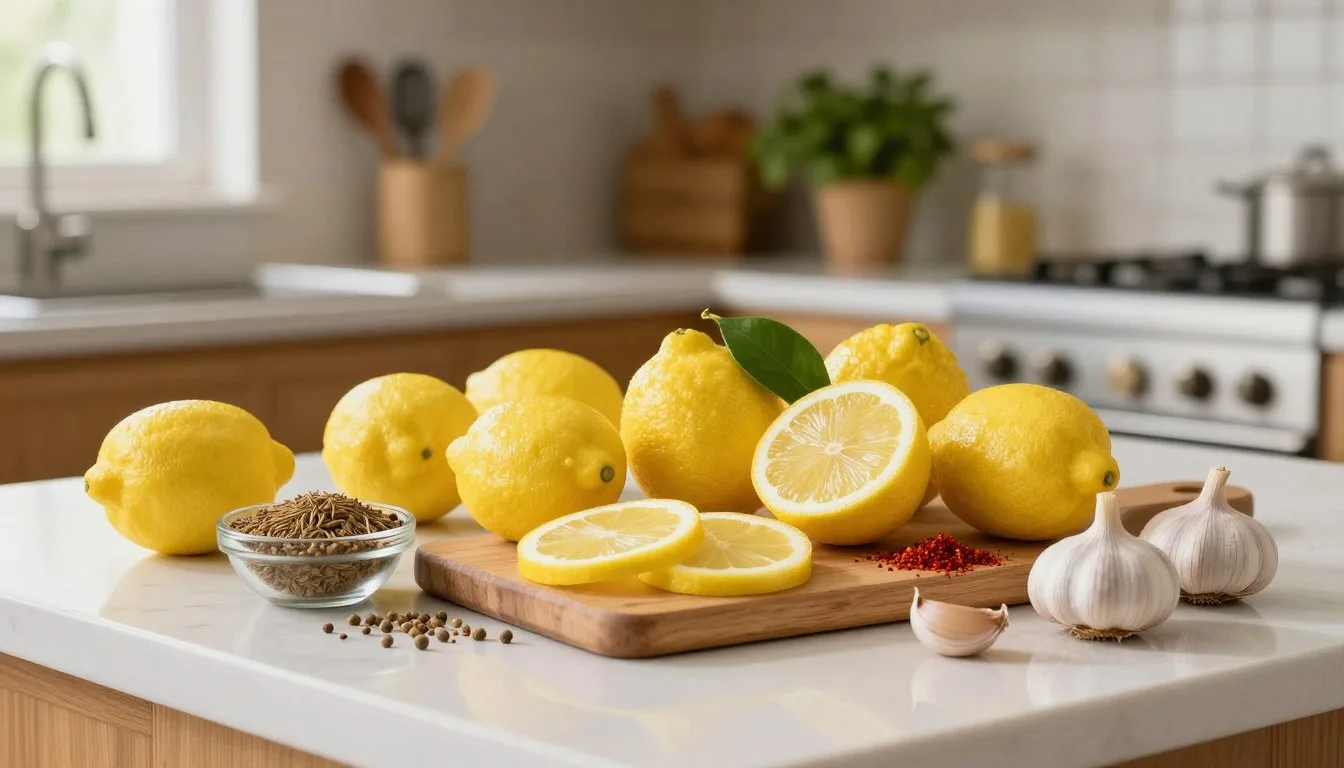
Olive oil coats the meat and helps carry spices across its surface. Lemon juice brightens the seasoning, while garlic gives the marinade savory depth. Cumin, coriander, turmeric, cinnamon, paprika, and other spices build its warm flavor.
Some marinades add honey or another sweetener alongside the spices. Measure each part so the marinade coats the meat evenly, rather than pooling at the bottom of the bowl. Measure the oil and spices before they reach the bowl so the marinade coats the chicken evenly.
Seven Healthy Swaps to Cut Fat
You can cut fat most easily by changing the chicken, added oil, and toppings before changing the spice blend. The goal is to control added fats, not remove the spices or all oil. Lemon, garlic, and warm seasoning can stay in the dish.
Try these changes one at a time. Small adjustments can suit your taste without making dinner feel like a different meal. Keep the flavor you enjoy, then choose where to cut back.
- Use skinless chicken breast in place of thighs for a leaner cut.
- Reduce and measure the marinade oil while keeping the lemon and spices.
- Avoid adding extra oil to the pan.
- Use a nonstick skillet or lined sheet pan instead of greasing heavily.
- Add vegetables in place of cheese.
- Spoon tahini onto your meal instead of pouring it freely.
- Choose a fresh salad or vegetables instead of fries.
Greek yogurt can form the base of a tangy shawarma sauce, giving you another creamy option. It does not need to replace every sauce or topping. Pick the changes that make sense for your meal and how you like to eat.
Oil helps carry flavor, so you do not need to remove every drop. A measured amount can still coat the chicken and spices. Make one or two swaps first, then adjust the rest to your taste.
An Easy Chicken Shawarma Recipe
For a boldly seasoned home version, marinate 2 pounds of chicken with lemon, garlic, olive oil, and warm spices, then roast or sear it. Let the covered chicken marinate in the fridge for at least 2 hours and up to overnight. This chicken shawarma recipe makes a useful base for pita or bowls.
You can lower the olive oil amount if you want to control added fat. Keep the lemon and spice blend in place for the same bright, warm flavor. Measure the ingredients so the coating reaches all the chicken.
Ingredients for the Marinade
- 2 pounds boneless, skinless chicken thighs
- 1/4 cup olive oil, juice of 1 lemon, and 3 minced garlic cloves
- 2 tablespoons honey or a substitute, plus salt and black pepper to taste
- 1 1/2 teaspoons each ground cumin and smoked paprika
- 3/4 teaspoon each ground cinnamon, ginger, dried oregano, and turmeric
- 1 large onion, thinly sliced
Oven Method and Skillet Finish
- Whisk the olive oil, lemon juice, garlic, honey, spices, salt, and pepper in a bowl.
- Coat the chicken in the marinade, cover it, and chill it for at least 2 hours or overnight.
- Heat the oven to 425°F. Arrange the chicken and sliced onion in a single layer without crowding.
- Roast for about 30 minutes, until browned and cooked through. Check the thickest piece with a thermometer.
- Rest the chicken for 5 minutes, then slice it thinly across the grain.
Oven times can change with the size of the pieces and your pan. The chicken must reach a safe internal temperature before you serve it. A thermometer gives you a more reliable check than appearance alone.
For a skillet option, heat a large skillet and sear the chicken in batches. Leave space around each piece so it browns rather than steams. Cook the onion with the final batch, or soften it separately in the same pan.
Both methods work for a home shawarma recipe, though a skillet gives you more direct control over browning. Check each batch, since smaller pieces may cook sooner. Rest the cooked chicken before slicing so its juices stay in the meat.
Garlic, Yogurt and Tahini Sauces
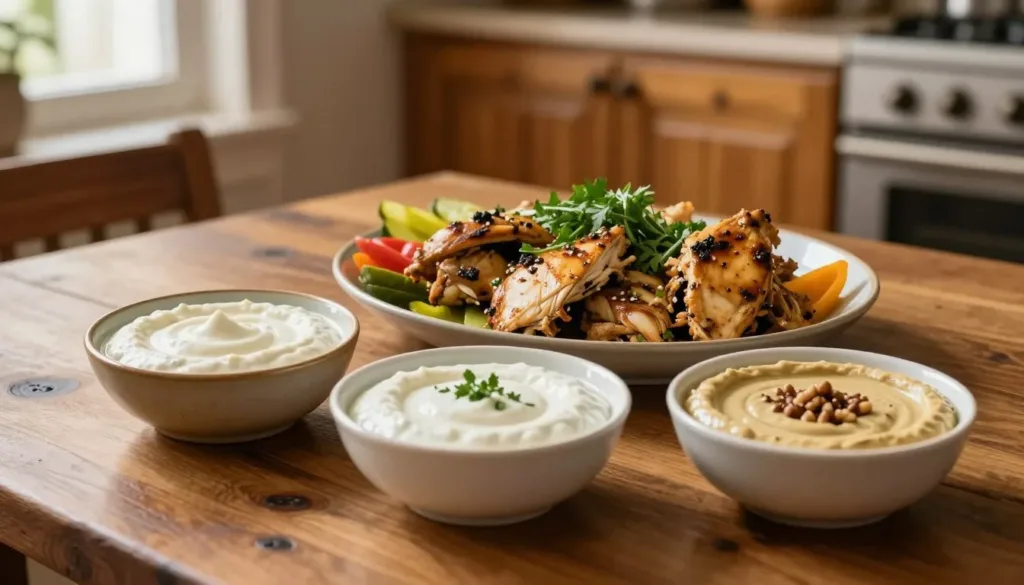
Toum brings the strongest garlic punch, while yogurt and tahini sauces offer creamy alternatives with different flavor profiles. Chicken shawarma is commonly served with garlic sauce, while tahini often pairs with meat shawarma. Choose a sauce for its texture and taste, not a claim that one is best.
Toum is a punchy garlic emulsion, a thick mixture made by blending ingredients into a smooth sauce. Yogurt sauce tastes tangy and cool, while tahini sauce has a rich, nutty flavor. Each sauce changes the bite in its own way.
| Sauce | Main ingredients | Flavor | Common pairing |
|---|---|---|---|
| Toum | Garlic and oil | Sharp, strong garlic | Chicken shawarma |
| Yogurt sauce | Plain yogurt, labneh, garlic, vinegar, lemon | Tangy and cool | Chicken and wraps |
| Tahini sauce | Tahini, lemon or lime, water, salt | Nutty and creamy | Meat shawarma |
Toum and Yogurt Sauce
For a simple yogurt sauce, stir together 170 grams plain yogurt, 2 tablespoons labneh, and 2 minced garlic cloves. Add 1 teaspoon white vinegar, lemon juice, salt, and black pepper. Add the lemon juice a little at a time until the sauce tastes bright but balanced.
A USDA school-recipe yogurt drizzle combines low-fat mayonnaise, low-fat Greek yogurt, vinegar, lime juice, garlic, sugar, parsley, and salt. Its mix shows that yogurt sauce can take different forms. Adjust garlic and citrus to suit your meal.
Tahini Sauce and Traditional Pairings
To make tahini sauce, stir 1/2 cup tahini with the juice of 1/2 to 1 lemon or lime and 1/2 teaspoon salt. Add 2-3 tablespoons water, a little at a time. More water makes the sauce thinner.
Use less citrus for a milder sauce, or add more for a sharper taste. Taste the sauce before serving and add lemon or water gradually to balance its acidity and thickness.
Wraps, Bowls and Sides
Warm pita, crisp vegetables, and a sauce turn the sliced chicken into a wrap, while rice makes an easy bowl base. Build the meal with a balance of tender chicken and fresh toppings. The cooler vegetables add contrast to the warm spices.
A home recipe that makes six pita pockets may serve four to six people. That is one serving example, not a rule for every household. Your portion can fit your appetite and the rest of the meal.
Build a Pita Wrap or Bowl
For a wrap, warm the pita, add sliced chicken, then layer on crunchy vegetables and pickles. Finish with your chosen sauce and fold the bread around the filling. For a bowl, spoon rice or another grain into a dish before adding the chicken and toppings.
You can use lettuce, cabbage, tomato, cucumber, or onion for crunch and freshness. Keep the vegetables in pieces that are easy to eat alongside the chicken. Pickles add a tart note that cuts through creamy sauce.
Serve a Plate with Sides
Serve the chicken on a plate with a few sides, or set out a spread for everyone to share. Fresh vegetables bring a cool, crisp contrast to the warm seasoning. Rice gives the meal a simple grain base.
- Rice
- Cucumber-tomato salad
- Hummus
- Pickles
- Roasted vegetables
Mix and match the sides based on what you have ready. A salad and pickles add fresh, sharp notes, while hummus brings a creamy texture. Put the toppings and sauces on the table separately so everyone can build a portion they enjoy.
A Balanced Meal and the FDA Healthy Claim
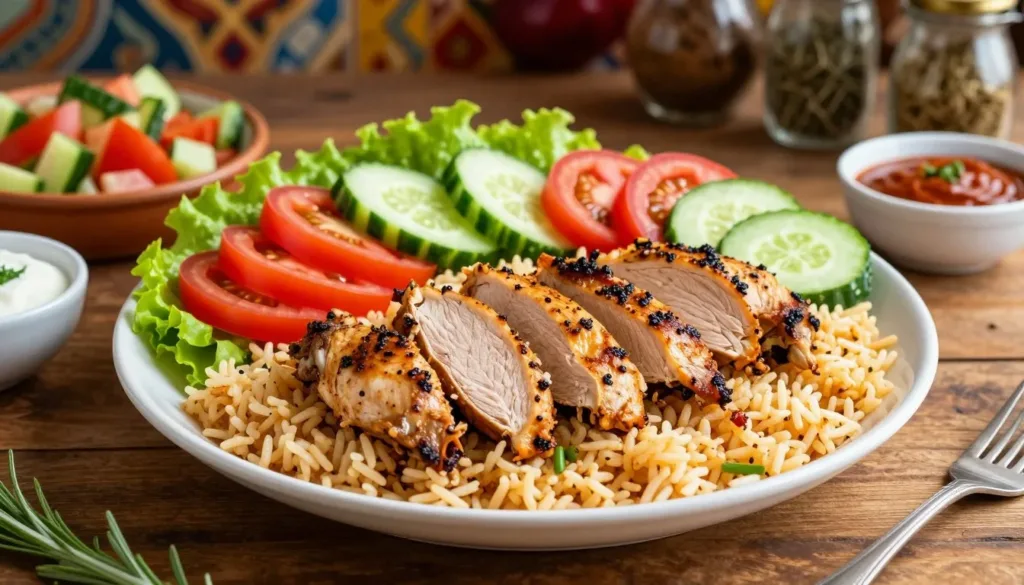
Chicken shawarma can fit a balanced meal, but the chicken, sauce, sides, and portions determine the overall mix. Lean chicken, vegetables, and a suitable grain can make a meal with several food types. The dish is not automatically junk food, though a large portion with fries and rich sauce changes the meal.
Sodium and added sugar can matter alongside fat and portion size. Sauces, salty toppings, and sides can shift the meal’s overall profile. Look at the whole plate, not just the chicken.
What Makes the Meal Balanced
Pair a suitable portion of chicken with vegetables and a grain that fits your needs. Add a sauce in an amount you enjoy, and account for salty or sweet extras. This approach leaves room for the flavors that make the recipe appealing.
A home recipe does not qualify automatically for a regulated “healthy” claim just because it includes nutritious ingredients. The FDA updated its voluntary “healthy” claim rule on December 19, 2024. The claim has specific food-group and nutrient limits.
FDA Criteria for a Healthy Claim
A meal needs 3 total food-group equivalents, with at least 1/2 equivalent from each of three or more food groups. It must have no more than 690 milligrams of sodium, 4 grams of saturated fat, and 10 grams of added sugar. The FDA meal claim limits set these thresholds.
A mixed product needs 1 total food-group equivalent, including at least 1/4 equivalent from each of two or more food groups. It must have no more than 345 milligrams of sodium, 2 grams of saturated fat, and 5 grams of added sugar.
An individual food needs 1 food-group equivalent and no more than 230 milligrams of sodium, 2 grams of saturated fat, and 2.5 grams of added sugar. Treat “healthy” as a defined label claim, not a guarantee attached to a dish name.
Make-Ahead, Storage and Reheating
Make the marinade and chop the vegetables ahead so dinner assembly takes less hands-on time. Keep cooked chicken in a covered container in the refrigerator for 3-4 days. Store sauces in separate containers so they keep their texture and do not soak the meat.
You can roast the chicken up to two nights ahead and refrigerate it for later meals. Mix the marinade and prepare toppings before serving day, but keep fresh vegetables chilled. Fresh toppings taste best when you cut them close to mealtime.
For leftovers, warm only the chicken you plan to eat. A skillet over moderate heat works well with a small splash of water or broth. Stir the pieces as they heat so the surface does not dry out.
Wait to assemble pita wraps until you are ready to eat. This keeps the bread from turning soggy against the sauce and vegetables. You can also reheat chicken for a rice bowl or plate.
Refrigerate leftovers promptly in a covered container and reheat only the portion you plan to eat.
Keep the Chicken Juicy and Well-Browned
Pale, watery chicken usually means the pan is crowded or the surface is not hot enough for browning. Give each piece room so moisture can escape. Crowded pans steam chicken instead of helping it brown.
Uneven pieces can finish at different times, leaving some dry while thicker ones remain undercooked. A few small checks make roasting or skillet cooking easier to manage.
- Spread chicken pieces in a single layer on the pan or sheet.
- Cook in batches if the skillet feels crowded.
- Cut pieces to similar sizes for more even cooking.
- Turn on ventilation before searing chicken on the stovetop.
- Check the thickest piece with an instant-read thermometer.
- Watch closely if you briefly broil the chicken for extra browning.
When you sear a full skillet at once, liquid gathers around the chicken. That moisture keeps the meat from browning well. Smaller batches let the hot surface do its job.
USDA FSIS recommends cooking chicken to a minimum internal temperature of 165°F. Insert an instant-read thermometer into the thickest piece to check the center. Use the thermometer rather than color alone to decide when the chicken is safely cooked.
Conclusion
A well-seasoned chicken shawarma meal does not need a complicated setup or every traditional topping. Keep the spices, lemon, and garlic, then shape the meal by choosing your cut, added oil, and toppings.
The same chicken can work in pita, over rice, or on a plate with vegetables. A measured amount of sauce adds flavor without taking over the whole meal. Choose sides that make dinner feel complete to you.
Make the recipe when you want a warm, savory meal you can adapt at home. Start with the chicken and spice blend, then build the portion around the sauce and sides you prefer.
FAQ
What is the difference between a chicken gyro and chicken shawarma?
Is chicken shawarma healthy?
Is chicken shawarma a junk food?
What does chicken shawarma taste like?
What is the pink stuff in a shawarma?
What does shawarma mean literally?
How do you pronounce “shawarma” in English?
What sides go with chicken shawarma?
What Did You Think? Rate This Recipe
Absolutely Tender and Packed with Flavor!
I followed this guide step by step and the beef shank came out amazingly tender and full of flavor. The tips on maintaining moisture made all the difference. Highly recommended for anyone trying this cut for the first time!