Corned Beef Recipe in the Crock-Pot: 4 Simple Ingredients
Table of Contents
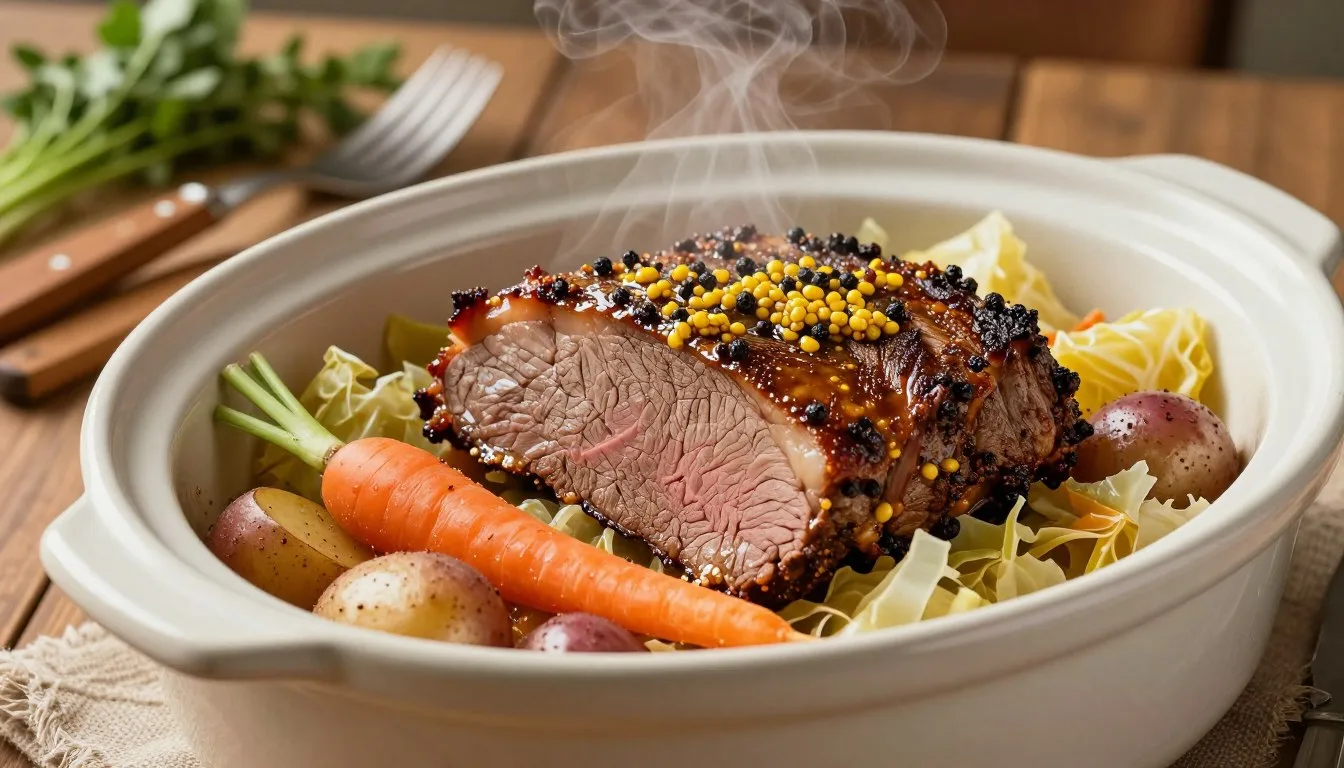
This four-ingredient corned beef recipe in the Crock-Pot pairs a seasoned brisket with water and cabbage for a hands-off dinner. The simple setup suits St. Patrick’s Day or any day you want a filling meal without much work. You can add optional vegetables, but they do not change the four-ingredient core.
The slow cooker gives the meat time to turn tender while you handle the rest of the day. You can serve the meal straight from the cooker, then save extra portions for another dinner. The method keeps the focus on the beef’s own seasoning, with cabbage alongside for a familiar pairing. Plan a little time for slicing before you bring the meal to the table.
Set aside a few minutes before serving to slice the brisket across the grain.
Why Four Ingredients Are Enough for a Crock-Pot Dinner
The four ingredients cover the essentials: seasoned brisket, cooking liquid, and cabbage to serve alongside it. The included packet brings the spices, while water keeps this slow cooker recipe easy to follow. You do not need a separate spice blend to build flavor.
Each item has a clear job, so the meal stays simple without feeling bare. The brisket supplies the main course, and the cabbage cooks beside it. Potatoes and carrots can make the dinner heartier, though they are optional additions.
- Corned beef brisket
- Its seasoning packet
- Water
- Cabbage
Corned beef is cured and seasoned before it reaches your kitchen. Its packet often contains spices that suit the brisket, so using it adds flavor without another shopping step. You can still choose a different cooking liquid later, but water is the plain, easy base.
Cabbage offers a mild, tender side that works well with the salty meat. A few wedges also soak up some of the cooking flavor. If you add other vegetables, keep in mind that they change the amount of food, not the recipe’s core ingredient count.
Four ingredients make it easier to plan a St. Patrick’s Day meal or a relaxed dinner on another day. You can keep the preparation short and let the cooker do its work. Keep the optional vegetables separate from the core ingredient count when describing the recipe.
Choose the Brisket and Keep the Ingredient List Simple
Flat and point cuts both work in the slow cooker, but they give you different textures when sliced or pulled apart. A flat cut is the leaner, more rectangular section of brisket, which makes it easy to slice into even portions. Choose the cut that fits how you want to serve the beef.
The seasoning packet usually comes with the corned beef brisket and gives the meat its classic spice flavor. Water is the simplest liquid for the cooker, while broth or beer are optional alternatives. Each changes the cooking liquid’s taste, but neither is needed for the basic recipe.
The Four Core Ingredients
The four core ingredients are corned beef brisket, its seasoning packet, water, and cabbage. A brisket package may also include a spice packet, so check inside before you season the meat. The packet is part of the recipe, not an extra ingredient you must buy.
Use water when you want the brisket’s cured flavor and included spices to lead. Beef broth can add a fuller savory taste, while beer brings a different note. Keep the liquid simple if you want fewer choices and a clear read on the meat’s flavor.
Flat-Cut and Point-Cut Brisket
Flat-cut brisket has a more even shape and less fat than point-cut brisket. Point-cut brisket carries more marbling and fat, which can give cooked pieces a softer, richer texture. A whole brisket includes both sections.
| Cut | Shape | Fat and texture | Best use |
|---|---|---|---|
| Flat | Rectangular | Leaner | Even slices |
| Point | Thicker and less uniform | More marbling | Tender chunks |
| Whole brisket | Both sections | Combines lean and fatty sections | Mixed slices and chunks |
For neat portions, the flat cut is often the easier pick. Point cut suits a serving style with tender chunks or less uniform pieces. A whole brisket gives you both textures, though it may need more room in the slow cooker.
A Quick Skillet Option for Canned Corned Beef
A canned corned beef and cabbage recipe works better as a quick skillet meal than as a long slow-cooker recipe. Canned corned beef is already cooked, so it does not need the brisket’s long treatment. Cook the cabbage until it reaches your preferred tenderness, then stir in flaked canned meat near the end to heat through.
The canned version gives you a faster way to make beef and cabbage when you do not have time for a whole brisket. It also has a different texture from fresh-cooked corned beef brisket. Choose brisket when you want the long, hands-off cook, and reserve canned corned beef for a quicker meal.
How to Make a Corned Beef Recipe in the Crock-Pot
Place a 3 to 4-pound corned beef brisket in the slow cooker, then add its seasoning packet and water. For this hands-off method, use 2 ½ to 3 cups of water, or enough to almost cover the meat. Cook on low for 8 to 10 hours, until the brisket is tender.
For a corned beef recipe in the crock-pot, keep the steps simple and let the low heat do the work. Add cabbage wedges for the final two hours, so they soften without spending the whole cooking time in the pot. Use this four-ingredient base for a traditional corned beef and cabbage recipe.
- Set the corned beef brisket in the slow cooker.
- Sprinkle the seasoning packet over the meat.
- Pour in 2 ½ to 3 cups of water, or enough to almost cover the brisket.
- Cover and cook on low for 8 to 10 hours.
- Add cabbage wedges for the final 2 hours of cooking.
- Check that the meat is tender before serving.
The exact result depends on the brisket’s size and shape, so start checking how easily it yields near the end of the cooking window. A fork should meet little resistance when the meat is ready to serve. If it still feels firm, let it continue cooking.
A traditional corned beef recipe can be served with cabbage, and a traditional corned beef and cabbage recipe uses this same simple slow-cooker base. The cooker can stay covered while the meal cooks, which helps keep heat inside. Cut the cabbage into wedges that can sit beside the brisket without crowding it.
Give yourself enough time for the full low cook rather than starting close to dinner. The brisket needs to become tender, not simply warm through. Let tenderness, rather than the clock alone, be the final check before serving.
Check Doneness and Compare Cooking Methods
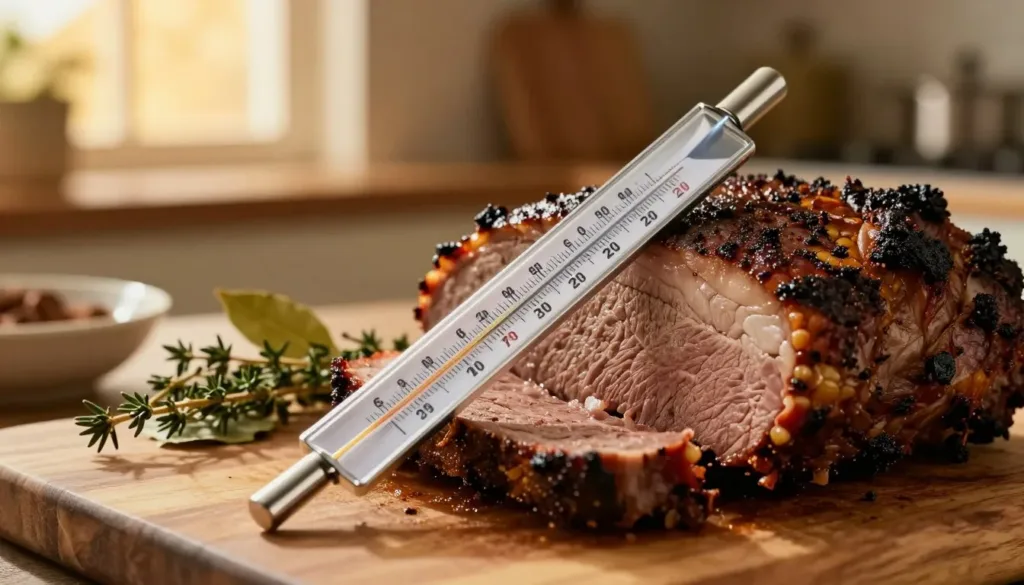
The food-safety minimum is 145°F with a 3-minute rest, but tender brisket needs more cooking. A safe temperature does not mean the meat will feel soft enough to slice and chew. For tender brisket, cook it to at least 190°F.
Collagen, the firm connective tissue in brisket, begins melting into gelatin between 160°F and 180°F. That change helps the meat turn tender during longer cooking. Use a thermometer to check safety, then test the texture separately.
The slow cooker suits a hands-off meal, while the Instant Pot is the faster option. An oven and a stovetop can also cook corned beef, with different levels of attention and timing.
| Method | Approximate time | What to expect |
|---|---|---|
| Covered Dutch oven | About 3 hours at 350°F | Oven-cooked brisket in a covered pot |
| Stovetop | About 2 ½ to 3 ½ hours | Gentle simmer for a 3 to 4-pound brisket |
| Instant Pot | Usually 60 to 80 minutes | Allow 10 to 20 extra minutes if needed, up to 90 minutes |
Stovetop corned beef recipes use a gentle simmer rather than a hard boil. A rolling boil can make it harder to keep the cooking steady. Keep the pot covered and use low heat once the liquid reaches a simmer.
For an Instant Pot, plan on 20 minutes per pound, which usually means 60 to 80 minutes. Add 10 to 20 minutes if the brisket needs more time, with cooking reaching up to 90 minutes. Let the brisket rest after cooking before you slice it.
Choose the slow cooker when your schedule suits a long, low cook with little attention. Pick the Instant Pot when you need a shorter cooking window. Use a thermometer for safety, then judge tenderness separately.
Add Potatoes and Carrots Without Making Them Mushy
Potatoes and carrots can join the brisket after it has had a head start in the slow cooker. Add them after the first 3 hours of cooking, so they have less time to soften. Cut larger pieces to help the vegetables hold their shape.
Big chunks stand up better to a long cook than small dice. Small pieces can break down before the brisket is ready, leaving you with a softer, less distinct texture. Cut potatoes and carrots into similar sturdy pieces so they cook at a similar pace.
When to Add Potatoes and Carrots
Add potatoes and carrots after the brisket has cooked for 3 hours. Open the lid briefly, place the vegetables around the meat, and cover the cooker again. Keeping the lid open only long enough to add them helps the cooker return to its cooking temperature.
Choose this timing when you want a fuller meal from the slow cooker without making the vegetables overly soft. The brisket still needs its long cooking time, while the vegetables get a shorter stretch in the pot. Keep the pieces large enough to lift out with a spoon.
Choose Vegetables That Hold Their Shape
Small red potatoes and Yukon Gold potatoes are practical choices because you can leave them whole or cut them in halves. Leaving the skins on can help the potatoes stay intact. Scrub them well before adding them to the cooker.
Cut carrots into thick chunks instead of thin coins. A thicker piece is less likely to collapse as the meat cooks. If your carrots are especially wide, split them lengthwise before cutting them into sections.
Make the pieces close in size so one vegetable does not turn soft while another stays firm. The shapes do not need to match perfectly, but avoid tiny scraps. Cut the vegetables into sturdy pieces rather than small dice.
Serve It Fresh or Rework the Leftovers
Let the brisket rest for 5 to 10 minutes, then slice it across the grain. This short rest gives the meat a moment to settle before you cut it. Cutting against the grain makes each piece easier to chew.
Look for the direction of the long muscle fibers, then slice across them rather than along them. Keep the slices even if you want them to fit neatly on a plate or sandwich. A sharp knife helps you cut cleanly without pressing down hard.
Slice and Serve the Brisket
Serve slices with cabbage and any cooked vegetables you made alongside the brisket. Whole-grain mustard or horseradish can go on the table for anyone who wants a sharper taste. A small amount lets the seasoned beef stay in the lead.
Trim away a thick strip of visible fat if you prefer a leaner bite, but leave the slices intact. The flat cut is often easy to portion, while point-cut pieces may include more marbling. Both can make a satisfying plate.
Turn Leftovers Into Another Meal
Corned beef recipes can turn leftover slices into Reuben sandwiches or corned beef hash. For sandwiches, use slices that hold together when lifted. For hash, chop the meat into small pieces that mix well with the other ingredients.
Some fat can add flavor and texture to hash, so you do not need to trim every bit from the leftovers. If a slice feels dry, warm it gently with a little cooking liquid. Use the meat in portions that suit your next meal.
Leftover brisket also works as a simple filling for a warm sandwich, with mustard on the side. Slice only what you plan to serve, then keep the rest for another meal. Keep the first serving simple so the brisket’s seasoned flavor stays central.
Manage Salt and Avoid Common Cooking Mistakes
If you are sensitive to salt, adjust the brisket before it goes into the slow cooker. Rinsing is optional, and it does not replace safe cooking. To reduce sodium, soak the brisket in cool water for 1 hour, then fresh water for another hour.
Keep the brisket refrigerated during both soaking stages. Change the water after the first hour, then return the meat to the refrigerator. This method can soften the salty taste without removing the seasoning packet from the recipe.
Reduce Saltiness Before Cooking
A rinse can wash off surface brine, but it may not change the meat’s salt level as much as a soak. You can skip rinsing if you like the brisket’s stronger cured flavor. Taste the finished meal before adding salt to the plate.
Broth may add more savory flavor, but water keeps the base plain and lets the seasoning packet stand out. Avoid adding extra salt before you know how salty the brisket tastes after cooking. The cure and spice packet already bring seasoning.
Avoid Easy Slow-Cooker Errors
Small habits can affect the result or make the meal harder to manage. Keep these common mistakes off your list:
- Adding extra salt before tasting the cured brisket and seasoning packet
- Repeatedly lifting the slow cooker lid
- Leaving the brisket unrefrigerated while soaking
- Filling the cooker past its marked limit
Opening the lid again and again lets heat escape and interrupts steady cooking. Use the cooker’s fill mark as your guide, especially if you add vegetables. Leave enough space for the lid to close fully.
Check the brisket package and cooker size before you begin. A larger cut or extra vegetables can crowd the pot, so keep additions within the cooker’s marked limit. Keep the brisket refrigerated throughout any soaking period.
Store and Reheat Leftovers Safely
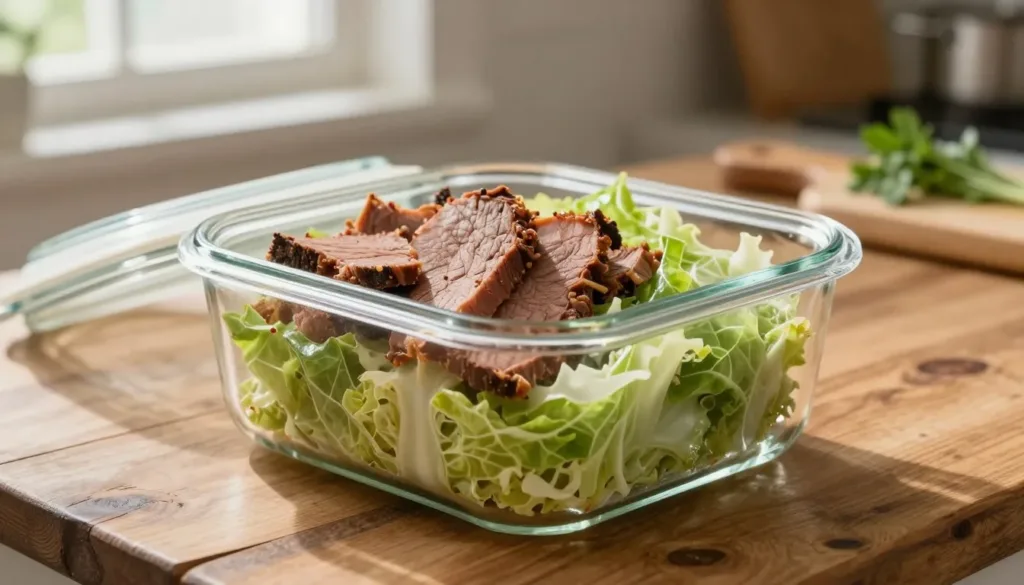
Refrigerate cooked brisket leftovers promptly in an airtight container and use them within 3 to 4 days. Quick chilling helps you handle extra meat and vegetables with care. Keep cooked brisket and vegetables chilled until you reheat them.
Separate large portions into smaller containers so they cool more easily. Store cabbage and other vegetables with the meal or in their own container. Label each one with the date before placing it in the refrigerator.
Cooked Brisket and Vegetables
Reheat brisket gently with a little water or cooking liquid to help keep the meat moist. Warm only the portion you plan to eat, and stir or turn it as needed. Take care not to dry the slices with high heat.
You can freeze cooked brisket if you want to keep it longer. Vegetables may soften after freezing, so freeze the meat separately if you want a better texture. Pack the beef in an airtight container and keep it apart from the cabbage.
Thaw frozen portions in the refrigerator before reheating them. Add a small amount of cooking liquid when warming brisket, especially if you have sliced it thinly. This helps the meat heat without turning dry at the edges.
Opened Canned Corned Beef
After opening canned corned beef, move any unused meat into a glass or plastic container. Cover it and refrigerate it, then use it within 3 to 4 days. Transferring the meat out of the can can help it keep better flavor.
Store opened canned meat apart from uncooked foods and keep the container covered. Use a clean utensil when taking out a portion, then return the rest to the refrigerator. Label the container with the date so you can use it within the safe storage window.
Conclusion
A relaxed slow-cooker dinner starts with a simple plan and enough time for the brisket to turn tender. The method stays manageable when you keep the steps easy and check the meat’s texture before serving. Time and tenderness matter more than adding extra ingredients.
Use the seasoning that comes with the brisket, and let the slow cooker handle the steady work. A good slice across the grain makes serving easier, while prompt chilling keeps extra portions ready for later. Those two habits help you enjoy the meal without adding fuss.
Choose a day when the long, low cook fits your schedule. Set out the ingredients and choose a start time that leaves room for the long, low cook.
FAQ
How do you cook brisket in a slow cooker?
Is it better to cook corned beef in the oven or boil it?
Can I do corned beef in the slow cooker?
What is the best way to cook corned beef in a crockpot?
What is the best liquid to cook corned beef in?
What happens if you don’t rinse corned beef before cooking?
What are common mistakes to avoid when cooking corned beef?
What is the secret to the best corned beef?
Looking for dinner tonight? Browse our easy meat and chicken recipes.
What Did You Think? Rate This Recipe
Absolutely Tender and Packed with Flavor!
I followed this guide step by step and the beef shank came out amazingly tender and full of flavor. The tips on maintaining moisture made all the difference. Highly recommended for anyone trying this cut for the first time!