
How to Cook Beef Shank for Tender, Fall-Off-the-Bone Meat
Table of Contents
How to Cook Beef Shank for Tender, Fall-Off-the-Bone Meat
Learning how to cook beef shanks is a rewarding skill for any home cook. This tough, flavorful cut becomes tender with patience and the right technique.
Our guide uses classic braising to create fall-off-the-bone beef. You will also learn to adapt this beef shank recipe for a stovetop, slow cooker, or pressure cooker.
Success starts with choosing high-quality, bone-in beef shanks. We explain why browning the meat builds deep flavor. Finally, learn how to test for tenderness before serving your meal.
Key Takeaways
- Choose bone-in cuts to ensure maximum flavor and collagen breakdown.
- Always sear the meat thoroughly to create a rich, savory base.
- Braising is the most reliable method for achieving a melt-in-your-mouth texture.
- Utilize kitchen tools like slow cookers or pressure cookers for added convenience.
- Check for tenderness by ensuring the meat pulls away easily from the bone.
Gather Beef Shanks, Ingredients, and Cooking Equipment
Start with an organized workspace before cooking. Gather the right tools and high-quality ingredients before turning on the stove.
Choose Bone-In Beef Shanks for Maximum Flavor
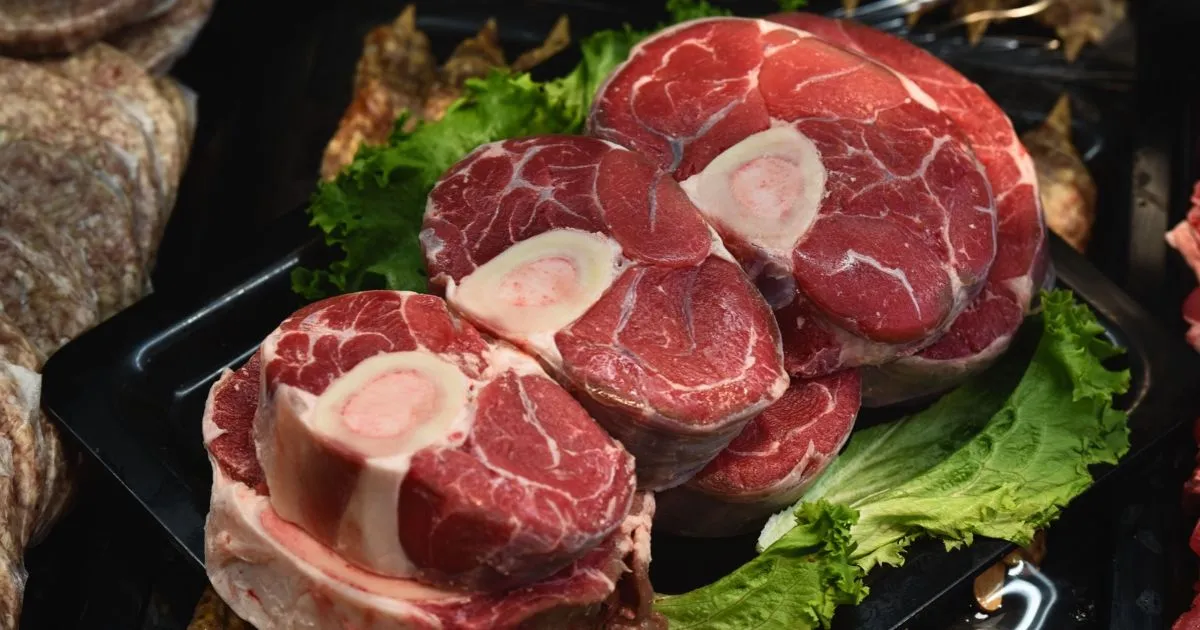
At the butcher, choose bone-in beef shanks first. Their marrow melts into the sauce, creating rich flavor that boneless cuts cannot match.
Look for Well-Marbled Cuts with Consistent Thickness
Choose cuts with visible marbling throughout the meat. During long cooking, the fat renders and makes the final result incredibly succulent. Also choose evenly thick cuts so the meat cooks evenly from edge to center.
Prepare the Vegetables, Aromatics, and Braising Liquid
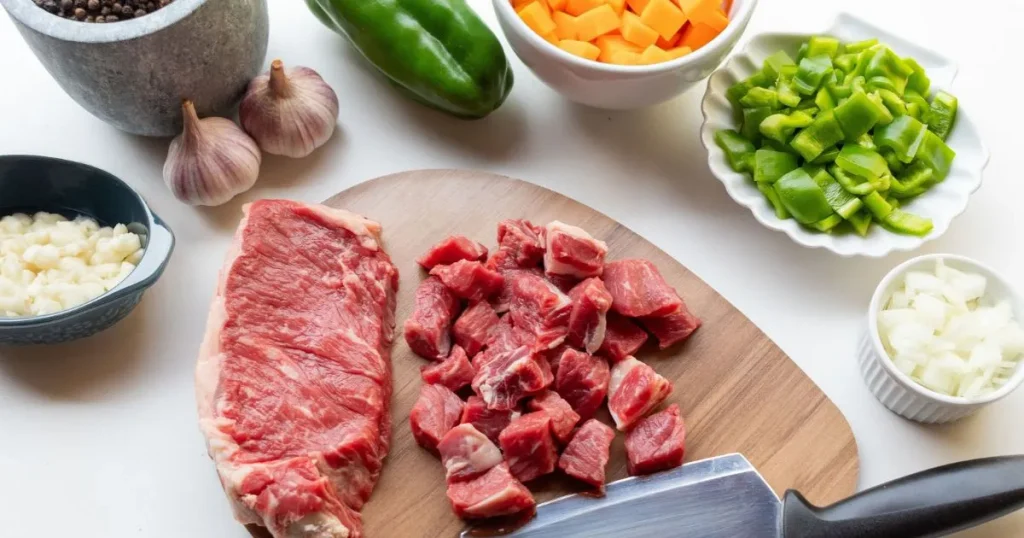
Gather your beef shank ingredients next. Use onions, carrots, and celery for a classic mirepoix and savory base. Include beef shank seasoning with fresh thyme, rosemary, and bay leaves.
Use Beef Stock, Aromatics, and Acid for a Richer Sauce
The braising liquid gives the dish its depth. Mix high-quality beef stock with red wine or balsamic vinegar. This acidic ingredient cuts through the meat’s richness and helps tenderize connective tissue.
Set Up a Dutch Oven or Other Heavy Cooking Vessel
Use a heavy-duty pot for the best results. A Dutch oven beef shanks preparation is the gold standard for home cooks. These pots hold heat well, keeping the braising temperature steady.
A heavy pot also moves easily from stovetop searing to oven roasting. A Dutch oven beef shanks recipe keeps the meal moist and builds complex, professional-grade flavor.
Prepare the Beef Shanks Before Braising
Deep, savory flavor begins before the beef reaches the oven. Handle each ingredient with care to create every bite’s rich, complex notes, the mark of a perfect braise.
Trim Excess Surface Fat Without Removing Flavorful Tissue
Inspect the beef shanks for large, thick deposits of exterior fat. Trim away excessive, chewy chunks, but leave the connective tissue around the bone. This tissue is essential for creating a silky, gelatinous texture during the long cooking process.
Pat the Beef Shanks Dry and Season Them Thoroughly
Moisture can prevent a good sear. Pat the meat dry with paper towels until its surface is completely dry. Then season the shanks generously with kosher salt and freshly cracked black pepper to enhance the natural beefy profile.
Brown Each Side to Build a Deep, Savory Crust
Heat a heavy-bottomed pan over medium-high heat with a small amount of oil. Place the meat in the pan and let it form a dark, golden-brown crust. This process, called searing beef shanks, builds flavor and creates the foundation for your sauce.
Avoid Crowding the Pan During Searing
Cooking all the pieces at once may seem tempting, but resist the urge. A crowded pan loses heat, causing the meat to release juices and steam instead of brown. Cook in batches so each piece gets direct contact with the hot surface.
Deglaze the Pan to Capture the Caramelized Fond
After removing the browned meat, find dark, flavorful bits stuck to the pan bottom. Pour a small amount of your braising liquid or high-quality beef stock into the hot vessel to deglaze pan surfaces. Use a wooden spoon to scrape them up and add the meat’s concentrated essence to your final sauce.
| Preparation Step | Primary Goal | Key Benefit |
| Trimming | Remove excess fat | Prevents greasy sauce |
| Drying | Remove surface moisture | Ensures better browning |
| Searing | Create Maillard reaction | Deepens flavor profile |
| Deglazing | Release fond | Enriches the braising liquid |
Braise Beef Shanks in the Oven for Fall-Off-the-Bone Tenderness
After you prepare the base, the oven does the hard work and creates a melt-in-your-mouth texture. This method is the gold standard for tender beef shanks that nearly fall off the bone with little effort.
Step 1: Soften the Aromatics in the Same Cooking Vessel
Return your Dutch oven to the stovetop over medium heat. Add the chopped onions, carrots, and celery to the remaining fat.
Sauté the vegetables until they become soft and fragrant. This step builds a rich foundation of flavor that infuses the meat.
Step 2: Add the Braising Liquid Without Submerging the Meat Completely
Pour in red wine, beef stock, or another chosen braising liquid until it reaches halfway up the shanks. Avoid covering the meat entirely, so the top can steam and develop deeper flavor.
Step 3: Cover the Dutch Oven Tightly
Place the lid securely on your Dutch oven to trap moisture inside. A tight seal is essential during the long cooking time.
Step 4: Cook the Beef Shanks Low and Slow
Transfer the vessel to your preheated oven. Maintain a gentle simmer instead of a rapid boil, so the connective tissue breaks down properly.
Use 325°F and Check for Tenderness After Several Hours
Cook 325°F beef shanks slowly and patiently. The total beef shank cooking time usually ranges from two and a half to three hours. Check periodically to ensure the liquid level stays consistent.
Step 5: Rest the Meat Before Serving
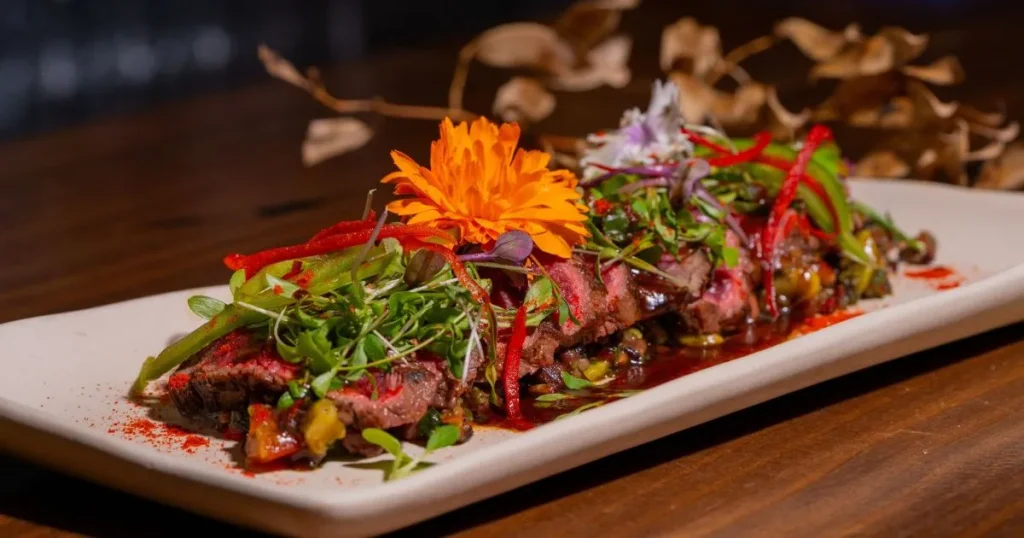
When cooking ends, remove the pot from the oven and let it rest for at least fifteen minutes. This allows the juices to redistribute, keeping each bite moist and flavorful.
Confirm Doneness When a Fork Slides Easily into the Meat
Your braised beef shanks are ready when a fork slides into the meat’s center with zero resistance. If the meat feels firm, return it to the oven for another twenty minutes and test again.
Use Stovetop, Slow Cooker, or Pressure Cooker Methods
You can adapt this recipe to fit your kitchen tools and schedule. Each approach uses moist heat to soften tough connective tissue. Whatever vessel you choose, cook until a fork enters the meat without resistance.
For stovetop beef shanks, use a heavy pot, such as a Le Creuset Dutch oven. This method gives you full control of the heat. Keep the liquid at a gentle simmer so collagen melts into a rich, silky sauce.
For a hands-off option, slow cooker beef shanks deliver excellent results. Set your Crock-Pot to low for eight hours for signature fall-off-the-bone texture. This method suits busy days because a hearty meal waits when you return.
When time is short, pressure cooker beef shanks offer a fast solution. An Instant Pot greatly reduces cooking time while locking in moisture. You still get deep, savory flavor from traditional braising.
Mastering this beef shank meal requires a few basic steps. Season and brown the meat, add flavorful braising liquid, and let the beef rest before serving.
Try these techniques to find the best fit for your lifestyle. Share your favorite results with us, helping others perfect their own kitchen creations.
FAQ
What should you look for when selecting the best beef shanks at the grocery store?
At Whole Foods Market or your local butcher, look for bone-in beef shanks with even thickness and visible marbling. Fat streaks and connective tissue break down during slow cooking, keeping the meat succulent. Choose a well-marbled cut from Certified Angus Beef for rich, beefy flavor.
Why is it necessary to brown the beef shanks before you start the braising process?
Browning starts the Maillard reaction, creating a deep, savory crust and complex flavors raw simmering cannot produce. Sear shanks in a Lodge Cast Iron skillet or Dutch oven to form caramelized fond, or flavorful brown bits. Deglazing the vessel with acidic liquid turns this fond into the base of a professional-grade sauce.
What is the ideal equipment for cooking beef shanks to achieve a fall-off-the-bone texture?
A heavy, lidded vessel, such as a Le Creuset Dutch oven, is highly recommended. Its enameled cast iron holds heat well and moves smoothly from stovetop browning to slow oven roasting. Its tight lid traps moisture, helping tough collagen become silky gelatin.
How much braising liquid do you need to add to the cooking vessel?
Add beef stock, aromatics, and acidic ingredients, such as red wine or canned Mutti tomatoes, halfway up the meat. Do not fully submerge the shanks. Partial exposure lets the top roast while the bottom simmers, creating more concentrated, flavorful braising liquid.
Can you prepare beef shanks using a slow cooker or a pressure cooker?
Yes, both methods are excellent alternatives to oven cooking. Set a Crock-Pot to low for 8 to 10 hours for classic Osso Buco tenderness. An Instant Pot pressure cooker speeds connective-tissue breakdown; first brown the meat with its “Sauté” function.
How do you know exactly when the beef shanks are finished cooking?
Use the “fork-tender” test to check doneness. After 3 hours in a 325°F oven, use a fork; ready meat pulls from the bone easily, with minimal resistance. Let the meat rest for at least 10 to 15 minutes before serving, allowing juices to redistribute.
What role do aromatics and acidity play in your beef shank recipe?
Mirepoix, a mix of onions, carrots, and celery, plus garlic and herbs, creates a fragrant base. Add acidity, such as red wine vinegar or a dry Cabernet. This is crucial because acid breaks down tough meat fibers and balances the richness of fat and marrow.
For more delicious recipes, check out our blog
One Comment
Comments are closed.