Ground Beef Pasta Recipes: 10 Quick Ideas in 30 Minutes
Table of Contents
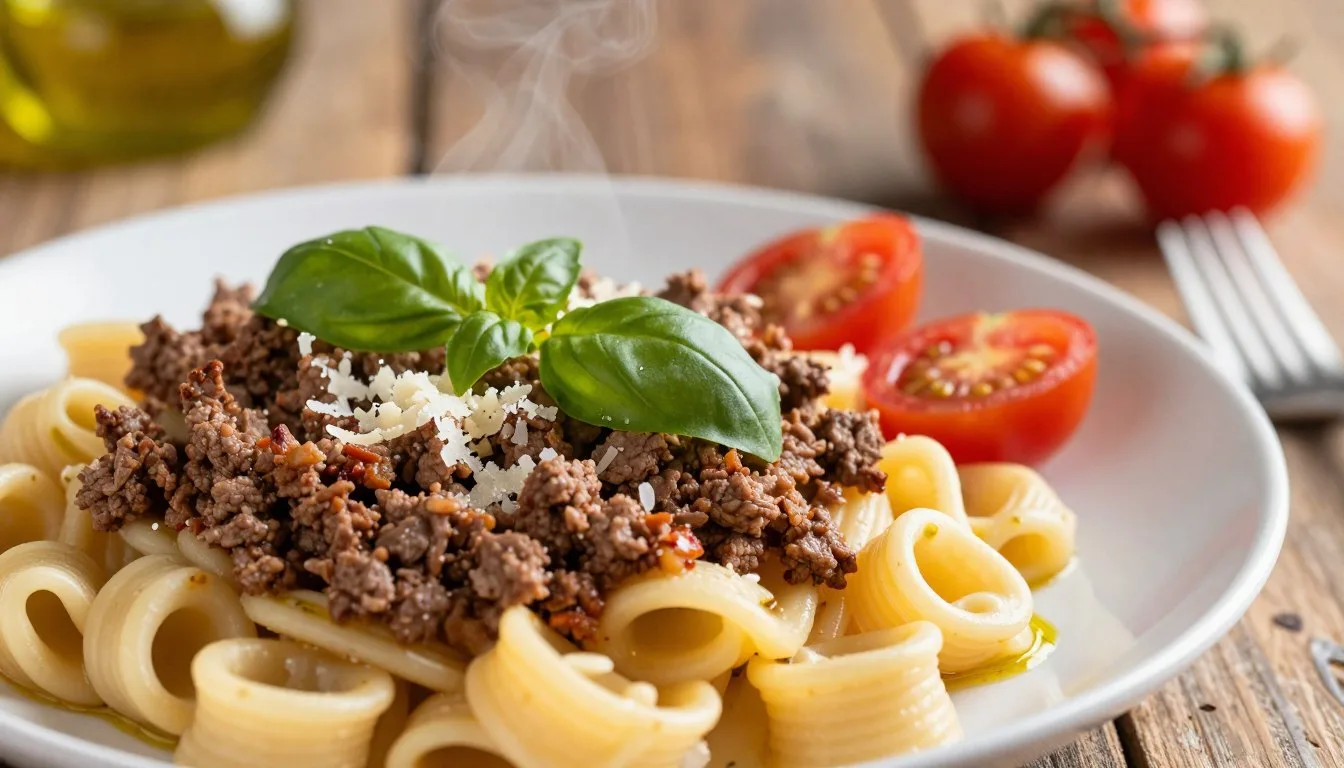
Ground Beef Pasta Recipes give you quick, satisfying weeknight options, from creamy one-pot pasta to a simple skillet sauce. When the day runs long, dinner can still come together without a long ingredient list or a sink full of dishes. You can make pasta in one pot or spoon a stovetop sauce over pasta cooked separately. These 10 adaptable ideas include one fully measured recipe you can make in about 30 minutes.
Al dente means cooked until tender but still firm when you bite it. The methods here let you choose the texture and sauce that suit your evening, plus the pasta and pantry staples you have ready. You can keep the meal simple or add a vegetable as the sauce cooks. A familiar pasta shape makes the first try easier, too. Keep dinner practical by starting with what is already in your kitchen. Choose a pasta shape you already have on hand to keep dinner moving.
Ground Beef Pasta Recipes for 10 Quick Weeknight Dinners
A short list of pantry staples can become a creamy one-pot dinner, a cheesy skillet, or a tomato-forward pasta in about half an hour. Choose your method based on the time and dishes you have available.
Simple ground beef pasta recipes can start with short pasta, ground beef, tomato sauce, and a familiar seasoning blend. Creamy ground beef pasta recipes can use cream and cheese, while simple ground beef pasta recipes with tomato sauce need only a few pantry basics. For simple ground beef pasta recipes with few ingredients, use short pasta, ground beef, tomato sauce, and familiar seasoning.
- One-pot creamy tomato fusilli cooks in its sauce and finishes with cream.
- Stovetop tomato sauce with rotini and cheddar uses pasta cooked in a separate pot. It takes about 25 minutes.
- Spinach and diced tomato shells bring greens into a tomato and beef skillet.
- Quick tomato-Parmesan skillet pasta uses tomato sauce, cream, and grated Parmesan.
- Whole-wheat pasta with carrots and cream cheese adds grated vegetables and a creamy finish.
- Marinara shells with cream combine 2 cups shells, 2 cups marinara, 2 cups water, and 1 cup cream.
- Spicy tomato pasta gets heat from red pepper flakes.
- A no-cream tomato and herb skillet uses herbs for flavor without a creamy sauce.
- Broth-based garlic-herb pasta skips tomatoes and cream for a savory sauce.
- Beef-strip pasta uses thin slices of beef, not ground beef, and needs a quick sear.
| Dinner style | Pasta method | Sauce base | Best fit |
|---|---|---|---|
| One-pot creamy tomato pasta | Cook pasta in sauce | Tomato, broth, cream | Fewer dishes |
| Separate-pot tomato-and-cheese pasta | Boil pasta separately | Tomato sauce, cheddar | Control over texture |
| Spinach-tomato skillet pasta | Boil shells separately | Diced tomatoes, beef broth | A skillet with greens |
The separate-pot creamy tomato version uses 1 1/2 pounds ground beef, 1/2 pound rotini, 16 ounces tomato sauce, chicken broth, half-and-half, and cheddar. Its sauce simmers for 15 minutes while the pasta cooks separately for 7 minutes or according to its package. The spinach-tomato skillet uses 12 ounces shells, 1 pound ground beef, 2-3 cups spinach, two 14.5-ounce cans diced tomatoes, and 1 cup beef broth.
A quick tomato-Parmesan skillet takes about 25 minutes with 8-10 ounces pasta, 1 pound beef, 14 ounces tomato sauce, 1/4 cup cream, and Parmesan. Whole-wheat pasta pairs with carrots and cream cheese for a filling variation. Pick the one-pot method when you want to minimize dishes, and the separate-pot method when you want more control over pasta texture.
One-Pot Creamy Tomato Beef Pasta
This creamy tomato beef pasta serves 4-5 and takes 30 minutes from prep through cooking. One large pot cooks the pasta right in the tomato and broth sauce, giving the short pasta time to soak up flavor.
Use 4 cups chicken stock and one 14-ounce can crushed tomatoes for 12 ounces pasta. That liquid ratio lets the pasta cook in the sauce while it thickens. Fusilli, penne, or elbow macaroni all work well.
Ingredients for Four to Five Servings
Gather the ingredients before you heat the pot. The chopped onion and garlic soften first, while tomato paste and Italian herbs build the base. Keep grated Parmesan and parsley nearby for serving.
- 1 pound ground beef; 12 ounces short pasta, such as fusilli, penne, or elbow macaroni
- 4 cups chicken stock; one 14-ounce can crushed tomatoes; 3/4 cup heavy cream
- 2 tablespoons tomato paste; 2 teaspoons Italian herbs; 2 garlic cloves, chopped; 1 onion, chopped
- 1 1/2 tablespoons olive oil; 1 1/2 teaspoons cooking salt; 1/2 teaspoon black pepper
- 1/2 teaspoon red pepper flakes, optional; grated Parmesan and chopped parsley, for serving
A large, heavy pot gives the pasta room to move and helps the sauce heat evenly. Chop the onion and garlic into small pieces so they soften fast. If you want less heat, leave out the red pepper flakes.
Simmer the Pasta in the Sauce
Set a large, heavy pot over medium heat and add the olive oil. Add the chopped onion and garlic, then cook for about 1 1/2 minutes, stirring until softened and fragrant. They should not brown deeply.
Add the ground beef and break it into small pieces with a spoon. Cook until no red remains, stirring so the meat browns evenly. Ground beef should reach 160°F for food safety, so check the largest pieces with a food thermometer.
Stir in the Italian herbs and cook for 30 seconds. Add the tomato paste and stir for 1 minute, coating the beef and aromatics. This short cook helps the paste blend into the sauce instead of tasting raw.
Pour in the chicken stock and crushed tomatoes. Add the salt, black pepper, optional red pepper flakes, and short pasta, then stir to combine. Bring the mixture to a steady simmer, not a hard boil.
Cook for 15 minutes, stirring regularly so pasta does not settle and stick. Stir more often near the end, when the sauce gets thicker and the pasta releases starch. If the simmer drops, raise the heat slightly, then lower it again once bubbles return.
Check the pasta near the end of its cooking time. It should feel tender with a slight bite, and the sauce should still move when you stir. A few minutes of rest will soften the pasta further.
Finish with Cream and Parmesan
Stir in the heavy cream and simmer for 1-2 minutes. Take the pot off the heat, then stir well so the cream blends through the tomato sauce. The pasta may look soupy at first because it keeps absorbing liquid as it sits.
Spoon the pasta into bowls while it is warm. Add grated Parmesan at the table, and scatter chopped parsley over each serving if you like. The cheese adds a salty finish, so taste before adding more salt.
If the sauce tightens before serving, stir the pasta once to spread the liquid through the pot. The texture will change as it rests, so avoid cooking the sauce down until it looks dry. Check that the ground beef reaches 160°F before serving.
Pick the Right Pasta and Cooking Method
The one-pot method depends on a generous amount of liquid because dried pasta absorbs more than twice its weight as it cooks. That absorption is why the amount of broth and water matters as much as the pasta shape.
The featured ratio is designed for 12 ounces of short pasta. Fusilli, penne, ziti, elbow macaroni, and shells are practical choices for beef pasta cooked in a pot. They are sturdy shapes that fit easily in the sauce.
| Choice | How the pasta cooks | Liquid or sauce | Practical result |
|---|---|---|---|
| Short pasta in sauce | Simmer together | Broth and tomato sauce | One pot, fuller flavor |
| Long pasta, broken in half | Simmer together | Broth and tomato sauce | Long strands fit the pot |
| Pasta boiled separately | Cook in boiling water | Mix with finished sauce | Separate control of texture |
Long pasta can work in the featured method if you break it in half before adding it. Use up to about 400 grams, or 14 ounces, in place of 12 ounces short pasta. Stir as it softens so the strands do not clump together.
Very small shapes such as orzo are poor choices for this one-pot method. They cook quickly and can absorb too much liquid before the sauce has time to develop. For a different texture, you can boil any pasta separately and stir it into the finished sauce.
Separate-pot cooking also helps when you want to make the sauce ahead or cook pasta to a precise bite. Drain the pasta, then mix it with enough sauce to coat each piece. Use separate-pot cooking when you want to control the pasta’s doneness independently from the sauce.
Simple Swaps for No-Cream and No-Tomato Pasta
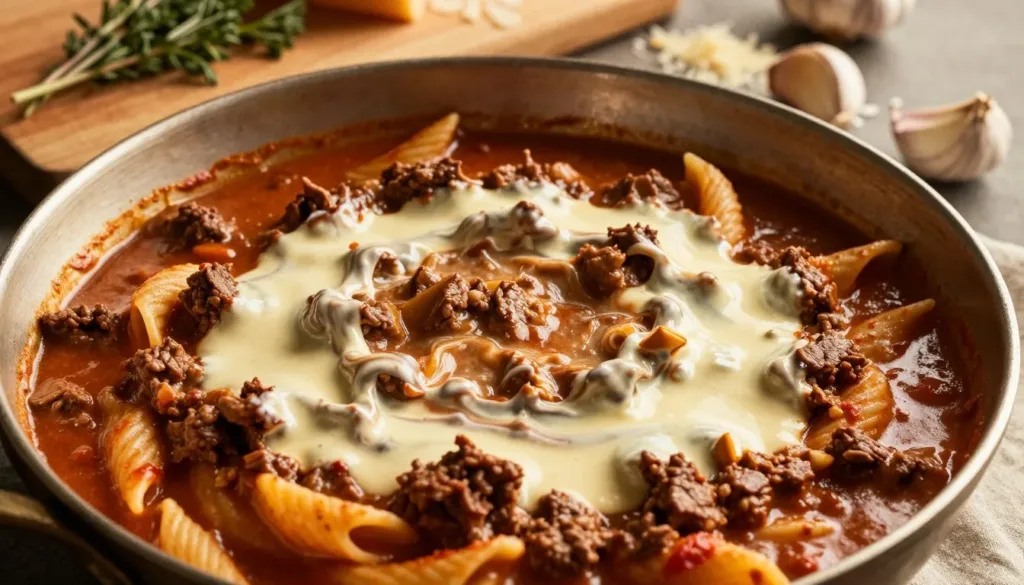
You can keep the pasta creamy with half-and-half or plant-based cream, or skip both cream and tomato sauce for a broth-based variation. Small changes can shift the flavor and texture without changing the basic beef-and-pasta idea.
Half-and-half is the simplest swap for heavy cream. Whole milk makes a thinner sauce, so stir it in over low heat to help it blend smoothly. Plant-based cream can replace dairy cream in the same role.
Keep It Creamy Without Heavy Cream
For a cream-cheese pasta sauce, soften the cream cheese before you use it. Stir it into warm sauce off the heat until it melts and looks smooth. Add reserved pasta water a little at a time if the sauce feels too thick.
This cream-cheese option works with tomato sauce or a mild broth base. Start with a small amount, stir, and taste before adding more. The result is rich and tangy, with a thicker texture than a sauce made with milk.
When you cook pasta separately, keep some reserved pasta water before draining it. In a spinach-tomato skillet, that starchy water helps the sauce cling to shells. Add only enough to loosen the sauce without washing away its flavor.
Make a Sauce Without Tomatoes or Cream
A broth-based garlic-and-herb sauce makes a simple ground beef pasta recipe with no tomato sauce or cream. Soften garlic in a little oil, add broth and herbs, then stir in cooked pasta. Finish with reserved pasta water and Parmesan.
This is a variation, not the featured creamy tomato recipe. Use Italian seasoning or a mix of dried herbs, and taste the broth before adding salt. Parmesan brings a savory finish, while the pasta water helps the sauce coat each piece.
Pasta with beef strips uses a different cut and cooking approach from ground beef pasta. Sear thin strips quickly, remove them while you make the sauce, then return them at the end. Add reserved pasta water a splash at a time so a thinner sauce clings to the pasta instead of pooling.
How to Make Ground Beef Pasta a Balanced Dinner
Ground beef can fit into a balanced dinner, but how often you eat red meat and what you serve with it matter. Portion size and the full meal shape the picture more than one ingredient alone.
Doctors advise limiting red meat as part of cancer-prevention guidance, while ground beef still provides protein and other nutrients. The American Institute for Cancer Research recommends limiting red meat to 12-18 ounces cooked per week and eating little, if any, processed meat.
Ground beef can contribute protein and other nutrients, while its fat content depends on the cut. The rest of the meal matters, too. A bowl with vegetables differs from one served without them, so avoid calling every ground beef dish healthy or unhealthy.
The weekly recommendation is part of cancer-prevention guidance on red and processed meat. The guidance supports limiting these foods; it does not mean one serving alone defines your health. You can choose leaner ground beef and add vegetables to a pasta meal.
From 2017 to 2020, people aged 2 years and older in the United States consumed an average of 1.0 ounces of red meat per 1,000 calories. That figure describes average intake across the population, not a personal target. Your own meals can vary from day to day.
The 12-18-ounce cooked weekly limit gives you a way to think about red-meat portions over a week. Count the cooked amount, rather than the weight of raw beef. Add vegetables to the meal and keep your weekly red-meat portions within the stated recommendation.
Prevent Sticky Pasta and Greasy Sauce
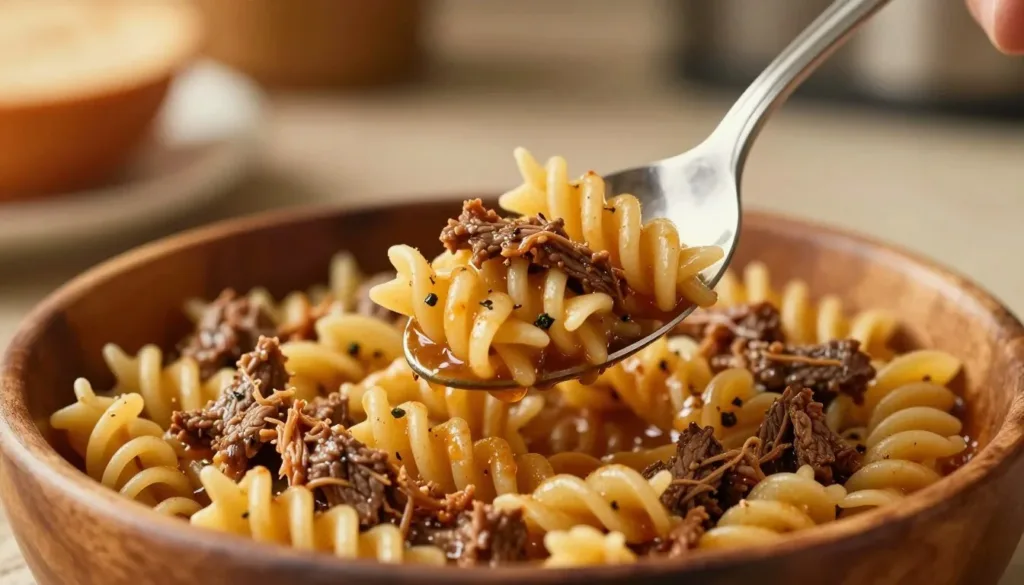
Most sticky one-pot pasta comes from leaving the noodles undisturbed as the liquid reduces. Regular stirring keeps pasta from clumping and helps the sauce stay even.
Keep the sauce a little looser than your preferred serving texture. Pasta continues to take up liquid after cooking, so a sauce that looks just right in the pot can turn stiff in the bowl.
Keep the Pasta Moving and the Sauce Loose
Use this quick checklist while the pasta simmers:
- Stir every couple of minutes early in the simmer.
- Stir more often near the end, as the sauce thickens.
- Scrape the bottom of the pot to loosen pasta before it sticks.
- Keep the sauce slightly loose, since pasta absorbs more as it rests.
Watch the sauce as well as the pasta. If it thickens too much, add a small splash of water or stock and stir. Add just enough to loosen the sauce, since too much can dull its flavor.
Choose and Brown the Beef Carefully
Ground beef at 90% or 95% lean is a useful choice for the featured recipe. It generally needs little draining, so more of the meat stays in the pot. Break the beef into small pieces as it browns for an even mix with the pasta.
Ground beef around 80% lean or fattier can add flavor, but it may leave excess grease. Check the pot after browning and drain the extra fat if needed. Do this before adding the remaining ingredients, so grease does not spread through the sauce.
A small sheen of fat is different from a pool at the bottom of the pot. Excess fat can make tomato sauce feel heavy and slick, even when the pasta is cooked well. Drain excess grease before adding stock or sauce if a pool of fat remains in the pot.
Store and Reheat Leftovers Safely
Refrigerate leftovers within 2 hours, and plan to eat the featured pasta within 3 days. Prompt chilling helps you keep extra portions safe for another meal.
Keep the leftovers refrigerated for no more than 3 days, and do not freeze this recipe. Cool and refrigerate portions promptly, rather than leaving the pot on the counter while you finish dinner.
Perishable food should not stay at room temperature for more than 2 hours. Divide a large amount into smaller containers so it can cool more quickly. Cover the containers before placing them in the refrigerator.
The pasta may thicken as it chills because the noodles keep taking up sauce. Add a splash of water when reheating in a microwave or pan, then stir so the moisture spreads through the pasta. Heat it until the center reaches 165°F.
For microwave reheating, cover the dish loosely and pause to stir during heating. In a pan, warm the pasta over low heat and add water in small amounts if needed. Add a splash of water while reheating if the sauce has thickened.
Serve It with Vegetables and Simple Sides
A green salad or a quick vegetable side turns a bowl of beef pasta into a more rounded dinner. One easy side is often enough when the pasta already includes beef and sauce.
Stir 2-3 handfuls of greens or broccoli into the sauce for an easy vegetable addition. Frozen peas or corn also work, and you can add 1 cup as the sauce finishes.
Greens soften as they warm through the sauce, while broccoli can keep more bite if you add it near the end. Frozen peas or corn need only time to heat through. Stir gently so the pasta stays intact.
For a fresh side, serve a green salad. Roasted green beans, peas, or broccoli fit well when you want a warm vegetable. Garlic bread, knots, or breadsticks make a simple option for soaking up extra sauce.
Choose a side that matches your available time. A salad can be ready while the pasta cooks, and frozen vegetables need little prep. Choose one side that can be prepared while the pasta simmers.
Conclusion
The creamy tomato one-pot version is a practical starting point when you want a filling pasta dinner with fewer dishes. It gives you a complete beef pasta recipe, while the swaps let you adjust the sauce and vegetables to suit your household.
You can keep the method simple or make a few changes based on what is in your kitchen. Check your pantry for the short pasta and tomato staples, then make the recipe tonight.
FAQ
Does beef go well with pasta?
What are some good pasta recipes?
How do I make cream cheese pasta sauce?
What are some quick and easy recipes using ground beef?
Is ground beef actually healthy?
Why do doctors say don’t eat red meat?
What Did You Think? Rate This Recipe
Absolutely Tender and Packed with Flavor!
I followed this guide step by step and the beef shank came out amazingly tender and full of flavor. The tips on maintaining moisture made all the difference. Highly recommended for anyone trying this cut for the first time!